



Your Body's Built-In Calming System
To understand how this works, we need to talk about the vagus nerve. Think of it as a major highway in your body's nervous system, connecting your brain to many vital organs, including your heart, lungs, and digestive tract. It's the main component of your parasympathetic
nervous system, which is often called the 'rest and digest' system. When you're feeling anxious or stressed, your 'fight or flight' (sympathetic) system takes over, increasing your heart rate and making you feel on edge. The vagus nerve does the opposite; when stimulated, it helps slow your heart rate, regulate your breathing, and signal to your body that it's safe to relax.
How Cold Water Triggers a Reset
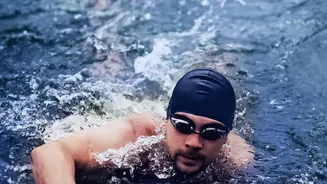
Submerging your face in cold water triggers a powerful, involuntary response known as the 'mammalian dive reflex'. This is a survival mechanism hardwired into our bodies. When your face, particularly the area around your nose and under your eyes, senses the cold water while you hold your breath, it sends a powerful signal to the vagus nerve. This activation immediately gets to work on counteracting the 'fight or flight' response. Your heart rate slows down, and blood flow is redirected to your essential organs like the brain and heart. This physiological shift effectively interrupts the anxiety cycle, forcing your body into a calmer state and giving your mind a chance to reset from the stressful moment.
A Step-by-Step Guide to Face Dipping
Ready to try it? The beauty of this technique is its simplicity. You don’t need any special equipment, and it only takes a minute. 1. Find a bowl or use your sink. Fill it with cold water. For a more intense effect, you can add a handful of ice cubes, but tap water that is sufficiently cold will also work. 2. Take a deep breath in and hold it. This part is important for triggering the dive reflex. 3. Lean over and submerge your face in the water. Make sure the water covers your temples, eyes, and upper cheeks. 4. Hold your face in the water for 15 to 30 seconds. You don't need a long time; even a short duration can be effective. Your body’s internal signals will tell you when it’s time to come up for air. 5. Lift your face out of the water and exhale slowly. Take a moment to notice how you feel. You may experience an immediate sense of calm and mental clarity as your heart rate settles.
More Than Just a Mental Cool-Down
While the primary benefit for anxiety is nervous system regulation, cold water face dipping has other noticeable, albeit temporary, effects. The cold causes blood vessels to constrict, which can help reduce facial puffiness, especially around the eyes. As your skin warms up again, blood flow increases, which can result in a temporary healthy, rosy glow. Many people find the sharp, cold sensation to be an invigorating way to start the day or a welcome pattern interrupt when feeling groggy or unfocused. However, it's important to see this as a cosmetic pick-me-up, not a long-term skin treatment. The effects on puffiness and pore appearance are transient.
Safety First: What to Consider
This technique is safe for most healthy individuals, but there are a few important considerations. The sudden shock of cold can be intense. If you have any pre-existing health conditions, especially cardiac issues like an arrhythmia, low blood pressure, or a history of fainting, it is crucial to speak with a doctor before trying this. The goal is to create a controlled, calming stressor, not a dangerous one. Additionally, people with sensitive skin or conditions like rosacea should be cautious, as extreme temperatures can sometimes cause irritation or broken capillaries. Never apply ice directly to your skin, as this can cause burns. Start with cool water before progressing to ice water, and always listen to your body.