
The Allure of the Lush
For years, wildlife enthusiasts believed the dry months were the only time for a safari, assuming monsoon meant closed parks and hidden animals. That thinking is changing. While many core zones of major national parks do close to protect the habitat,
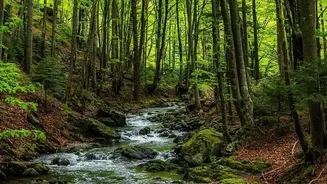
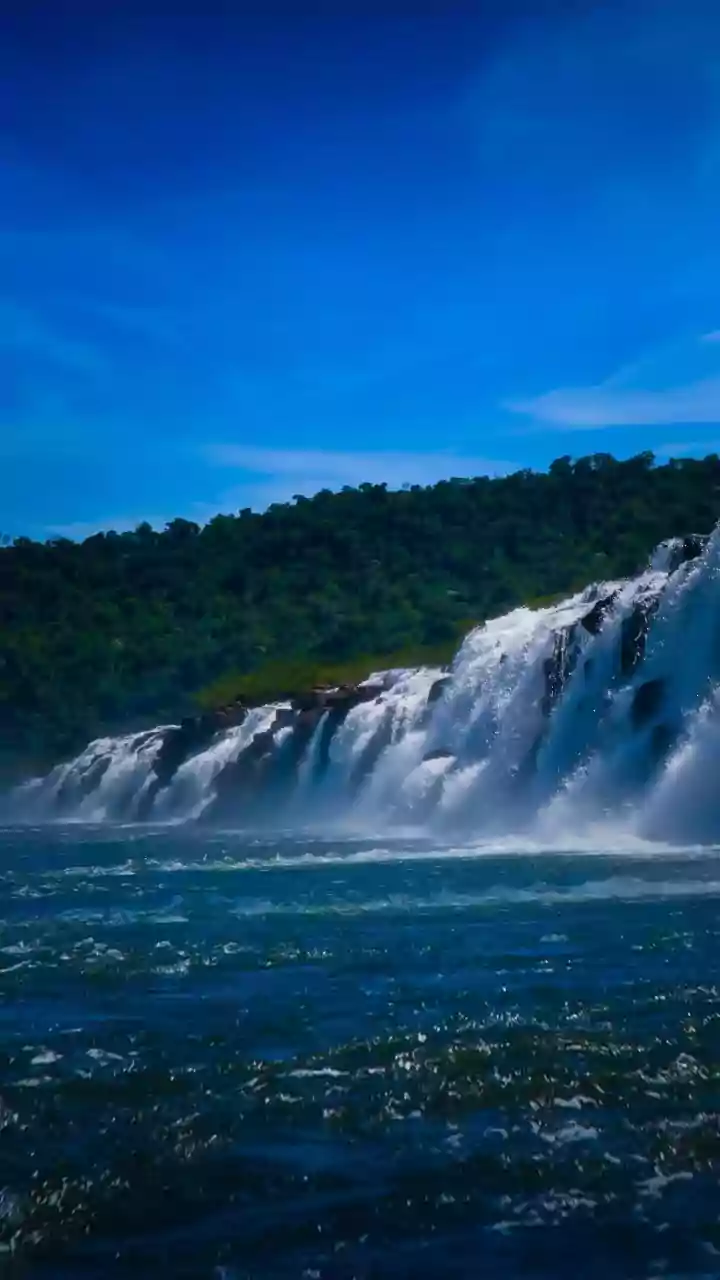
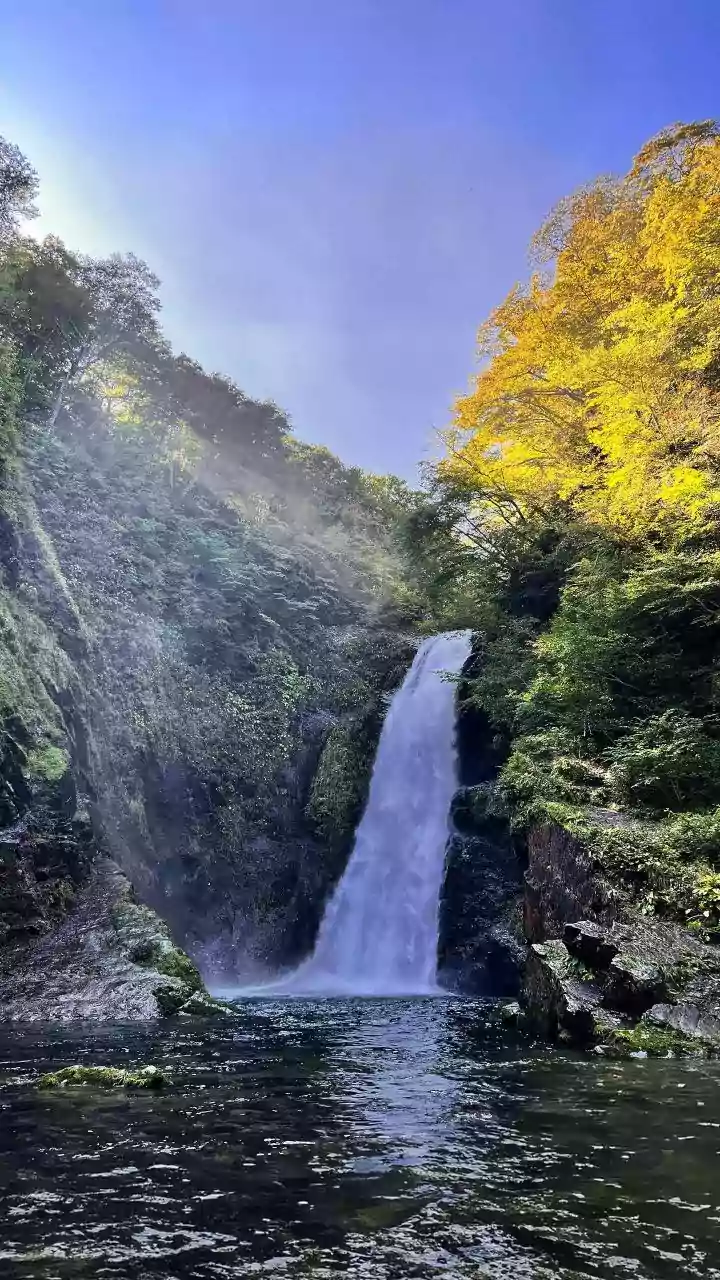
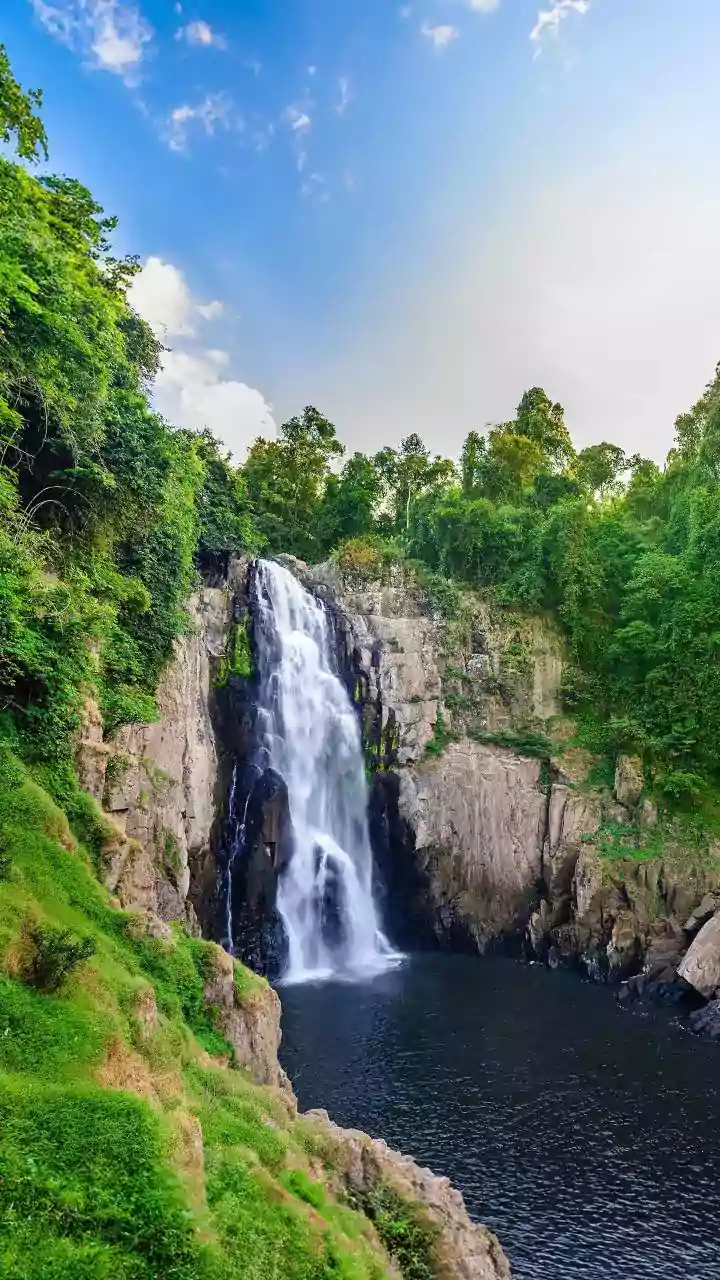
numerous buffer zones and specific sanctuaries remain open, offering a unique and rewarding experience. The monsoon breathes new life into the forests; parched grasslands become vibrant green carpets and dried-up streams start to flow again. This transformation creates a stunning backdrop for photography, with dramatic, overcast skies and foliage that makes animal coats pop with colour. Beyond the beauty, there are practical benefits: fewer crowds mean a more intimate and peaceful experience, and you can often find better deals on accommodation.
Dispelling the Monsoon Myths
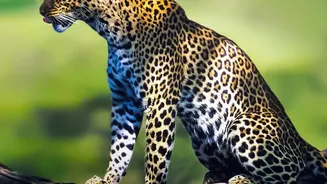
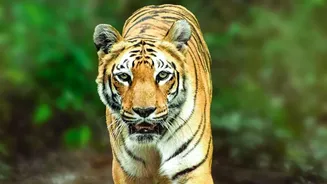
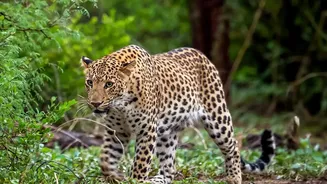
The primary concern for most travellers is whether they will see any wildlife. While dense vegetation can make spotting animals like tigers a bit more challenging, it's far from impossible. In fact, the rain alters animal behaviour in interesting ways. Tigers and leopards must patrol their territories more frequently as the rain washes away their scent markings. Additionally, the damp forest floor allows predators to move more silently. The idea that all parks are inaccessible is also a myth. Many popular reserves like Ranthambore, Jim Corbett, and Tadoba keep specific zones open year-round or during the monsoon. These areas are carefully selected for their accessibility and rich biodiversity, ensuring that a monsoon safari is both safe and exciting.
Kabini, Karnataka: A Year-Round Gem
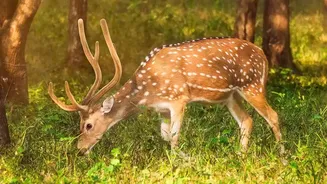
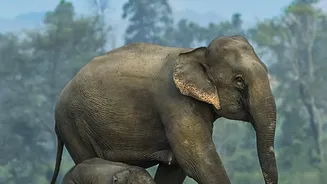
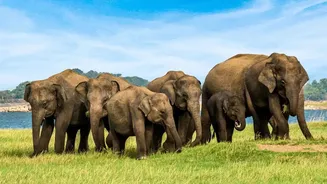
Part of the Nagarhole National Park, Kabini is a rare South Indian reserve that remains open throughout the monsoon and is arguably one of the best wildlife destinations during this season. The backwaters of the Kabini River swell with rainwater, attracting massive herds of elephants that come to drink and play. The lush landscape is a haven for herbivores like spotted deer and gaur, which in turn attract predators. Leopard and even tiger sightings are common along the river's edge. Boat safaris offer a unique perspective, allowing you to glide past the thriving ecosystem, while jeep safaris take you deep into the vibrant forest. The air smells of wet earth, and the forest feels intensely alive.
Ranthambore, Rajasthan: A Different Shade of Green
Known for its arid, rocky terrain and royal tigers, Ranthambore in Rajasthan transforms dramatically during the monsoon. While the core zones (1-5) are closed from July to September, the buffer zones (6-10) remain open for safari tours. These areas, which include several tiger territories, become dense and green, offering a startlingly different view of the landscape. The historic Ranthambore Fort, shrouded in mist, adds to the mystical atmosphere. Though tiger sightings might require more patience due to the thick foliage, the overall experience is more serene and scenic. You are likely to see plenty of other wildlife, including sambar deer, nilgai, and crocodiles basking by the rain-filled lakes.
Jim Corbett, Uttarakhand: The Himalayan Foothills
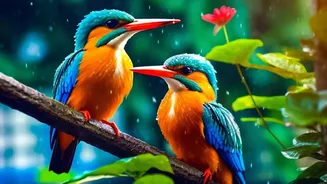
India's oldest national park also offers a fantastic monsoon experience. While the main zones like Dhikala and Bijrani close, the Jhirna and Dhela zones remain accessible for day safaris throughout the year, subject to weather conditions. Nestled in the foothills of the Himalayas, the park becomes exceptionally beautiful, with fresh leaves on the Sal trees and wildflowers blooming in clearings. These zones are known for consistent sightings of wild elephants, deer, and sloth bears. Birdwatching is particularly rewarding during this time, with water-loving species flocking to the newly filled streams and wetlands.
Periyar, Kerala: Safari by Boat
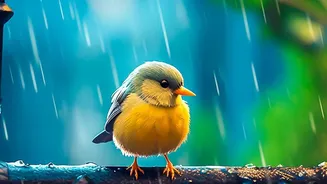
Located in the Western Ghats, Periyar National Park in Kerala is a perfect monsoon destination that remains open all year. The sanctuary is famous for its large elephant population and the unique experience of a boat safari on Periyar Lake. Gliding across the misty lake, you can often spot herds of elephants, Indian gaur, and sambar deer along the banks. While tigers are present, the dense forest makes them elusive. The experience here is less about chasing big cats and more about immersing yourself in the tranquil, rain-drenched ecosystem, which is also home to rare lion-tailed macaques and hundreds of bird species.
Tips for Your Monsoon Adventure
A monsoon safari requires a bit of extra preparation. Pack lightweight, quick-drying clothes and a reliable raincoat or poncho. Waterproof shoes with good grip are essential for navigating muddy trails. Protect your electronics, especially cameras, with waterproof bags or covers. Insect repellent is a must. While booking, confirm with your lodge or safari operator which zones are open and if there are any weather-related restrictions. Most importantly, embrace the unpredictability. A monsoon safari is as much about the atmosphere—the scent of rain on the earth, the vibrant greenery, and the sounds of the jungle—as it is about the sightings.