




A Return to Cherished Traditions
Across India, from the grand Onam Sadya in Kerala to community meals in the east, serving food on a banana leaf is a practice steeped in cultural significance. Historically, it symbolises purity, prosperity, and respect, with the leaf itself considered
a sacred offering in many Hindu rituals. This age-old tradition is finding renewed relevance today. As we grapple with the environmental impact of modern life, these humble leaves offer a powerful solution to the problem of waste generated during festivals. Choosing a banana leaf is not just a nostalgic gesture; it is a conscious decision to connect with our roots and adopt a practice that has been sustainable for centuries.
The Eco-Friendly Power of the Plate
When compared to disposable plastic or styrofoam plates, the banana leaf is an environmental champion. Plastic plates can take hundreds of years to break down, leaching harmful chemicals and creating microplastic pollution that contaminates soil and water. Banana leaves, on the other hand, are 100% biodegradable and compostable, returning to the earth within months and enriching the soil. They require no soap or excessive water for cleaning—just a simple rinse before use, which also helps conserve water. Furthermore, their production is entirely natural, eliminating the industrial processes and chemical coatings associated with paper plates, which contribute to deforestation and pollution.
More Than Just a Pretty Surface
The benefits of using banana leaves extend beyond their eco-credentials. The leaf has a natural, waxy coating that is waterproof, preventing curries and gravies from seeping through. When hot food is placed on the leaf, this wax melts slightly, releasing a subtle, earthy aroma that enhances the flavour of the meal. Banana leaves are also packed with natural antioxidants called polyphenols, similar to those found in green tea. Serving hot food on the leaf allows some of these beneficial compounds to be absorbed into the food, offering a small but natural health boost. Above all, it provides a hygienic, chemical-free surface for your meal, free from detergent residues that can linger on washed plates.
Sourcing From India’s Rich Bounty
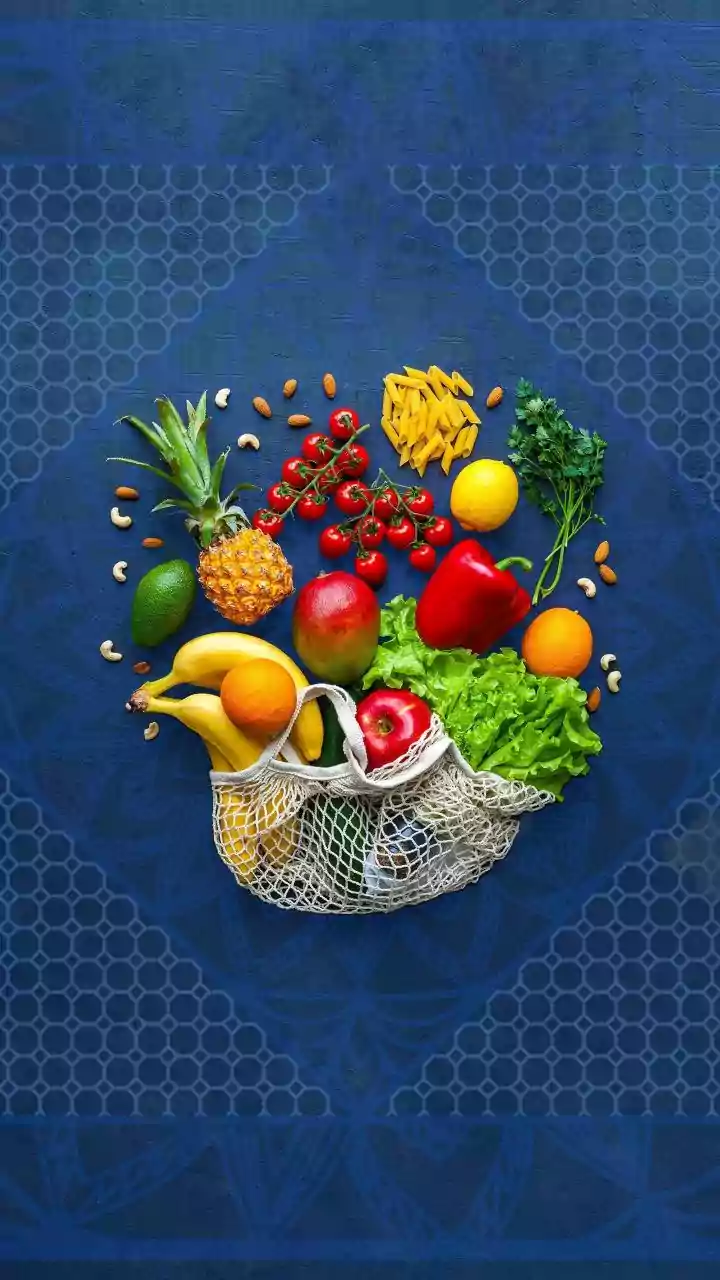
A truly sustainable feast celebrates local flavours. Sourcing produce from regional farmers has a ripple effect of positive change. It significantly reduces your meal's carbon footprint by cutting down on long-distance transportation. It also means you are supporting local economies and small-scale farmers who often use more sustainable agricultural practices. Choosing organic produce further reduces your exposure to synthetic pesticides and chemicals, which is better for your family's health and the environment. During festive seasons, markets are abundant with seasonal stars—think fresh coconut, pumpkins, gourds, yams, and a variety of leafy greens. Building your menu around these locally available ingredients ensures maximum freshness and flavour.
Crafting Your Sustainable Festive Menu
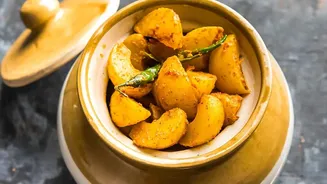
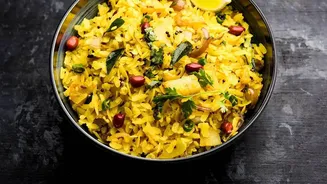
A banana leaf is large enough to hold a complete, multi-course meal, making it perfect for a festive spread. Plan a menu that highlights seasonal, regional produce. Consider a vibrant pumpkin erissery, a tangy raw banana curry, a simple stir-fry of local greens, and a comforting dal. Instead of commercially made sweets, try making traditional desserts like payasam or rice pudding with jaggery and freshly grated coconut. To complete the experience, use natural elements for decoration. Fresh flowers like marigolds, reusable cloth buntings from old sarees, and earthen diyas can create a beautiful, festive atmosphere without generating plastic waste. Encourage guests to eat with their hands, which further enhances the sensory experience of a traditional meal.