




Why Summer Heat Triggers Cramps
When you exercise in the heat, your body works hard to cool itself down, primarily through sweating. While this is a brilliant natural cooling system, it comes at a cost. Every drop of sweat carries away not just water but also vital minerals called electrolytes.
The two most critical electrolytes for muscle function are sodium and potassium. Higher temperatures and humidity accelerate this process, leading to significant fluid and electrolyte loss. This imbalance is a primary culprit behind those dreaded exercise-induced muscle cramps, where muscles involuntarily contract and cause sharp pain. Dehydration alone can impair muscle performance, but losing these key minerals disrupts the very electrical signals that control muscle contractions.
Coconut Water: Nature's Potassium Source
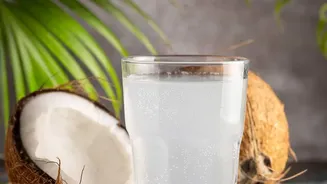
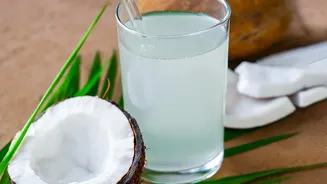
This is where coconut water enters the picture. Often touted as a natural sports drink, its main strength lies in its high potassium content. A single cup can provide a significant amount of this essential mineral. Potassium plays a crucial role in what's known as the sodium-potassium pump, a mechanism within your cells that is vital for nerve signaling and allows muscles to relax after contracting. When you're sweating heavily, you're losing potassium, and replenishing it is key to maintaining proper muscle function. Studies have shown that rehydrating with electrolyte-rich drinks like coconut water can make muscles less susceptible to cramps compared to plain water.
The Unsung Hero: Why You Need Salt
While coconut water is rich in potassium, it is naturally low in sodium—the primary electrolyte lost through sweat. Many people are conditioned to view salt as unhealthy, but for active individuals sweating in the heat, sodium is absolutely essential. Sodium is the mineral that initiates muscle contractions and helps the body retain water, maintaining fluid balance. When you sweat profusely and rehydrate only with plain water, you risk diluting your blood's sodium concentration, a potentially dangerous condition known as hyponatremia, which can cause symptoms from muscle cramps and nausea to more severe issues. Therefore, replacing lost sodium is not just about performance; it's about safety.
The Perfect Pre-Workout Partnership
Combining coconut water with salt creates a more complete electrolyte drink that mirrors what your body actually loses in sweat. The potassium from the coconut water and the sodium from the salt work together as a powerful team. This duo supports the entire muscle contraction and relaxation cycle, helping to ensure your muscles function smoothly. The sodium not only replaces what's lost in sweat but also helps your body absorb and retain the fluid and potassium from the coconut water more effectively. This synergistic effect provides a balanced approach to pre-workout hydration, arming your muscles with the key minerals they need to perform under the stress of summer heat.
Your Simple DIY Hydration Fix
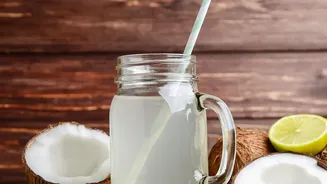
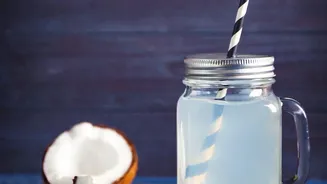
Creating this protective pre-workout drink is incredibly simple. You don't need expensive pre-mixed formulas. For a standard serving, take about 250-350 ml of pure, unsweetened coconut water and add a small pinch of high-quality salt, such as sea salt or pink Himalayan salt. This equates to roughly 1/8 of a teaspoon. Stir until the salt is fully dissolved. For best results, consume this drink about 30 to 60 minutes before you begin your outdoor workout. This gives your body enough time to absorb the fluids and electrolytes, ensuring they are readily available when your muscles need them most. It's a simple, natural, and effective way to prepare your body for the demands of summer exercise.