




Understanding 'Leggy' and Brittle Growth
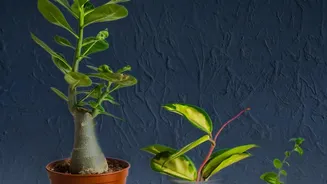
When a plant stem grows long, thin, and weak, it's often described as “leggy.” This process, known as etiolation, is the plant's desperate attempt to find more light. Stems stretch out, creating longer gaps between leaves, and the entire structure becomes
pale and fragile because it lacks the chlorophyll needed for photosynthesis. The primary cause is insufficient light, forcing the plant to pour all its energy into reaching for a brighter spot rather than building strong, supportive tissues. Other factors can contribute, including excessive heat, over-fertilizing with nitrogen, or even planting too densely, which creates competition for light. These leggy stems are not just an aesthetic issue; they are structurally weak and prone to bending or snapping, unable to support the weight of future leaves, flowers, or fruit.
Why Early Intervention is Crucial
Once a stem has become etiolated, that stretched-out growth is permanent. You cannot reverse the legginess that has already occurred. This is why preventative care and early support are so critical. By providing support before a plant needs it, you guide its growth habit from the very beginning. Acting early prevents the stems from flopping over, breaking under their own weight, or being damaged by wind and rain. Young, developing stems are flexible and can be easily trained. Waiting until a plant is mature and already falling over can lead to root damage when you try to insert a stake, and you risk snapping the brittle stems you are trying to save. Early action ensures the plant dedicates its energy to developing a robust frame, leading to a healthier and more productive life.
The Art of Pinching for Strength
One of the most effective ways to prevent leggy growth is a simple pruning technique called “pinching.” This involves removing the top-most growth tip of a young plant, just above a set of leaves. Removing this main growing point, or apical bud, redirects the plant's hormones and energy into the side buds located at the leaf nodes. Instead of one tall, potentially weak stem, the plant will produce two or more new branches, creating a much bushier and sturdier shape. This technique is perfect for many annual flowers like zinnias and cosmos, as well as herbs like basil and mint. The best time to pinch is when a plant is young and has a few sets of true leaves. You can use your fingertips for soft growth or a pair of clean snips for anything tougher. This small act encourages a fuller plant and often leads to more flowers and a longer blooming season.
Choosing the Right Physical Support
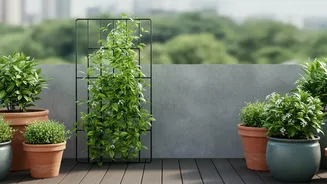
For plants that are naturally tall, vining, or produce heavy blooms, physical support is non-negotiable. The key is to install these supports early. Classic tomato cages are excellent for bushy plants like determinate tomatoes and top-heavy flowers like peonies. For single-stemmed giants like sunflowers or delphiniums, a simple stake made of bamboo, metal, or plastic inserted near the base of the plant works well. Use soft plant ties to loosely attach the stem to the stake, allowing room for it to grow. For climbing plants like peas, beans, and flowering vines, trellises, netting, or obelisks provide a structure for them to cling to. Grow-through grid supports are another great option for multi-stemmed perennials like daisies and asters; you place the grid over the young plant and allow it to grow up through the openings, providing inconspicuous support.
Light, Water, and Airflow for a Strong Foundation
While pinching and staking are direct interventions, a plant’s overall environment is the foundation of its strength. Ensure your plants receive the right amount of light for their species. If you see a plant stretching toward a window, it's a clear sign it needs more light. Rotate your indoor plants regularly to promote even growth on all sides. Proper watering is also key; soil that is too dry prevents the plant from absorbing nutrients needed for strong stems. Conversely, overwatering can lead to weak growth. Aim for deep, infrequent watering that encourages strong root development. Finally, good air circulation helps strengthen stems, and can even be simulated for indoor seedlings with a gentle fan to mimic a natural breeze.