


The Great Bitter Divide
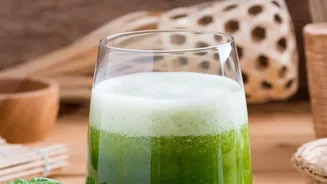
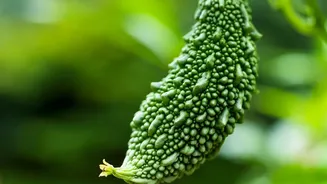
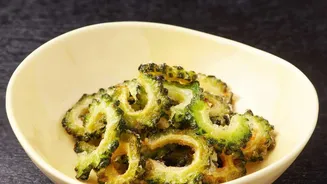
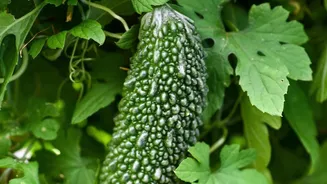
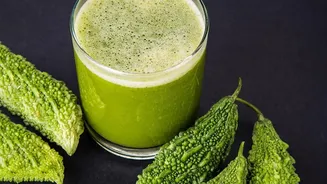
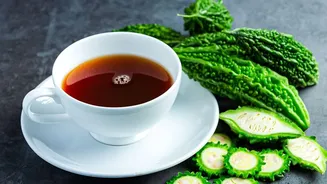
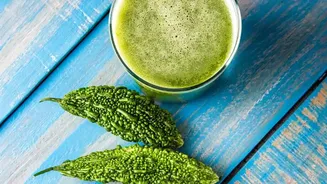
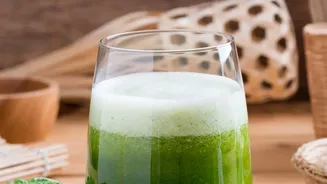
In the world of flavour, bitterness is a polarising topic. For some, it’s a mark of sophistication and depth, found in beloved items like strong coffee, dark leafy greens, bitter gourd (karela), and hoppy craft beers. For others, it’s an inherently unpleasant
taste to be avoided at all costs. This isn't just a matter of opinion; it's a biological reality. For millennia, a bitter taste often served as a natural warning sign, signalling the presence of toxins in plants. This evolutionary pressure hardwired a cautious response to bitterness into our brains. However, many nutritious and safe foods are also bitter, creating a fundamental tension between our ancient survival instincts and modern dietary needs. This divide in preference has long puzzled scientists, leading them to ask a crucial question: What makes one person's bitter-but-delicious another person's poison?
It's All in Your Genes
Recent scientific investigations, including large-scale genetic analyses, have provided a clear answer: our sensitivity to bitterness is largely genetic. Humans have about 25 different genes for bitter taste receptors. One gene, in particular, called TAS2R38, has been identified as a key player. Everyone inherits two copies of this gene, but they come in different versions, or variants. The two most common are a “taster” variant (PAV) and a “non-taster” variant (AVI). People with two copies of the taster PAV variant are often called “supertasters” and find certain compounds exceptionally bitter. Those with two copies of the non-taster AVI variant are much less sensitive. And individuals with one of each fall somewhere in the middle. This genetic lottery determines whether you perceive the compounds in foods like broccoli, kale, and cabbage as mildly earthy or overwhelmingly bitter.
How Genes Shape Your Plate
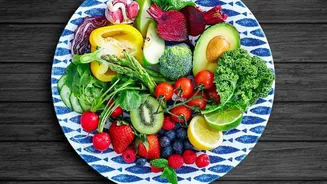
The major takeaway from large studies, some involving tens of thousands of participants, is that this genetic predisposition has a real-world impact on our diets. Research presented by the American Heart Association found that people with the “supertaster” gene variant were more than two and a half times as likely to eat fewer vegetables than their less-sensitive counterparts. Because many of the healthiest foods, especially cruciferous vegetables like broccoli and Brussels sprouts, contain these bitter compounds, supertasters may naturally avoid them. This aversion isn't just about vegetables. Studies show that bitter sensitivity can also predict lower liking for grapefruit and certain types of alcohol. Interestingly, the link with coffee and tea is more complex; some supertasters who are highly sensitive to one bitter compound in labs may still enjoy coffee, suggesting other factors are at play.
Beyond Taste: The Health Connection
If your genes make you less likely to eat vegetables, it stands to reason that it could have downstream health consequences. Indeed, some studies have linked bitter taste perception to health outcomes. Lower vegetable intake is a known risk factor for various chronic conditions. One recent analysis of large-scale genetic data also found novel, though still preliminary, links between the bitter-sensitive TAS2R38 gene and factors related to kidney function and even bipolar disorder, though more research is needed to understand these connections. Other research suggests that individuals with a high aversion to bitter flavours coupled with a high preference for sweets may have an increased risk for metabolic syndrome. However, the evidence isn't always consistent, and many factors beyond taste genetics contribute to overall health.
Can You Overcome Your Genes?
If you suspect you're a supertaster who shies away from greens, don't despair. Genetics are not destiny. While you may be predisposed to dislike bitterness, our preferences are also shaped by culture, exposure, and experience. Experts suggest several strategies to make bitter foods more palatable. Roasting vegetables like broccoli or Brussels sprouts can bring out their natural sweetness and change their texture. Pairing bitter greens with healthy fats like olive oil or a creamy dressing can also help mask the intensity. For children who are sensitive to bitterness, studies show that serving broccoli with a dip or sauce can dramatically increase their willingness to eat it. The key is repeated, positive exposure in different forms. Your palate can adapt over time, allowing you to enjoy the immense health benefits of these nutrient-packed foods.