

Embrace the Monsoon's Drama
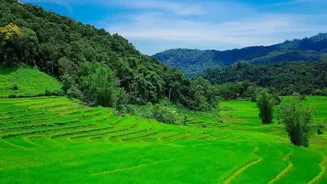
The period from June to September breathes new life into India's landscapes. The overcast skies act like a giant softbox, creating diffused, even lighting that eliminates harsh shadows and produces a soft, moody atmosphere perfect for photography. This
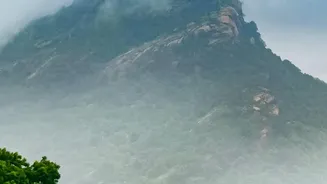
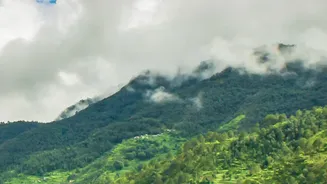
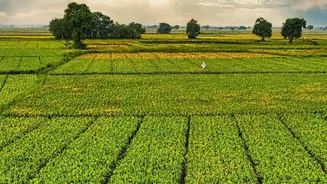
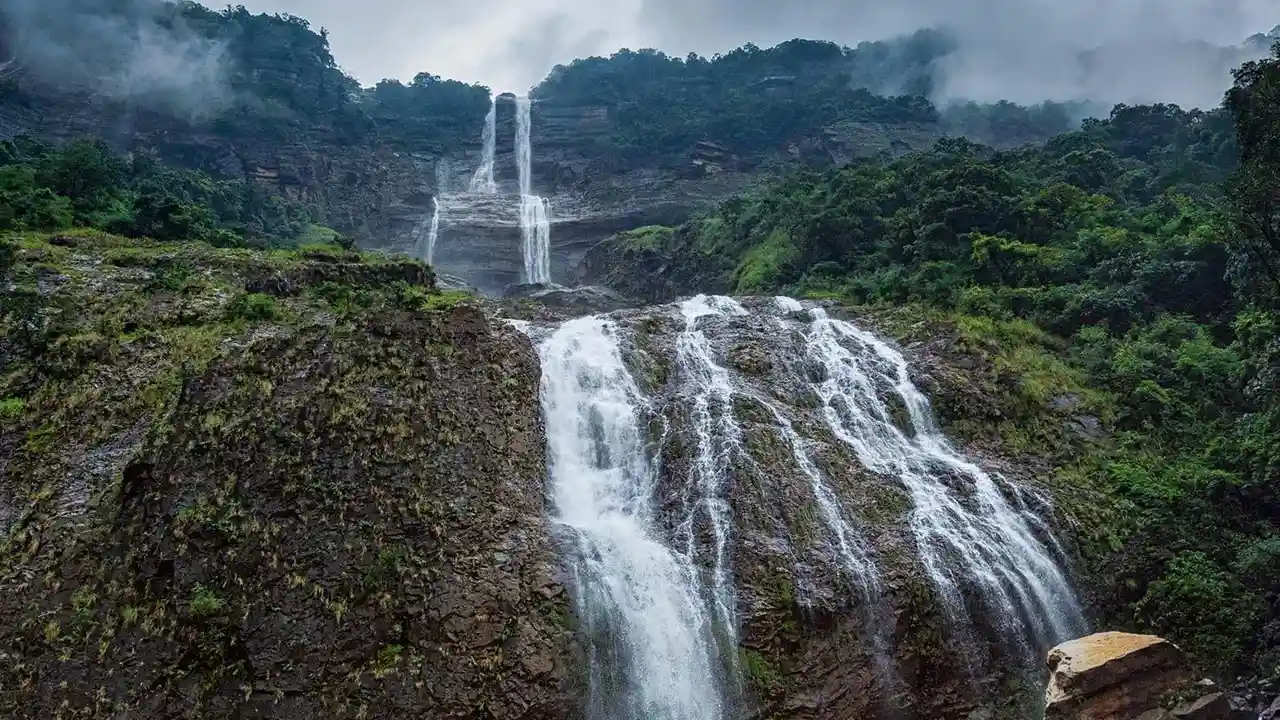
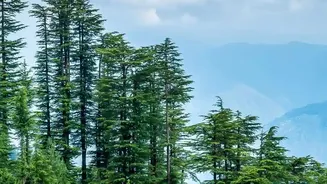
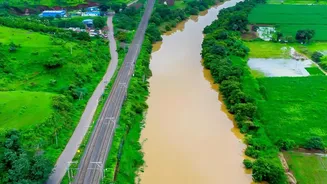
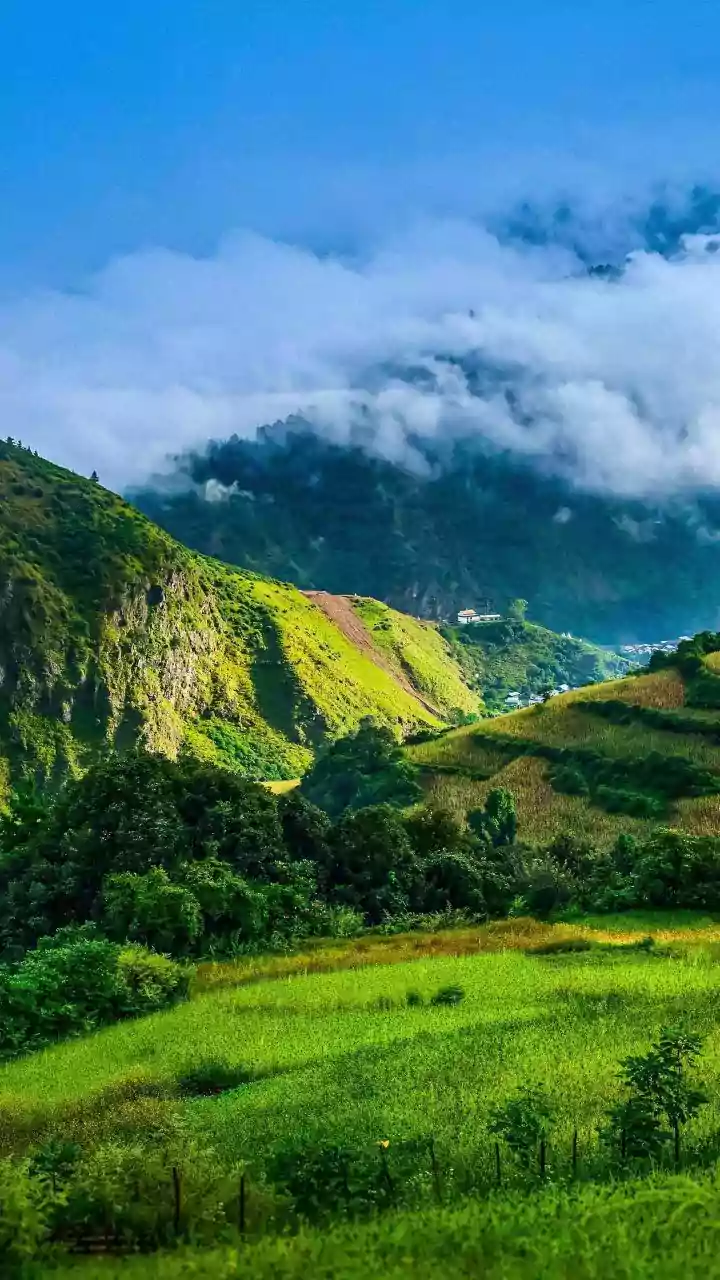
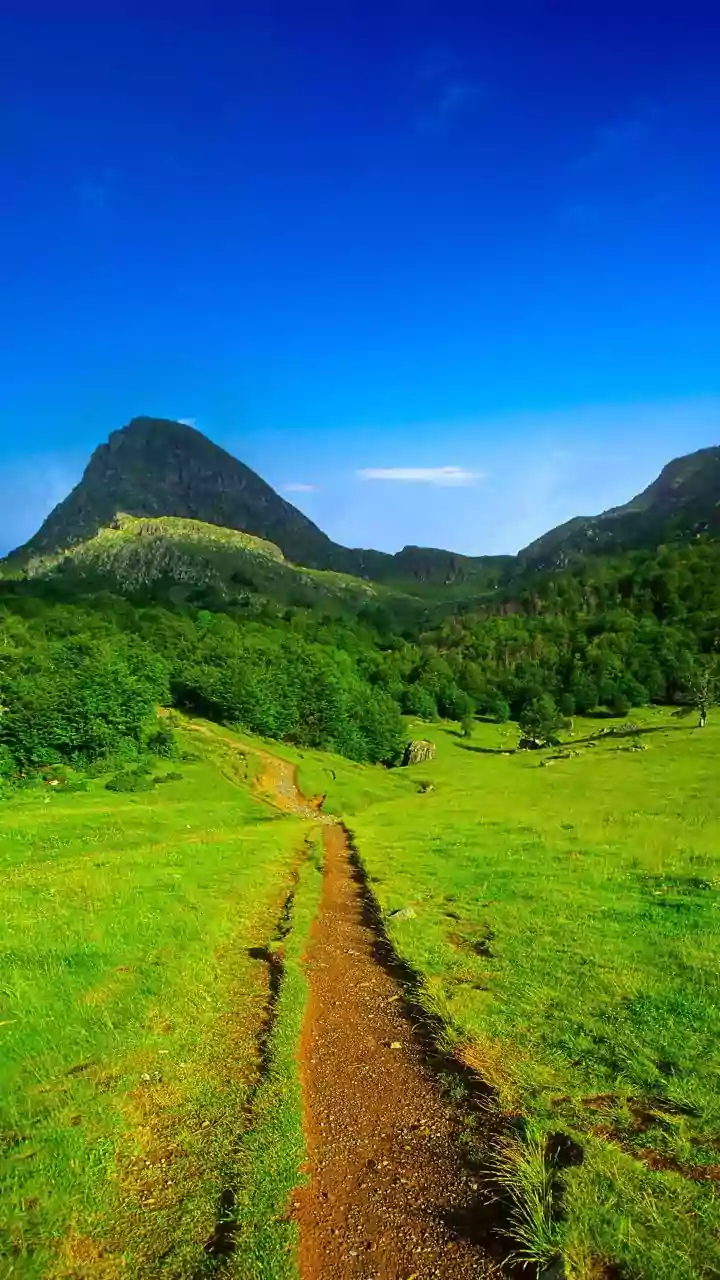
is when waterfalls are at their most powerful, hills are wrapped in mist, and the countryside turns a saturated green that doesn't exist in the dry months. The goal is to use the rain as part of the scene, capturing reflections on wet roads, raindrops on leaves, or fog moving across valleys. With fewer tourists at popular sites, you'll have more space and time to compose the perfect shot.
Choosing Your Monsoon Destination
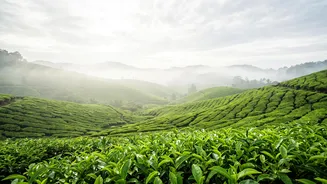
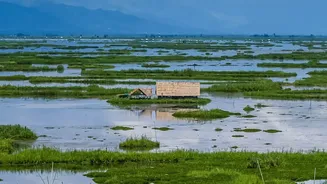
India’s vastness means the monsoon impacts regions differently. The Western Ghats are a classic choice, with destinations like Munnar in Kerala and Coorg in Karnataka offering misty tea and coffee plantations. Maharashtra’s Lonavala and Mahabaleshwar are popular for their accessible waterfalls and foggy valley views. For something truly dramatic, head to Meghalaya, the “abode of clouds,” where Cherrapunji and Mawsynram (among the wettest places on Earth) offer surreal landscapes and views of living root bridges. Even arid Rajasthan transforms, with Udaipur’s lakes shimmering under cloudy skies. The Valley of Flowers in Uttarakhand is another spectacular option, as it only blooms during the monsoon.
Essential Gear and Protection
Protecting your equipment is paramount. Even weather-sealed cameras are not fully waterproof, so a dedicated rain cover or even a simple plastic bag is essential. Use a lens hood to keep raindrops off the front element of your lens. Pack several microfibre cloths to wipe down your gear and a sturdy tripod for capturing waterfalls with slow shutter speeds on slippery ground. In your camera bag, place silica gel packs to absorb ambient humidity and prevent fungus from growing on your lenses. Finally, a waterproof backpack is non-negotiable to keep everything dry.
Packing Beyond the Camera Bag
Your personal comfort is just as important as your camera's safety. Pack lightweight, quick-drying synthetic clothing, as cotton stays wet for longer. A reliable waterproof jacket is a must. For footwear, choose anti-slip, waterproof shoes or boots to safely navigate wet and muddy trails. Leeches can be common in the Western Ghats and Meghalaya, so carrying a salt pouch or leech-repellent balm is wise. An insect repellent is also crucial, as the monsoon brings out mosquitoes. Don't forget a power bank, as power cuts can be more frequent during this season.
Photography Techniques and Safety
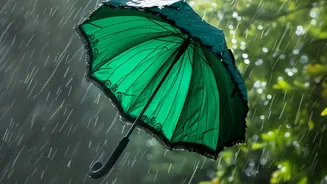
To capture the unique mood, experiment with your camera settings. Use a polarising filter to cut through the haze and enhance the vibrant greens of the foliage. For capturing silky waterfalls, use a slow shutter speed on a tripod. To freeze falling raindrops, a faster shutter speed of around 1/250s or higher is effective. Safety should always be your priority. Check weather forecasts diligently before heading out, as conditions can change rapidly. Be extremely cautious in hilly areas, as landslides are a real risk during heavy rains. Avoid swimming in the ocean, as currents are dangerously strong during the monsoon. Also, be mindful of food and water; stick to bottled water and hygienic restaurants to avoid waterborne illnesses.