



Think Up, Not Out: The Power of Vertical Space
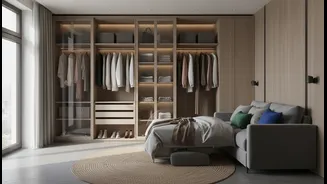
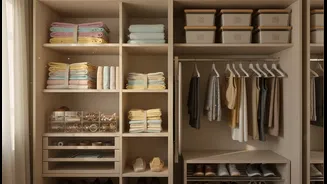
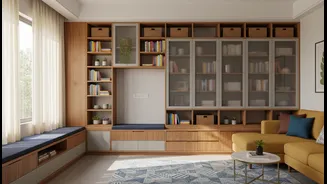
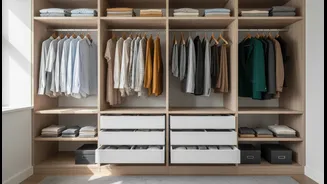
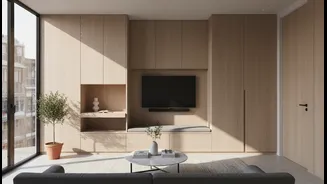
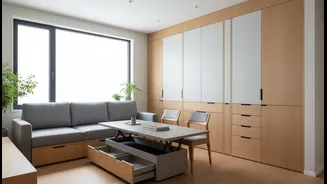
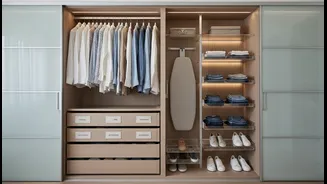
When floor space is a luxury, the walls are your greatest asset. Traditional furniture can eat up valuable room, making your flat feel cramped. The solution is to go vertical. Floor-to-ceiling wardrobes, for instance, utilise the often-wasted space near
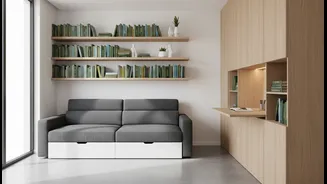
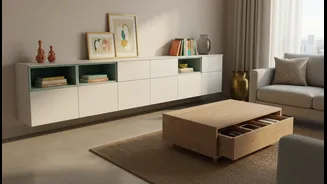
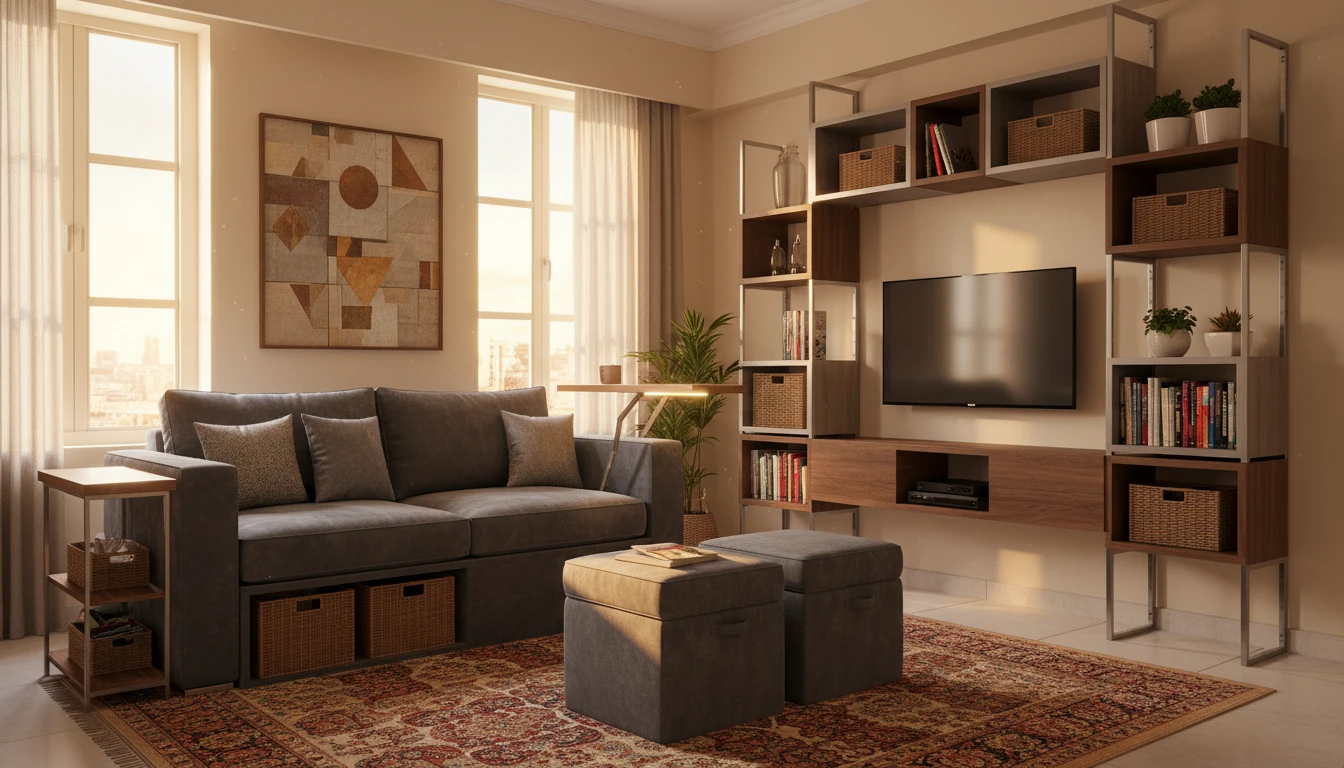
the ceiling, perfect for storing seasonal items or extra luggage. In the living room, floating shelves can hold books and decor without occupying the floor, drawing the eye upward and making the room feel taller. Even kitchens benefit; vertical racks for pots and spices can free up precious counter space, making daily cooking more efficient. This approach isn't just about adding shelves; it’s about fundamentally rethinking the volume of your home, not just its footprint.
The Double-Duty Champion: Multi-functional Furniture
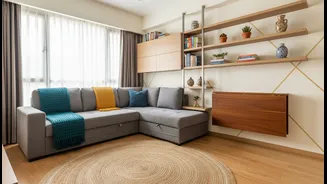
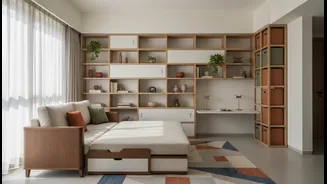
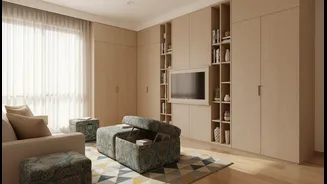
In a compact home, every piece of furniture should earn its keep, preferably by performing more than one function. This is where multi-purpose furniture becomes essential. A sofa-cum-bed is a classic example, serving as a comfortable seating area by day and a guest bed by night. Similarly, an ottoman with hidden storage can hide away magazines or children's toys while providing extra seating. For dining, consider tables that are foldable or extendable. These can be collapsed for daily use and expanded only when you have company, preventing a large dining set from permanently choking a room. Under-bed storage, especially with easy-to-use hydraulic lifts, can replace an entire cupboard, hiding away bedding and seasonal clothes.
Utilise Overlooked and Awkward Spaces
Every home has them: the awkward corner, the space above a door, or the narrow entryway. These dead zones are prime real estate for clever storage. Slim console tables can fit into narrow hallways, providing a surface for keys and mail without blocking the path. Floating corner shelves can turn an unused corner into a display area. Don't forget the backs of doors; over-the-door organisers are perfect for shoes in the bedroom or cleaning supplies in the utility area. In the kitchen, toe-kick drawers installed in the space under your lower cabinets can provide sneaky storage for flat items like baking trays. The goal is to see these ignored spaces as opportunities for organisation.
The Visual Tricks That Create Space
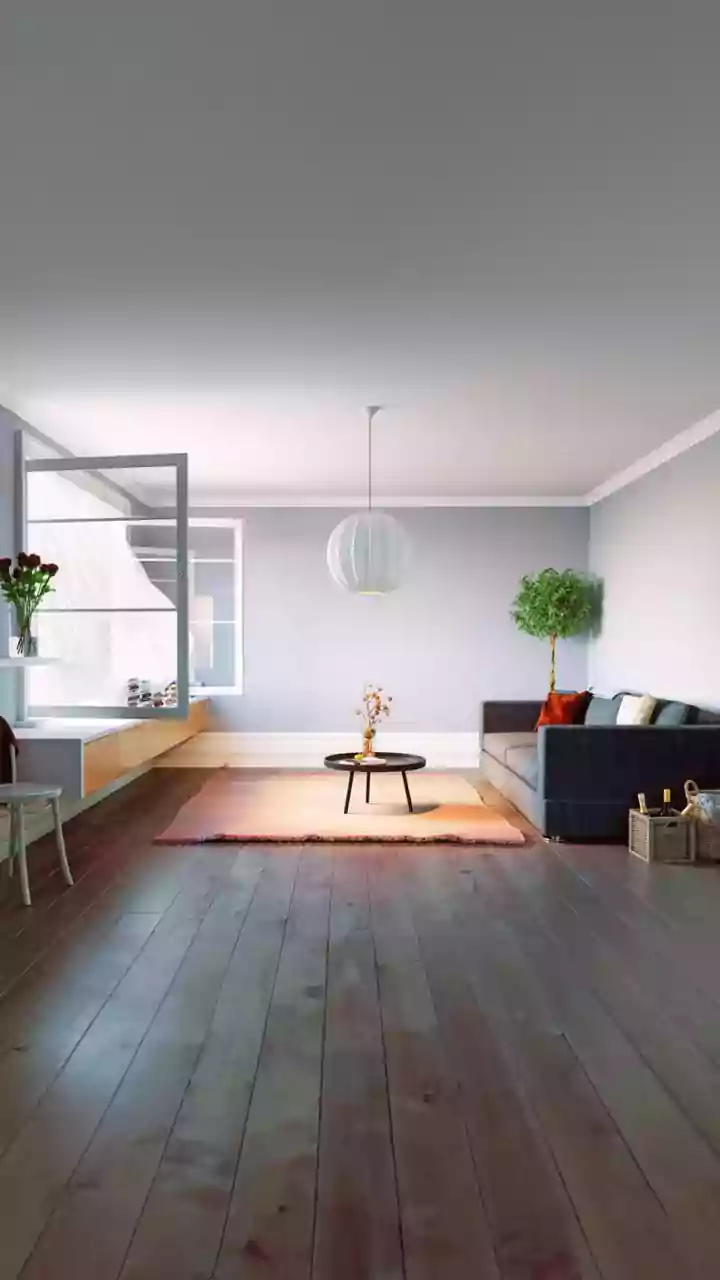
Making a flat feel bigger isn't just about physical storage; it's also about visual perception. Using a light and cohesive colour palette across the entire home can create a sense of flow and spaciousness. Dark colours tend to absorb light and make rooms feel smaller. Mirrors are a powerful tool; placing a large mirror opposite a window can double the amount of light in a room and create an illusion of depth. Opt for visually lightweight furniture—pieces with legs, like a sofa raised off the floor, or tables with glass tops allow you to see more of the floor, which makes the room feel more open.
Risks to Avoid: Common Storage Mistakes
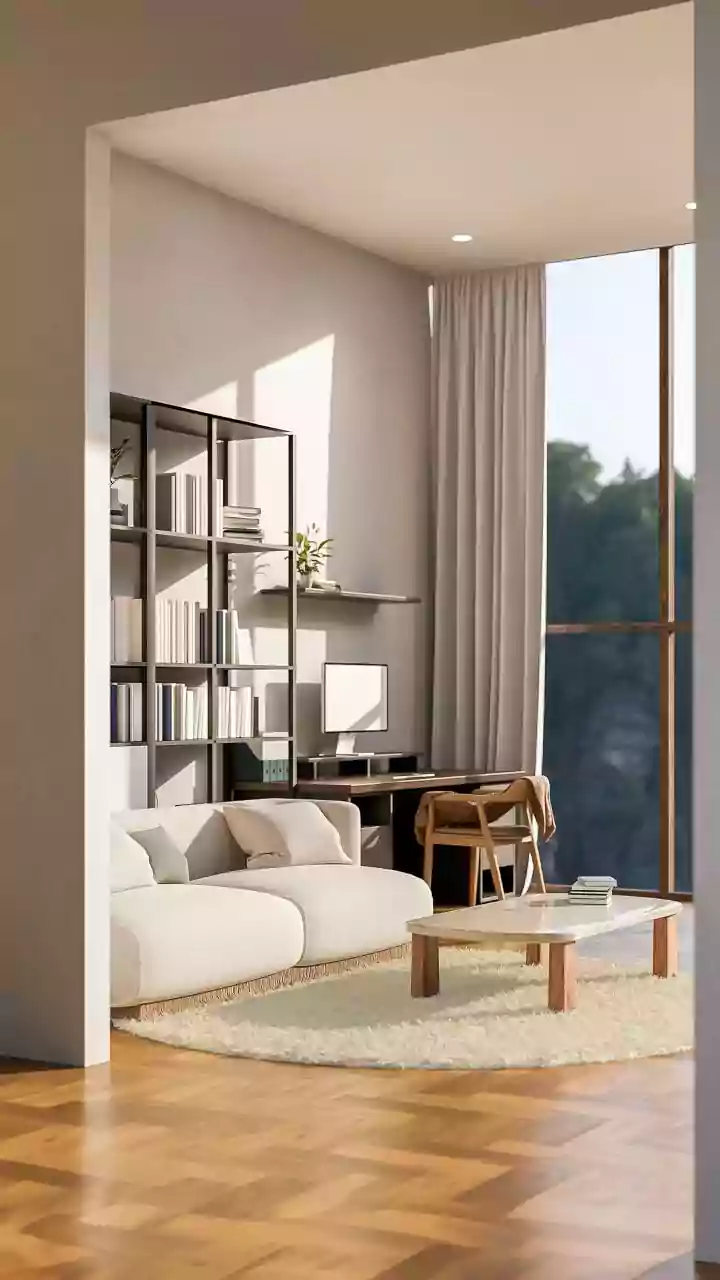
In the quest for storage, it’s easy to make mistakes that worsen the problem. A major pitfall is buying oversized furniture. A large, bulky sofa can dominate a small living room, making it feel crowded regardless of how much storage it has. Always measure your space before buying. Another risk is focusing only on aesthetics while ignoring practicality, leading to clutter down the line. Don't block natural light with heavy curtains or tall furniture placed in front of windows; a well-lit room always feels larger. Finally, avoid the temptation to fill every available space with a storage unit. Sometimes, the most important space-saving strategy is simply to declutter and allow for negative space, which gives a room breathing room.