




The Hidden Dangers of Monsoon Walks
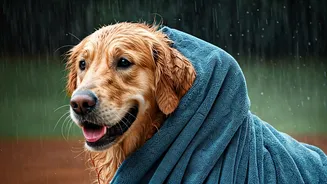
The joy of a walk can quickly fade when your dog's paws are constantly exposed to the hazards of the monsoon. Puddles and waterlogged streets are often a cocktail of mud, bacteria, and other contaminants. This prolonged exposure to moisture creates a perfect
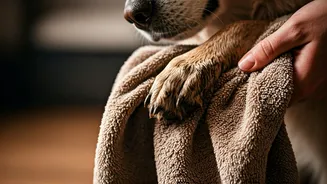
breeding ground for fungal and bacterial infections between their paw pads. Issues like 'acute moist dermatitis' or hotspots can develop rapidly in the high humidity. Constant licking due to irritation can break the skin, creating an entry point for more serious issues like leptospirosis, a bacterial disease that thrives in stagnant water. Beyond infections, wet surfaces are slippery, and hidden sharp objects in murky water can cause cuts and abrasions, making every step a potential risk.
Why Breathable Rubber is the Ideal Solution
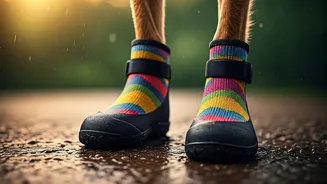
While keeping paws dry is key, the choice of material is crucial. Standard rubber boots, while waterproof, can trap sweat and moisture, sometimes making the problem worse by creating a damp, sweaty environment inside the boot. This is where breathable rubber walking boots come in. They are engineered to provide a waterproof barrier against external wetness while allowing perspiration and internal moisture to escape. This ensures the paws stay dry from both the rain and from sweat, significantly reducing the risk of the yeast and bacterial infections that flourish in damp, warm conditions. Furthermore, a good rubber sole offers superior traction on slick, wet pavements, preventing slips and falls.
Choosing the Perfect Pair of Boots
When selecting monsoon boots, focus on a few key features. Look for a pair with adjustable straps, which are essential for a snug but comfortable fit that prevents the boots from twisting or falling off. The sole should be flexible yet durable, with a textured grip to provide good traction on slippery surfaces. Ensure the material is explicitly described as both waterproof and breathable. Finally, prioritize a design that is easy to put on and take off; a wide, gusseted opening can make the process much less of a struggle for both you and your pet.
Getting the Fit Just Right
An ill-fitting boot can cause discomfort and may be rejected by your dog. The most reliable way to get the right size is to measure. Have your dog stand on a firm surface with their full weight on a piece of paper. Trace an outline around the paw, making sure to include the toenails. Then, measure the widest part of the outline for the width and the longest part for the length. It's a good idea to measure both a front and a back paw, as they can sometimes be different sizes. Compare these measurements to the manufacturer's size chart. If your dog is between sizes, it's generally best to choose the larger size for comfort.
Making Friends with New Boots
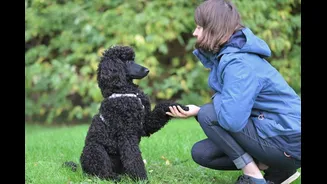
Most dogs will not take to wearing boots instantly. The key is a gradual and positive introduction. Start by letting your dog sniff and investigate the new boots. Reward any curiosity with praise and a treat. Once they are familiar, try putting on a single boot for just a few seconds, offering plenty of praise, then take it off. Gradually increase the duration and the number of boots, always associating the experience with positive rewards like treats or toys. Practice walking indoors for short periods before venturing outside for a short, fun walk. Patience and consistency are crucial; making the boots a normal and positive part of their routine will ensure they are accepted and worn without fuss.