



The Great Unlearning of Instant Coffee
The morning ritual is changing. For a generation that grew up on quick, frothy, and often chicory-heavy instant coffee, the recent shift towards artisanal brewing is nothing short of a cultural reset. Young, urban consumers, particularly Millennials and Gen
Z, are increasingly viewing coffee not just as a caffeine delivery system but as an experience. This pivot is driven by a desire for authenticity, higher quality, and a deeper connection to what they consume. It’s a move away from the commodity mindset of the first wave of coffee to the craft and precision of the third wave, where the story behind the cup matters as much as the taste. This new generation of coffee drinkers is curious about origin, processing methods, and flavour profiles, a level of engagement that instant coffee could never offer.
What is Single-Origin Anyway?
The terms “single-origin” and “estate roast” have become buzzwords, but they represent a simple, powerful idea: traceability. A single-origin coffee comes from a single known geographical location, often a single farm or a specific collection of beans from one country. An estate coffee narrows it down even further to one specific farm. Unlike blends, which combine beans from various places to create a consistent but generic flavour, single-origin coffees reflect the unique character of their environment—the soil, altitude, and climate, collectively known as terroir. For decades, India exported its best beans while the domestic market was served instant options. Now, direct-to-consumer (D2C) brands are making these high-quality, estate-specific beans available within India, allowing drinkers to taste the distinct notes of a particular harvest.
The Southern Coffee Cradle
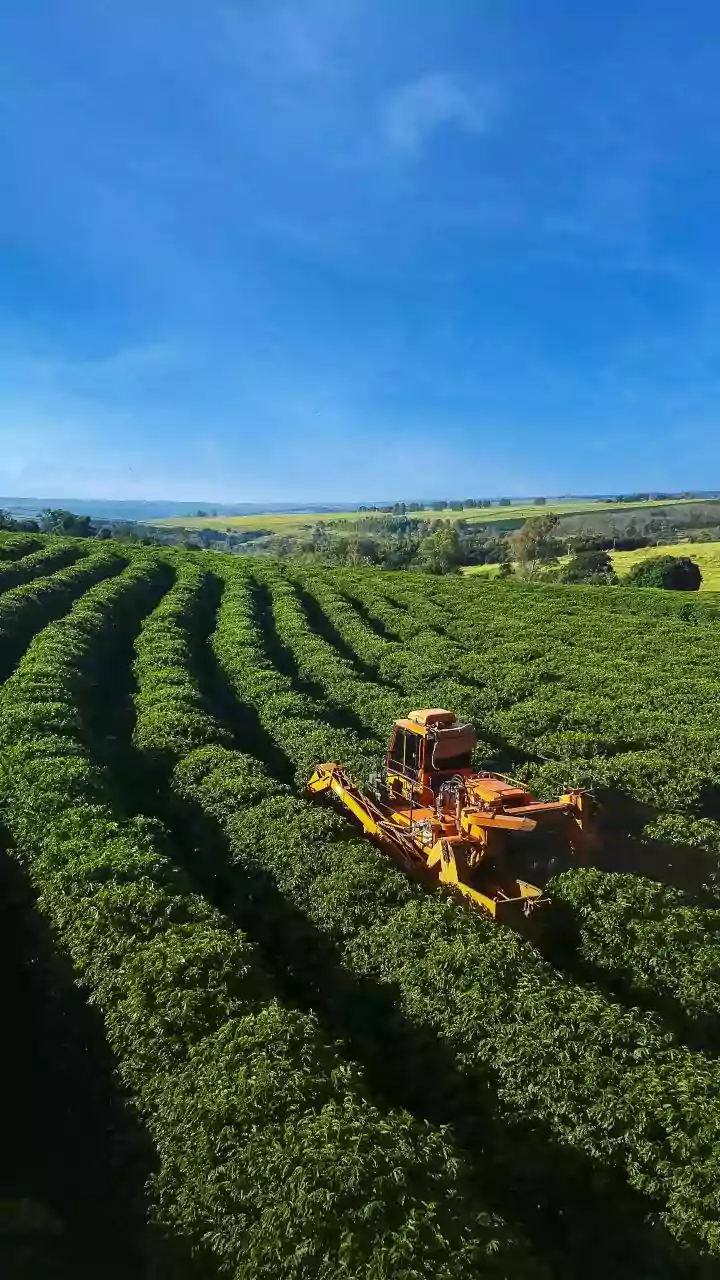
The heart of this coffee renaissance lies in the traditional growing regions of South India. Almost all Indian coffee is shade-grown, often alongside spices like pepper and cardamom, which imparts a unique complexity to the beans. Karnataka is the epicenter, home to Chikmagalur, the birthplace of Indian coffee, and Coorg (Kodagu), the country's largest coffee-producing district. Chikmagalur’s high-altitude Arabica is known for its mild, aromatic profile with bright acidity, while Coorg produces full-bodied coffees with nutty and chocolatey notes. Other key areas include the Araku Valley in Andhra Pradesh, where tribal cooperatives grow some of India's most awarded organic Arabica, and the Wayanad region of Kerala, known for its bold Robusta. These regions offer a diverse flavour map for curious drinkers to explore.
A Conscious Choice in a Cup
This movement is about more than just taste; it’s a reflection of changing values. Young consumers are increasingly making conscious choices, prioritizing sustainability, ethical sourcing, and supporting local economies. They want to know the story of their coffee, from the farmer who grew the beans to the roaster who perfected the profile. D2C brands have been instrumental in this, using technology and social media to bridge the gap between producer and consumer. By highlighting the specific estates, printing roast dates on packages, and educating customers on brewing methods, these companies are fostering a more informed and appreciative coffee culture. This has turned coffee consumption into a statement of personal values, celebrating Indian heritage and craftsmanship.