




Serving Size vs. Portion Size
First, let's clear up a common misunderstanding. A 'serving size' is a standardised measurement decided by food manufacturers, following guidelines from regulatory bodies like the Food Safety and Standards Authority of India (FSSAI). It is the amount
for which all nutritional information, like calories and fat, is listed on the label. A 'portion size', however, is the amount of food you actually choose to eat at one time. The two are rarely the same, and that's where the problem begins. The serving size on a package is not a recommendation for how much you should eat; it is simply a reference amount. Many people mistakenly believe the listed serving is a healthy portion, leading to overconsumption.
The Distortion on the Label
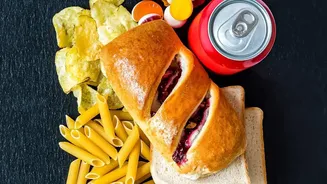
The core of the issue is what experts call 'portion distortion'. This is the phenomenon where our perception of a normal amount of food has become skewed, partly due to marketing and packaging. Manufacturers often use unrealistically small serving sizes to make the nutritional values on the front of the package seem more appealing. For instance, a small 200ml bottle of a popular soft drink or juice is often listed as containing two servings. A medium-sized bag of chips might contain three or four servings. Because the package itself seems like a single portion, most of us will consume the entire thing, unknowingly eating two or three times the calories, sugar, and fat listed 'per serving'. This tactic, sometimes called 'health framing', makes a product appear healthier than it is when consumed in realistic quantities.
The Psychology of Miscalculation
Food companies understand consumer psychology. When you glance at a label and see '150 calories', your brain registers that number. You are less likely to perform the mental maths required to notice that the package contains 2.5 servings, and your actual intake will be 375 calories. This creates a 'health halo' effect, where the low per-serving number gives us a false sense of security, making us feel better about eating the entire package. Studies have shown that even health-conscious consumers fall into this trap, paying attention to the calorie count but failing to check the crucial 'servings per container' line. We are wired to follow the cues of the package size in front of us rather than our own feelings of hunger or fullness.
How to Read Indian Labels Correctly
In India, FSSAI regulations mandate that nutritional information must be provided. You will typically see information listed 'per 100g' or 'per 100ml', and often an additional column for 'per serving'. The 'per 100g' column is your best tool for making comparisons. It allows you to compare two different brands of biscuits or snacks on a level playing field, regardless of their manipulated serving sizes. Always check the 'servings per container' first. If you plan to eat the whole package, you must multiply the 'per serving' calories, sugar, and fat by the number of servings. Another crucial tip is to check the ingredients list. Ingredients are listed in descending order by weight, so if sugar, salt, or maida (refined flour) are in the top three, you know what the product is truly made of, no matter what the front of the pack claims.
Practical Tips to Take Control
Becoming aware of serving size distortion is the first step. To put this knowledge into action, start by being skeptical of any single-looking package. Always flip it over and do the 'serving size check'. At home, try a simple experiment for one week: use measuring cups to see what an actual serving of your favourite cereal, rice, or dal looks like. You will likely be surprised at how small a standard serving is. This isn't about restricting yourself forever, but about retraining your eyes to recognise a realistic portion. Use smaller plates and bowls. Research shows that the size of our tableware has grown over the years, which subconsciously encourages us to serve and eat more. Using a smaller plate can help you naturally control portions without feeling deprived.