



The Rise of the Micro-Kitchen
First, let's break down the term. You’ve likely heard of 'cloud kitchens' — delivery-only restaurants without a physical storefront. Now, think smaller. A micro-cloud kitchen is often a one-person or small family operation, sometimes run directly out of a home
kitchen. These ventures thrive on a low-investment model, swapping expensive high-street rent and front-of-house staff for a focus on a specific, niche cuisine. By leveraging social media and delivery apps, they can reach a city of hungry customers without the massive overheads of a traditional restaurant, making them agile, personal, and perfectly suited for passion projects.
A Growing Hunger for Authenticity
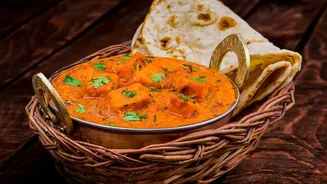
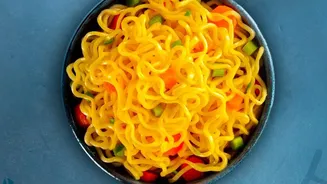
In major Indian cities, the discerning diner is experiencing palate fatigue. The endless scroll through identical menus of butter chicken, Hakka noodles, and generic pizzas has sparked a craving for something real and different. There's a growing movement towards exploring the vast, diverse tapestry of Indian food that exists beyond the standard restaurant fare. This isn't just about regional cuisine, but a deeper dive into hyper-local, community-specific, and indigenous recipes that have been passed down through generations but rarely commercialised. This quest is driven by a desire for novelty, a connection to heritage, and an appreciation for ingredients and cooking methods that tell a story.
A Perfect Culinary Partnership
This is where the two trends beautifully converge. Micro-cloud kitchens are the perfect vehicle for bringing unexplored indigenous food to the urban masses. An entrepreneur wanting to sell, for example, the specific cuisine of a tribe from Odisha would struggle to fill a 50-seater restaurant. The market is too niche. But a delivery-only model allows them to test the waters, build a dedicated following, and operate sustainably by catering to a smaller, more spread-out customer base. The low financial risk empowers chefs and home cooks to be bold and authentic, sticking to traditional recipes without pressure to 'mainstream' their flavours for a wider, less adventurous audience.
From Ancestral Kitchens to Your Doorstep
Across India's metros, this phenomenon is already taking shape. A home chef in Delhi might be delivering slow-cooked bamboo mutton, a delicacy from Odisha, from their cloud kitchen. In Mumbai, a small operation could be introducing customers to the fermented chutneys and smoked meats of Nagaland. In Bengaluru, a family might be popularising the unique millet-based dishes of their Koya tribal heritage from Andhra Pradesh. These micro-entrepreneurs are not just selling food; they are acting as cultural ambassadors, preserving culinary traditions that are often undocumented and at risk of being lost. For many, it's a way to connect their community with the outside world.
More Than Just a Meal
For the city diner, ordering from these kitchens is an act of discovery. It’s a chance to taste a piece of India they may have never known, to learn the story behind a dish, and to support a small, passion-driven business. Each meal is a direct connection to a person, a family, and a culture. It transforms the transactional nature of food delivery into a cultural exchange. This model creates a powerful win-win situation: it enriches the urban food landscape with incredible diversity while providing a viable platform for indigenous and regional home chefs to achieve financial independence and preserve their heritage.