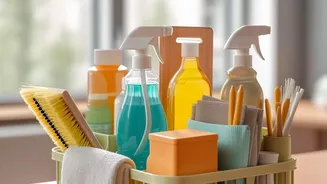







We clean our homes to keep our families healthy, but what if the products we use are doing the opposite? As winter approaches and windows stay shut, a growing body of research shows our indoor air could be at risk.
The Hidden Pollutants in Cleaning Products
Many common household cleaners, disinfectants,
and even air fresheners contain volatile organic compounds (VOCs). These are chemicals that easily turn into gas at room temperature, releasing into the air we breathe. According to the U.S. Environmental Protection Agency (EPA), concentrations of VOCs are consistently two to five times higher indoors than outdoors, regardless of whether a home is in a rural or highly industrial area. Chemicals like formaldehyde, benzene, terpenes, and glycol ethers are used to dissolve grease, create pleasant fragrances, or kill germs. However, once airborne, they contribute significantly to indoor air pollution.
Why Winter Makes Indoor Air Quality Worse
The core of the problem during winter is ventilation—or the lack thereof. When we seal our homes to keep the cold out, we also trap pollutants in. Without a steady flow of fresh air, the VOCs released from cleaning activities can't disperse. Instead, they build up, lingering in the air for hours or even days after you've put the cleaning supplies away. This creates a concentrated chemical cocktail inside our living spaces. Activities as simple as spraying a countertop, mopping a floor, or using a plug-in air freshener continuously release these compounds into a closed environment, leading to higher exposure for everyone in the household.
Health Risks of Chemical Buildup
Exposure to high levels of VOCs can lead to a range of health issues. Short-term effects often include headaches, dizziness, nausea, and irritation of the eyes, nose, and throat. For individuals with asthma or other respiratory conditions, these chemicals can act as triggers, worsening their symptoms. Long-term and repeated exposure is even more concerning. Studies have linked chronic exposure to some VOCs with an increased risk of respiratory damage, nervous system issues, and even certain types of cancer. A 20-year study found that women who cleaned regularly with conventional sprays experienced a decline in lung function comparable to smoking 20 cigarettes a day over the same period.
Decoding Labels and Fragrances
One of the challenges for consumers is that product labels often don't tell the whole story. Companies are not always required to list every ingredient. However, clean does not have a scent. The strong 'pine' or 'lemon' smell we associate with a clean home is often a complex mixture of fragrance chemicals, which are themselves a major source of VOCs. Even products marketed as 'natural' can emit these compounds. A safer bet is to look for products certified by independent programs or explicitly labelled as 'fragrance-free'. Also, pay attention to warning labels. Words like 'Danger' or 'Poison' indicate high toxicity.
Simple Steps to Clear the Air
The good news is that you can significantly improve your home's air quality with a few simple changes. The most powerful tool is ventilation. Even on a cold day, opening windows for just a few minutes can help flush out pollutants. Try to clean during the day when you can let fresh air in, and use exhaust fans in kitchens and bathrooms. You can also switch to simpler cleaning solutions. A paste of baking soda and water works wonders on many surfaces, while a solution of white vinegar and water is an effective all-purpose cleaner and natural disinfectant. Using microfiber cloths with just water can also handle many cleaning tasks effectively.
Smarter Cleaning Habits for a Healthier Home
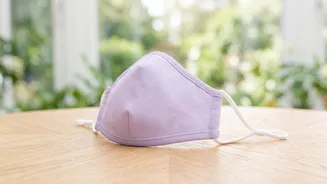
Beyond changing products, adopting smarter habits can make a big difference. Never mix cleaning products, especially bleach and ammonia, as they can create toxic gases. When you must use a stronger chemical cleaner, follow the directions carefully, use the minimum amount necessary, and wear gloves or even a mask. Consider investing in an air purifier with a HEPA and activated carbon filter, which can help capture both particles and gaseous VOCs. Ultimately, being mindful of what you bring into your home and how you use it is the key to maintaining a space that is both clean and truly healthy.