


India's Next Interplanetary Leap
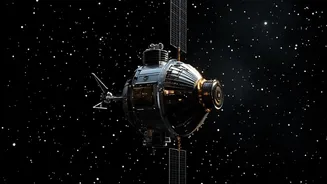
Shukrayaan, meaning 'Venus Craft' in Sanskrit, is the informal name for the Indian Space Research Organisation's (ISRO) first dedicated mission to Venus. Following the celebrated successes of Chandrayaan and Mangalyaan, this ambitious project marks India's
next major step in planetary exploration. The mission, officially called the Venus Orbiter Mission (VOM), received formal government approval in September 2024. It aims to place a spacecraft in a long-term orbit around Venus to study its surface, subsurface, and incredibly dense atmosphere for more than four years. This continues ISRO's legacy of undertaking complex, high-value science missions with remarkable cost-effectiveness, further cementing India's status as a major player in the global space community.
Why Study Earth's 'Evil Twin'?
Venus is often called Earth's twin due to its similar size, mass, and composition. Yet, it is the most hostile planet in our solar system. Its surface is scorched by temperatures exceeding 460°C, hot enough to melt lead, and crushed by an atmospheric pressure 90 times greater than Earth's. The planet is perpetually shrouded in thick clouds of sulfuric acid, which hide its surface and create a runaway greenhouse effect. Scientists are deeply intrigued by how two such similar planets could have evolved so differently. Understanding the processes that transformed Venus into this inferno could provide critical insights into Earth's own climate evolution and the conditions that make a planet habitable, serving as a cautionary tale for our own world.
Peering Beneath the Acid Clouds
One of the biggest challenges in exploring Venus is its opaque cloud cover. To overcome this, Shukrayaan will be equipped with a suite of sophisticated instruments. The flagship payload is a high-resolution Synthetic Aperture Radar (SAR), a powerful tool that can pierce through the dense clouds to map the planet's volcanic landscapes and geological features. This radar will offer a resolution up to four times better than NASA's Magellan orbiter from the 1990s. Even more revolutionary is the inclusion of a ground-penetrating radar, which would be the first of its kind used at Venus. This instrument will allow scientists to investigate the shallow subsurface, providing the first-ever look at the planet's stratigraphy—the layering of rock and soil beneath the surface.
A Suite of Advanced Scientific Tools
Beyond radar, the orbiter will carry a diverse payload to conduct a comprehensive chemical study of the atmosphere. Instruments like a thermal camera, cloud monitoring tools, and a lightning sensor will analyse the dynamic weather systems within the Venusian clouds. Spectrometers operating in infrared and ultraviolet wavelengths will study the composition of the atmosphere, looking for trace gases and understanding chemical processes. The mission also involves significant international collaboration. A Swedish-Indian instrument, the Venusian Neutrals Analyzer, will study how the solar wind interacts with the planet's ionosphere. France and Russia are contributing an instrument called VIRAL (Venus Infrared Atmospheric Gases Linker) to further analyse atmospheric chemistry.
Mission Timeline and Future Goals
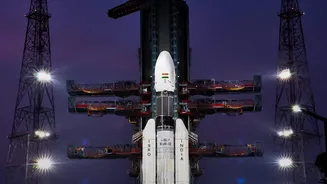
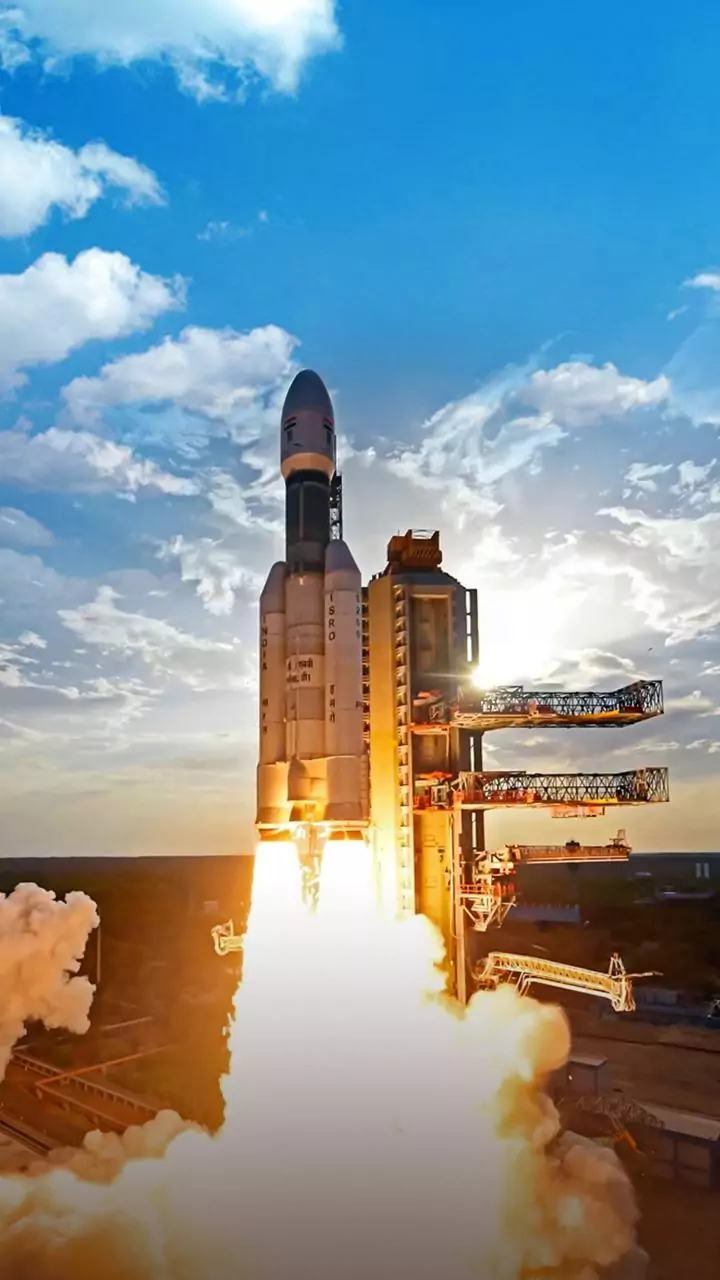
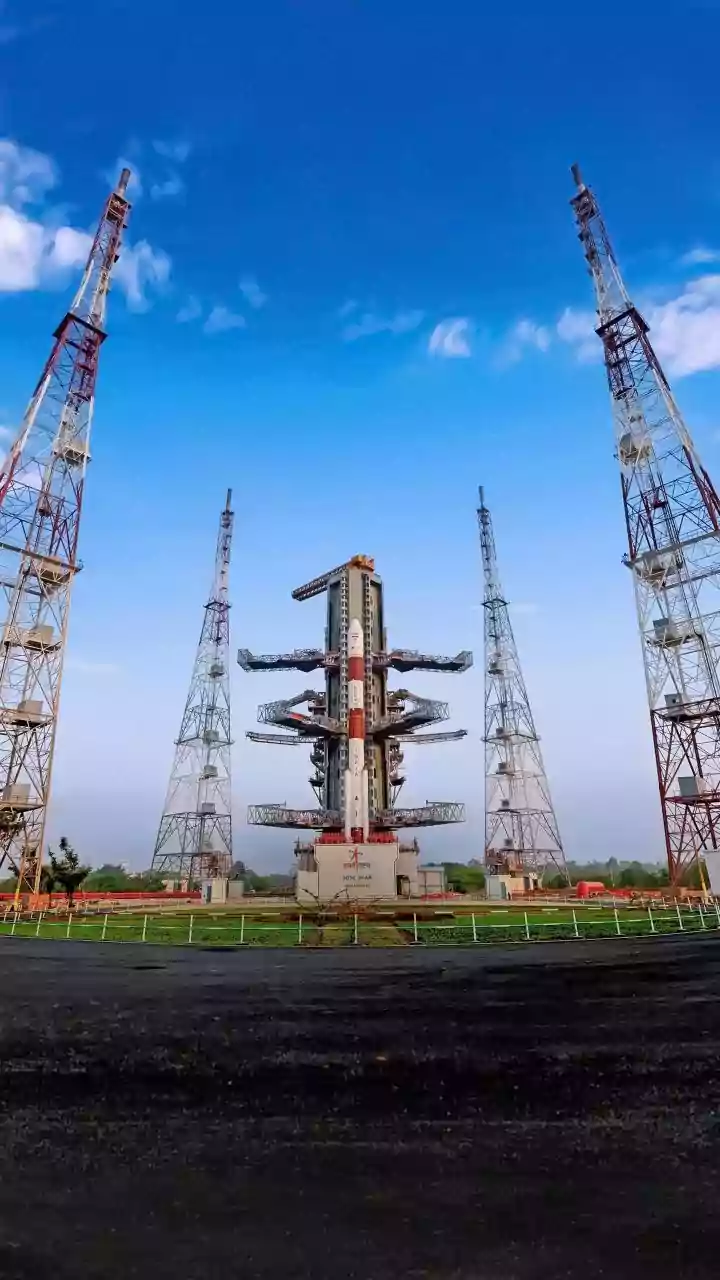
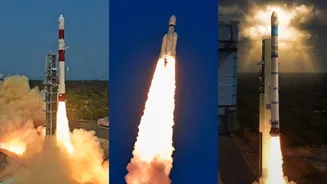
While initial launch dates were discussed for earlier years, the Shukrayaan mission is now planned for launch on March 29, 2028, aboard India's most powerful rocket, the LVM-3. After a journey of several months, the orbiter will enter a large elliptical orbit around Venus. Over the following year, it will perform a series of aerobraking manoeuvres, using the friction of the upper atmosphere to gradually lower its orbit into the ideal position for scientific observations. This mission places India in the company of other space agencies also targeting Venus in the coming decade, including NASA's VERITAS and DAVINCI+ missions and Europe's EnVision. Together, these missions promise to revolutionize our understanding of this mysterious and fascinating planet.