





Why Rolling Works Wonders
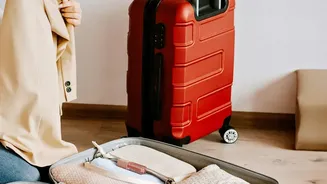
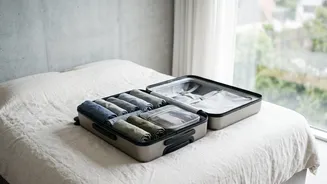
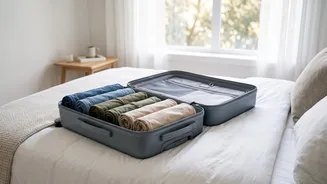
At its core, the debate between rolling and folding clothes comes down to simple physics. While folding creates neat, flat rectangles, it also introduces hard creases and leaves pockets of unused air in your bag. Rolling, on the other hand, compresses
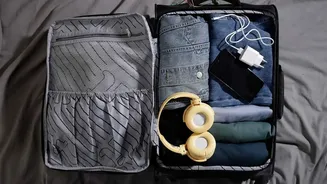
clothes into tight, uniform cylinders. This method allows you to pack items snugly against one another, much like a game of Tetris, filling the empty nooks and crannies of your suitcase more effectively. The result is not just saved space, but also a bag that is more organized and easier to navigate. When every item is a visible, compact roll, you can quickly find what you're looking for without disrupting the entire contents of your bag.
Mastering the Basic Roll
The rolling technique is simple to learn. Start by laying the garment on a flat surface and smoothing out any wrinkles; packing a wrinkled shirt will only result in a wrinkled shirt at your destination. For a t-shirt or casual top, fold the sleeves inward toward the center. Then, starting from the bottom hem, roll the garment upward as tightly and neatly as you can. For trousers or jeans, fold them in half lengthwise, placing one leg on top of the other. Again, smooth out the fabric before rolling tightly from the waistband down to the cuffs. The key is consistency. A tight, even roll is more compact and less likely to unravel in your bag.
What to Roll and What to Fold
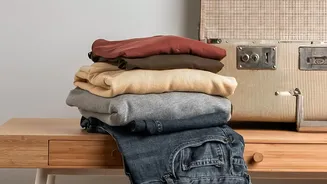
While rolling is a fantastic space-saver, it’s not a one-size-fits-all solution. The method works best for soft, flexible fabrics and casual clothing like t-shirts, leggings, pyjamas, and knitwear. However, for certain items, folding remains the superior choice. Stiff or structured garments like starched dress shirts, blazers, and formal trousers can actually become more wrinkled or lose their shape when rolled. Similarly, bulky items like heavy sweaters may take up more space when rolled into a thick cylinder. For these pieces, it's better to fold them carefully and place them on top of your rolled items or use a garment folder.
The Persistent Wrinkle Question
One of the biggest claims about rolling is that it reduces wrinkles. The logic is that by avoiding sharp folds, you prevent deep-set creases. This is largely true, especially for synthetic fabrics or blends common in travel-friendly clothing. By smoothing items before rolling them tightly, you can arrive with clothes that are ready to wear. However, natural fabrics like 100% cotton and linen are prone to wrinkling no matter how they are packed. While rolling may result in finer, all-over wrinkles rather than hard fold lines, some crinkling is unavoidable. A quick fix is to hang the item in the bathroom while you take a hot shower; the steam will help release most minor wrinkles.
Level Up With Packing Cubes
To take your organization to the next level, combine the rolling method with packing cubes. These zippered fabric containers are a traveller's best friend. You can dedicate different cubes to different categories of clothing: one for tops, one for bottoms, and another for underwear and socks. Simply fill each cube with your neatly rolled items. This not only keeps your suitcase incredibly tidy but also makes unpacking a breeze. You can transfer the cubes directly into hotel drawers. For those looking to maximize every inch, compression packing cubes offer an added benefit, featuring a second zipper that squeezes out even more air.