







The Rise of the Natural Aesthetic
This isn't just about rugs; it's a fundamental change in design philosophy for a generation raised online. After years of digitally saturated lives, Gen Z is craving authenticity and a connection to the natural world within their homes. This has fuelled
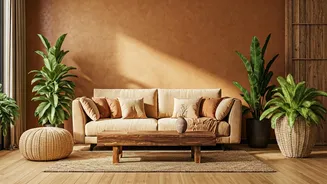
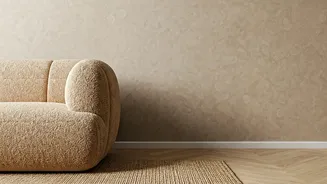
the rise of 'biophilic design'—an approach that seeks to integrate nature into our living spaces. Jute, with its raw texture and warm, neutral tones, is the perfect foundation for this aesthetic. It complements the explosion of houseplants, rattan furniture, and terracotta accents that define the modern 'boho-chic' or 'Japandi' (a hybrid of Japanese and Scandinavian design) interiors. It feels real, tactile, and offers a calming visual break from a world of slick, artificial surfaces.
Jute vs. Synthetic: The Great Rug Debate
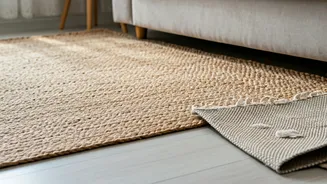
So what’s the difference, really? Synthetic rugs, typically made from materials like polypropylene, nylon, or polyester, have long been the default budget-friendly option. They are known for their durability, stain resistance, and the endless variety of bright colours and patterns they come in. However, they are essentially plastic—derived from petroleum, a non-renewable resource. They can also feel artificial to the touch and sometimes off-gas volatile organic compounds (VOCs). Jute, on the other hand, is a natural plant fibre. It’s known for its durability and rustic charm. While it doesn't offer the same rainbow of colours, its appeal lies in its natural golden-brown hue and satisfyingly coarse texture. It’s less about making a loud statement and more about building a serene, layered look.
More Than Just Looks: The Eco-Conscious Choice
For Gen Z, purchasing power is often an extension of personal values, and sustainability is a major one. This is where jute truly shines. Jute is one of the most affordable and sustainable natural fibres available. It’s a rain-fed crop that requires little to no fertiliser or pesticides, and it grows incredibly fast, with some varieties ready to harvest in just four to six months. India and Bangladesh are the world's largest producers, making it a relatively local choice for Indian consumers. At the end of its life, a 100% jute rug is fully biodegradable, meaning it will break down naturally without leaving a trace of microplastics. A synthetic rug, by contrast, will sit in a landfill for hundreds of years, slowly breaking down into harmful microplastics.
The Practicality of Jute for Renters
Beyond aesthetics and ethics, there are practical reasons why jute appeals to young people who are likely renting their homes. Firstly, cost. Jute rugs offer a high-end, organic look at a price point that is often much more accessible than wool. Secondly, durability. The tough fibres of a jute rug are perfect for high-traffic areas like living rooms and entryways. They can withstand a lot of wear and tear, which is a bonus for those living with roommates or pets. Finally, versatility. A neutral jute rug works with almost any decor style. This means that when a renter moves from one apartment to another, their rug is likely to fit in with the new space, making it a smart long-term investment.
Is a Jute Rug Right for Your Home?
Despite its many benefits, jute isn't a perfect one-size-fits-all solution. Its coarse texture means it’s not the softest rug to lie on, making it less ideal for bedrooms or playrooms where a plush feel is desired. Jute also tends to shed fibres, especially when new, and it’s highly absorbent, which means it doesn't handle moisture well. A spill needs to be blotted immediately, and it’s not recommended for damp areas like bathrooms. However, for a living room, dining area, or hallway where you want a durable, stylish, and eco-friendly foundation for your decor, a jute rug is an unbeatable choice. Regular vacuuming (without the beater bar) is usually all the maintenance it needs.