






Why Mosquitoes Love Your Pots
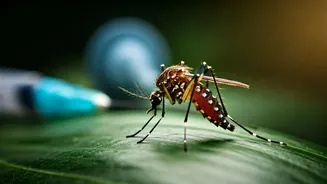
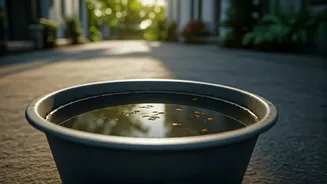
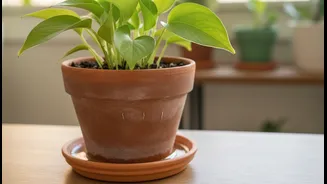
The number one attraction for mosquitoes isn't your plants, but the water that comes with them. Mosquitoes lay their eggs in stagnant water, and they only need a tiny amount to do so. The saucer under your pot, a decorative outer pot without drainage,
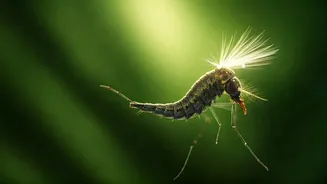
or even just consistently damp topsoil can become a thriving nursery. In warm, humid climates like those across India, indoor plants offer a cool, moist escape for mosquitoes looking to lay eggs. This problem is made worse by decaying leaves or other organic matter in the pot, which provides food for the larvae.
Master the Art of Watering
The most crucial habit to adopt is smart watering. Overwatering is the primary culprit behind mosquito issues. Check your plants before you water them; a good rule of thumb is to water only when the top one to two inches of soil feel completely dry. When you do water, do so thoroughly until it runs out the bottom, but immediately empty the saucer. Never let a pot sit in a tray of standing water for more than a few hours. An alternative is 'bottom watering,' where you place the pot in a tray of water for about 30 minutes to let the roots drink from below. This keeps the topsoil dry, making it less inviting for mosquitoes to land and lay eggs.
Create a Physical Barrier
You can prevent mosquitoes from accessing the soil in the first place. Adding a one-inch layer of sand, small pebbles, or decorative gravel on top of the soil is a highly effective trick. This 'sand barrier' not only looks neat but it physically blocks adult mosquitoes from laying eggs in the damp soil and can trap any emerging larvae. For a different kind of barrier, consider using a fan. Mosquitoes are weak fliers, and keeping a small fan circulating air around your plant collection can make it impossible for them to land.
Use Plant-Safe Larvicides and Repellents
For persistent problems, you can treat the soil and water. A soil drench made from neem oil (about 5ml mixed in a litre of water) acts as a natural insecticide that kills larvae without harming your plants. Sprinkling cinnamon powder on the soil surface is another popular hack; it’s a natural fungicide and repellent that mosquitoes dislike. For any standing water you can't easily eliminate, such as in water propagation jars, 'Mosquito Dunks' or 'Mosquito Bits' are a safe and effective solution. They contain Bti (Bacillus thuringiensis israelensis), a naturally occurring bacterium that specifically targets and kills mosquito larvae but is harmless to plants, pets, and humans.
Choose Your Plants Wisely
While any potted plant can become a mosquito risk if watered improperly, some plants actively help in the fight. Consider adding mosquito-repelling plants to your indoor and balcony garden. Plants like citronella, lemongrass, mint, basil, lavender, and rosemary release strong scents that mosquitoes find unpleasant. Placing these aromatic herbs near windows, on balconies, or around seating areas can help create a natural, fragrant barrier. For example, Tulsi (Holy Basil) is a traditional favourite in Indian homes known for its anti-larval properties. While these plants alone won't solve a large infestation, they contribute to a healthier, less inviting environment for pests.