









The Science of Monsoon Odours
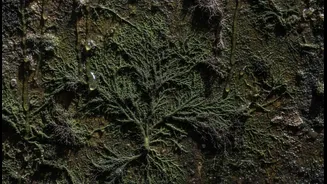
That persistent musty smell isn't just dampness; it's the result of microbial life. High humidity creates the perfect breeding ground for mould, mildew, and bacteria. These microorganisms thrive in the moisture trapped within fabric fibres, feeding on
organic matter like sweat, skin cells, and household dust. As they multiply, they release volatile organic compounds, which our noses detect as that distinct, unpleasant odour. The longer a fabric stays damp—a common issue when humidity is over 70% and air circulation is poor—the worse the problem gets. This is why simply washing clothes doesn't always work; if they don't dry quickly and completely, the microbial party starts all over again.
Breathability: Your First Line of Defence
The single most important quality in a monsoon-friendly fabric is breathability. Breathable fabrics have a looser weave that allows air to circulate freely. This airflow helps moisture, both from the air and from your body, to evaporate instead of getting trapped against your skin or within the textile. Think of it as giving your fabrics room to breathe. When materials can't breathe, like many heavy synthetics, they create a clammy, suffocating layer that holds moisture and heat, accelerating bacterial growth and odour. Prioritising breathable materials for your curtains, bedsheets, and clothing is a fundamental step in managing indoor air quality and comfort during the long, damp months.
Fabrics to Embrace This Monsoon
Making a few strategic swaps can transform your home's climate. For clothing and home textiles, prioritise lightweight, natural fibres. Fine cottons, like mulmul or voile, are exceptional; they are highly breathable, absorb minimal moisture, and dry very quickly. Linen is another champion, prized for its ability to absorb a significant amount of moisture without feeling wet and for drying even faster than cotton. It's ideal for bedsheets and clothing. Don't overlook modern options like bamboo fabric, which is celebrated for its natural antimicrobial and superior moisture-wicking properties, pulling sweat away from the skin effectively. These fabrics work with the climate, not against it, to keep things fresh.
Fabrics to Use with Caution
Just as important as knowing what to use is knowing what to avoid. Heavy fabrics are the main culprits. Dense cottons like denim and thick canvas absorb and hold onto moisture for a very long time, making them magnets for mildew. While many synthetic fabrics like polyester and nylon are marketed as quick-drying, they often lack breathability. Unless they are specifically engineered as high-performance sportswear, they can trap heat and sweat, leading to more aggressive odours than natural fibres. Heavy silks and fabrics with dense embroidery or zari work should also be stored away; the main fabric may dry, but the thick threads can retain moisture for days.
Beyond Fabric: Smart Care and Storage
The right fabrics are only half the battle. Proper care is essential to prevent odours. First, ensure clothes are 100% dry before storing them. Even a hint of dampness is an invitation for mildew. Maximise air circulation in your cupboards by not overcrowding them and leaving doors ajar occasionally. Using natural desiccants like silica gel packets, camphor balls, or even charcoal bags can help absorb ambient moisture inside enclosed spaces. When washing, don't let damp clothes sit in the hamper. Adding a small amount of white vinegar or an antibacterial liquid to your wash cycle can also help kill odour-causing microbes at the source.