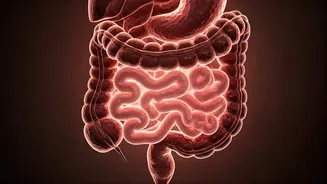









A Digestive Powerhouse
Pears are a fantastic source of dietary fibre, which is crucial for a healthy digestive system. A single medium-sized pear can provide around 6 grams of fibre, which is a significant portion of your daily needs. What makes pears particularly special is that
they contain both soluble and insoluble fibre. Soluble fibre, such as pectin, dissolves in water to form a gel-like substance. This helps soften stool, making it easier to pass and preventing constipation. Insoluble fibre, on the other hand, does not dissolve and adds bulk to the stool, which helps promote regular bowel movements. This dual-action fibre content makes pears a formidable ally for your gut.
The Science Behind the Fruit
The benefits of pears go beyond just fibre. They are a source of prebiotics, which act as food for the beneficial bacteria in your gut. A thriving community of good bacteria is essential for overall digestive health, helping with nutrient absorption and even supporting your immune system. Pears also contain natural sugars like sorbitol, a type of sugar alcohol that has a mild laxative effect. Sorbitol helps draw water into the colon, which further aids in softening stool and promoting regularity. This makes pears a gentle and natural remedy for occasional constipation.
Easy Ways to Enjoy Pears
Incorporating pears into your diet is simple and delicious. The most straightforward way is to eat them fresh as a snack. Be sure to eat the skin, as it contains a large amount of the fruit's beneficial fibre and antioxidants. You can slice them into your morning cereal, oatmeal, or yoghurt. They add a sweet crunch to salads or can be blended into smoothies for a fibre boost. For a soothing and easily digestible option, especially if you're experiencing digestive discomfort, try stewed or poached pears. Gently cooking the fruit softens the fibres, making them even gentler on the gut.
Choosing and Using Pears
In India, you can find several varieties of pears, including the popular Nashpati and Babugosha. While textures and sweetness may vary, all types of pears offer significant digestive benefits. For maximum effect, pair your pear consumption with adequate water intake. Water helps the soluble fibre do its job of forming a soft gel, ensuring everything moves smoothly through your digestive tract. One or two pears a day is a great goal for most people looking to improve their digestive health.
A Note of Caution
While pears are incredibly healthy, moderation is key. Due to their high content of fructose and sorbitol, eating too many pears at once might cause bloating or gas in some individuals, particularly those with Irritable Bowel Syndrome (IBS) or a sensitivity to FODMAPs. FODMAPs are types of carbohydrates that can be difficult for some people to digest. If you have a sensitive stomach, it's best to introduce pears into your diet gradually and see how your body reacts.