








A Tale of Two Monsoons
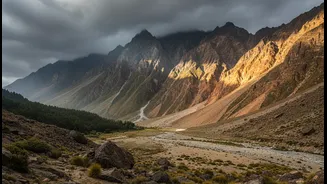
This monsoon season, the story of India's mountains is sharply divided. On one side, popular destinations in Himachal Pradesh and Uttarakhand are facing the fury of extreme weather. Heavy rains have triggered a series of devastating landslides, blocking
major national highways, washing away roads, and leading to travel advisories. The India Meteorological Department has issued red alerts, warning of the high risk of flash floods and further landslips, prompting many travellers to cancel or postpone their plans. Key tourist corridors around Manali, Shimla, and the Char Dham routes have become notoriously unpredictable, with authorities advising against non-essential travel.
The Allure of the Rain Shadow
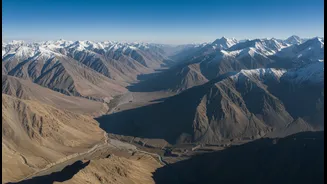
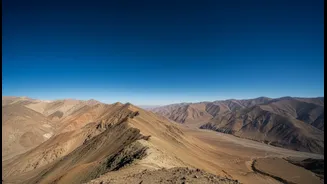
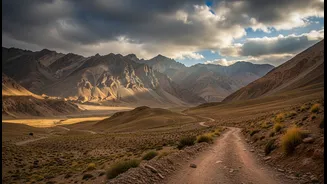
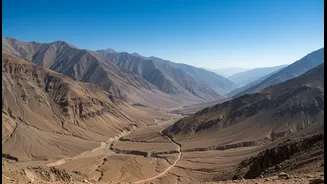
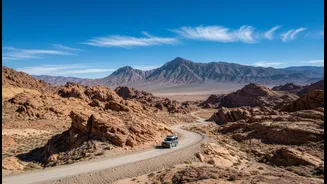
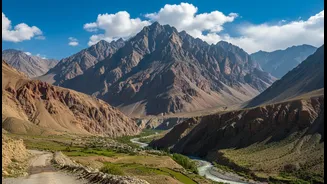
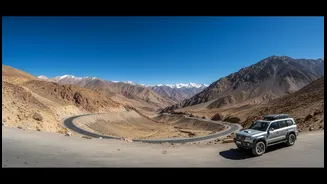
This uncertainty has created a powerful 'push' factor, redirecting a massive wave of tourists towards Ladakh and Spiti Valley. Geographically, these regions lie in a rain shadow, meaning the high Himalayan peaks block most monsoon clouds, resulting in a dry and stable climate during July and August. This perceived safety is the primary 'pull' factor. For urban tourists desperate for a mountain getaway, Ladakh and Spiti offer the promise of adventure without the imminent risk of being stranded by landslides. This natural advantage makes them the default choice for a safe summer holiday in the mountains.
Better Roads, Booming Numbers
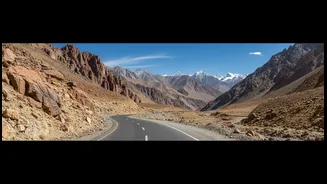
Improved infrastructure has also played a pivotal role. The inauguration of the Atal Tunnel in 2020 has been a game-changer, providing year-round access to the Lahaul-Spiti valley and dramatically cutting travel time from Manali. This has transformed Manali from a final destination into a stopover for tourists heading to the once-remote valley. Similarly, better air and road connectivity to Ladakh has made the region more accessible than ever. The results are stark: Ladakh has witnessed a historic surge in tourism in 2026, with a more than 43% increase in arrivals in the first five months of the year alone. The Atal Tunnel itself has seen traffic volumes that exceed its designed capacity during peak season, a clear indicator of the tourism boom.
A Fragile Paradise Under Pressure
While the economic benefits for local communities are significant, this historic turnout is a double-edged sword. The sudden, concentrated influx of visitors is placing an immense strain on the fragile ecosystems of these high-altitude deserts. Overtourism is leading to concerns over water scarcity, waste management, and the preservation of a unique and quiet culture. The very remoteness and untouched beauty that draw people to Spiti and Ladakh are now under threat from the sheer volume of traffic. Local authorities and environmentalists are increasingly calling for a more sustainable approach, questioning the carrying capacity of these ecologically sensitive regions.