




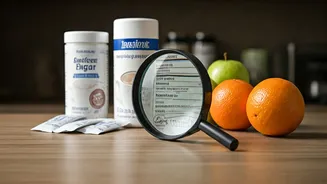


The Shifting Science on Supplements
The belief in vitamins has deep roots, stemming from a time when deficiencies like scurvy and rickets were common. The discovery that tiny amounts of certain compounds could prevent devastating diseases gave vitamins an almost magical reputation. For
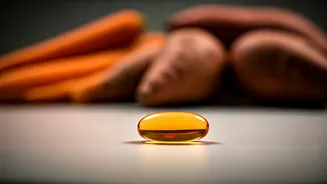
years, the consensus was that if a little is good, more must be better. However, large-scale studies in recent years have begun to challenge this notion. Major research reviews have found that for the general, healthy population, multivitamins do not reduce the risk for heart disease, cancer, or cognitive decline. Some studies even suggest certain high-dose supplements, such as beta-carotene and vitamin E, may cause harm, especially for specific groups like smokers. This has led many experts to conclude that for most people who eat a reasonably balanced diet, widespread supplementation is not beneficial for preventing chronic disease.
More Is Not Always Better
One of the primary concerns is the risk of toxicity, particularly with fat-soluble vitamins—A, D, E, and K. Unlike water-soluble vitamins (like C and B-complex) which the body excretes in urine, fat-soluble vitamins are stored in the liver and fatty tissues. Over time, they can accumulate to harmful levels, a condition known as hypervitaminosis. For example, too much vitamin A can lead to symptoms like nausea, dizziness, and in severe cases, liver damage or increased pressure on the brain. An overdose of vitamin D can cause a buildup of calcium in the blood, potentially harming the heart and kidneys. Even some minerals, when taken in excess, can cause problems. High iron intake can lead to constipation and nausea, while too much zinc can impair copper absorption and suppress the immune system.
The Multivitamin Myth
The daily multivitamin is a staple in many households, often seen as a convenient way to fill nutritional gaps. Yet, for most healthy adults, research indicates they may not be necessary if you already eat a varied diet rich in fruits, vegetables, and whole grains. Several major studies and expert panels have concluded there is insufficient evidence to recommend multivitamins for the prevention of cardiovascular disease or cancer. In one study of older women, those who took multivitamins actually had a slightly higher risk of early death. The prevailing expert opinion is that pills are not a shortcut to good health and cannot replace the benefits of a nutritious diet and healthy lifestyle.
When Supplements Are Still Necessary
This new caution doesn't mean supplements have no place in healthcare. For specific populations and conditions, they remain essential. For instance, women who are pregnant or trying to conceive are advised to take folic acid to prevent neural tube defects in babies. People following a strict vegan or vegetarian diet often need vitamin B12, which is found almost exclusively in animal products. Older adults may have difficulty absorbing B12 and may also benefit from vitamin D and calcium for bone health. Those with certain medical conditions that impair nutrient absorption, such as celiac or Crohn's disease, or individuals who have had bariatric surgery, also require targeted supplementation. The key is that these are specific, medically-advised uses, not a just-in-case approach for everyone.
Food First, Supplements Second
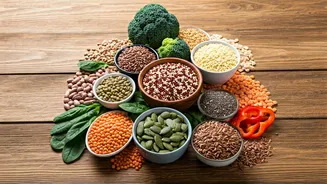
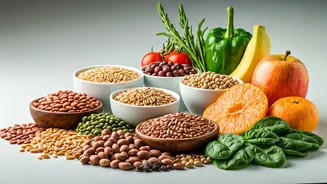
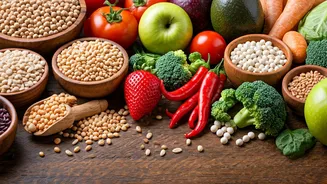
The overwhelming consensus among nutrition experts is that nutrients are best obtained from whole foods. A healthy diet provides a complex matrix of vitamins, minerals, fibre, and other beneficial compounds called phytonutrients that work together in ways a pill cannot replicate. Your body is better able to absorb and use nutrients that come from what you eat. An orange, for example, provides vitamin C plus fibre, potassium, and a host of other compounds. A vitamin C tablet provides only ascorbic acid. Focusing on a diet filled with colourful fruits and vegetables, lean proteins, and whole grains is a more effective long-term strategy for health than relying on a bottle of pills.