





What is a Rain-Shadow Region?
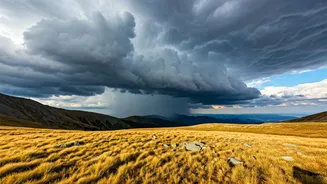
In simple terms, a rain-shadow region is a dry area on one side of a mountain range. In India, the towering Western Ghats and the mighty Himalayas act as massive barriers to moisture-laden monsoon clouds. As the clouds are forced to rise over the mountains,
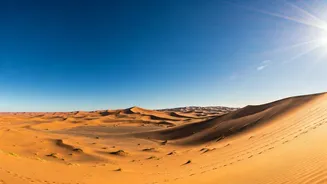
they cool and release all their rain on the windward side. By the time the air passes over to the other side—the leeward side—it is dry, creating a 'shadow' where rainfall is minimal. This geographical quirk creates unique landscapes that are ideal for travel when the rest of the country is soaked.
Ladakh: The Cold Desert Crown
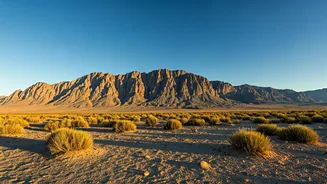
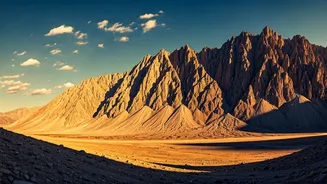
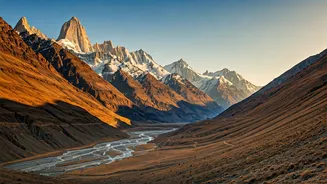
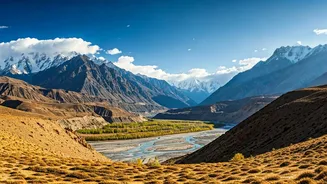
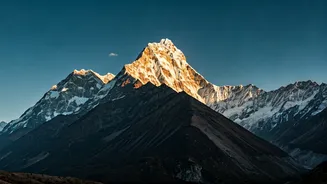
While most of India experiences heavy monsoon from June to September, Ladakh remains a high-altitude cold desert, shielded from the rains by the Great Himalayan range. This makes it the absolute best time to visit. The weather is pleasantly warm during the day, with clear blue skies framing the stark, majestic mountains. The infamous highway blockages that can occur on the approach roads from Manali or Srinagar are a risk, but flying into Leh is a reliable alternative. Once there, you can explore ancient monasteries, serene high-altitude lakes like Pangong Tso, and the breathtaking Nubra Valley, all with fewer crowds than in the peak summer months.
Spiti Valley: A World Within a World
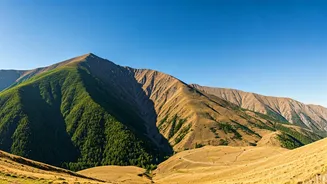
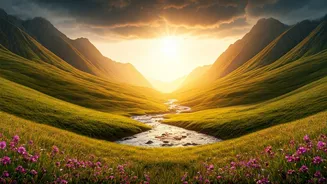
Much like its famous neighbour Ladakh, Spiti Valley in Himachal Pradesh is a trans-Himalayan region that lies in a rain shadow. While the journey to Spiti can be challenging, with roads from Shimla and Manali susceptible to landslides in the lower reaches, the valley itself remains largely dry and accessible. The reward for your efforts is a landscape of unparalleled beauty: barren mountains, pristine rivers, and some of the world's oldest Buddhist monasteries, such as Key and Tabo. During the monsoon months, the valley sometimes receives light showers that bring a surprising flush of green to the otherwise arid terrain, creating a stunning visual contrast.
The Eastern Side of the Western Ghats
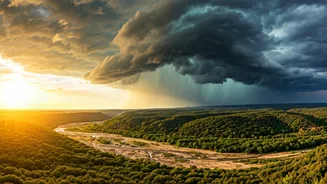
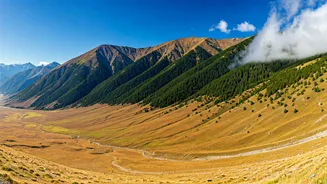
The most classic example of a rain shadow in India is the vast area to the east of the Western Ghats. While the coastal areas of Maharashtra, Karnataka, and Kerala receive torrential downpours, the interior Deccan Plateau remains significantly drier. This region includes cities like Pune and large parts of northern Karnataka and western Tamil Nadu. These areas don't become completely arid but receive much less rainfall, making them pleasant for exploration. You can discover ancient temples, explore unique rock formations, and enjoy a different, more subtle side of the monsoon season without the constant deluge.
Coimbatore and Tamil Nadu's Western Belt
Tamil Nadu is a fantastic monsoon travel destination precisely because it lies in the rain shadow of the Western Ghats during the southwest monsoon (June-September). The state gets most of its rain during the retreating northeast monsoon later in the year. This makes cities like Coimbatore relatively dry and pleasant. While it's not a cold desert like Ladakh, you're trading heavy downpours for moderate weather. It serves as a great base to explore nearby hill stations like Ooty and Valparai, which, despite getting rain, are lush and beautiful. You can enjoy the verdant landscapes and swollen waterfalls without the travel disruptions common elsewhere.