


As winter's chill sets in, our kitchens transform into havens of warmth. Across India, ancient wisdom dictates fighting the cold from the inside out with hearty, nourishing meals that do more than just fill the belly—they generate heat.
Sarson ka Saag: The Punjabi Powerhouse
No winter in North
India is complete without Sarson ka Saag. This iconic Punjabi dish is a creamy, rustic blend of mustard greens (sarson), often mixed with spinach (palak) or bathua. According to Ayurveda, mustard leaves are considered 'warming' in nature. They are also a rich source of iron, folate, and antioxidants that help boost immunity during the cold season. The traditional preparation involves slow-cooking the greens for hours until they become tender and luscious. Finished with a tempering of garlic, ginger, and onions in ghee, and served with a dollop of white butter alongside Makki di Roti (cornbread), it becomes a deeply satisfying and energy-giving meal.
Gajar ka Halwa: A Sweet, Warm Embrace
When winter arrives, so do the sweet, red carrots that are perfect for Gajar ka Halwa. This beloved dessert is a rich pudding made by slow-cooking grated carrots with milk, sugar, and a generous amount of ghee. The combination of calorie-dense ghee, milk solids (khoya), and nuts provides a potent source of energy, helping the body stay warm. Served hot, this dessert is not just a treat for the taste buds but a comforting ritual in many Indian households during festive occasions and cold evenings. The slow-cooking process allows the carrots to absorb all the creamy goodness, resulting in a melt-in-the-mouth texture that defines winter indulgence.
Panjiri: The Edible Winter Fuel
Hailing from Punjab, Panjiri is less a dessert and more a traditional nutritional supplement for winter. This crumbly mixture consists of whole wheat flour roasted in ghee and combined with edible gum (gond), nuts, and seeds. Each ingredient is chosen for its warming properties. Ghee provides healthy fats and helps the body cope with cold, while gond is known to support joint health and provide warmth. The nuts and seeds add protein and more healthy fats, creating a high-energy food that provides sustained warmth. Often eaten with a glass of warm milk, a spoonful of Panjiri in the morning is a traditional way to keep the body active and nourished through the season.
Undhiyu: Gujarat's Winter Vegetable Medley
Undhiyu is a one-pot dish that celebrates the bounty of winter vegetables in Gujarat. Its name comes from the Gujarati word 'undhu', meaning upside down, referring to the traditional method of cooking it in an earthen pot buried underground. This complex dish features a mix of winter produce like surti papdi (hyacinth beans), purple yam, sweet potatoes, and baby eggplants. These vegetables are slow-cooked in a flavourful masala of coconut, coriander, and other spices. The addition of methi muthia (fenugreek dumplings) adds another layer of texture and flavour. The slow cooking process and the mix of root vegetables make it a hearty, grounding, and warming meal.
Rogan Josh: Aromatic Kashmiri Warmth
This iconic lamb curry from Kashmir is renowned for its rich red colour and intensely aromatic flavour profile, making it a perfect dish for a cold day. The warmth in Rogan Josh comes not from fiery heat but from a blend of spices known in Ayurveda for their warming properties. Spices like cloves, cinnamon, cardamom, and a special Kashmiri chilli that imparts colour without excessive heat are central to the dish. Slow cooked until the meat is tender, the dish develops a deep, complex flavour. The use of yogurt and ghee adds to its richness, creating a hearty and satisfying curry that warms you from the inside out.
Khichdi: The Ultimate Comfort Food
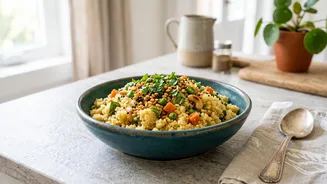
While enjoyed yearround, a warm bowl of Khichdi is particularly comforting during winter. This simple, onepot dish of rice and lentils is easy to digest and incredibly nourishing. To make it winterappropriate, it can be enriched with a dollop of ghee and a tempering of warming spices like cumin, ginger, and asafoetida (hing). Adding seasonal vegetables like peas, carrots, and cauliflower enhances its nutritional value. Khichdi provides a balanced meal of carbohydrates and protein, offering sustained energy. Its soothing and wholesome nature makes it a goto meal when the body needs gentle, healing warmth.
Paya Shorba: A Rich, Restorative Soup
Paya, a slow cooked soup made from lamb or goat trotters, is a traditional winter delicacy known for its restorative qualities. The long slow simmering process breaks down the collagen in the bones, creating a gelatinrich broth that is deeply flavourful and nourishing. The soup is typically infused with aromatic and warming spices like ginger, garlic black peppercorns ,and cloves ,which help to increase body heat and fight off winter chills. Often garnished with fresh coriander and a squeeze of lime ,this hearty shorba is not just a soup but a fullbodied meal ,prized for its ability to provide warmth and strength during the coldest months.