


Why Monsoon Is a High-Risk Season
The combination of warmth and high humidity during the rainy season accelerates the growth of harmful germs like bacteria and mould. Food that might stay safe for hours in dry weather can spoil much faster. This is particularly true for cooked foods,
which provide a rich environment for microbes like Salmonella and E. coli to multiply, increasing the risk of food poisoning. The Food Safety and Standards Authority of India (FSSAI) regularly issues advisories during this season, emphasizing that basic hygiene can significantly reduce the risk of foodborne illnesses.
The Golden Rules for Cooked Rice
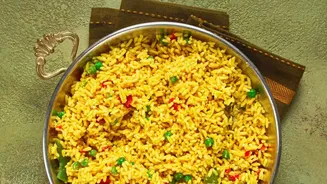
Cooked rice is a common culprit for food poisoning due to a bacterium called Bacillus cereus. Its spores can survive the cooking process and, if rice is left at room temperature, these spores can germinate and produce toxins. Reheating the rice won't destroy these heat-resistant toxins. The safest practice is to cool cooked rice as quickly as possible. Do not leave it on the counter for more than two hours. For quick cooling, spread the leftover rice in a shallow container instead of leaving it in a deep pot or cooker. Once the steam has escaped, refrigerate it promptly in an airtight container.
Handling Curries with Extra Care
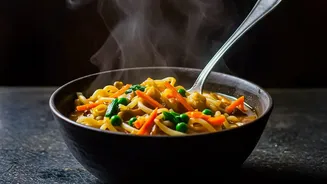
Curries, especially those with a base of coconut milk, dairy, or ground nuts, are highly perishable. The high fat and protein content makes them susceptible to rapid spoilage in humid conditions. Coconut milk-based dishes can spoil quickly and should be refrigerated as soon as they cool down. When reheating any curry, especially gravies and sauces, it's crucial to bring it to a rolling boil to kill any bacteria that may have developed during storage. Avoid mixing a fresh batch of curry with leftovers from a previous meal, as this can introduce bacteria and speed up spoilage.
Smart Storage and Kitchen Hygiene
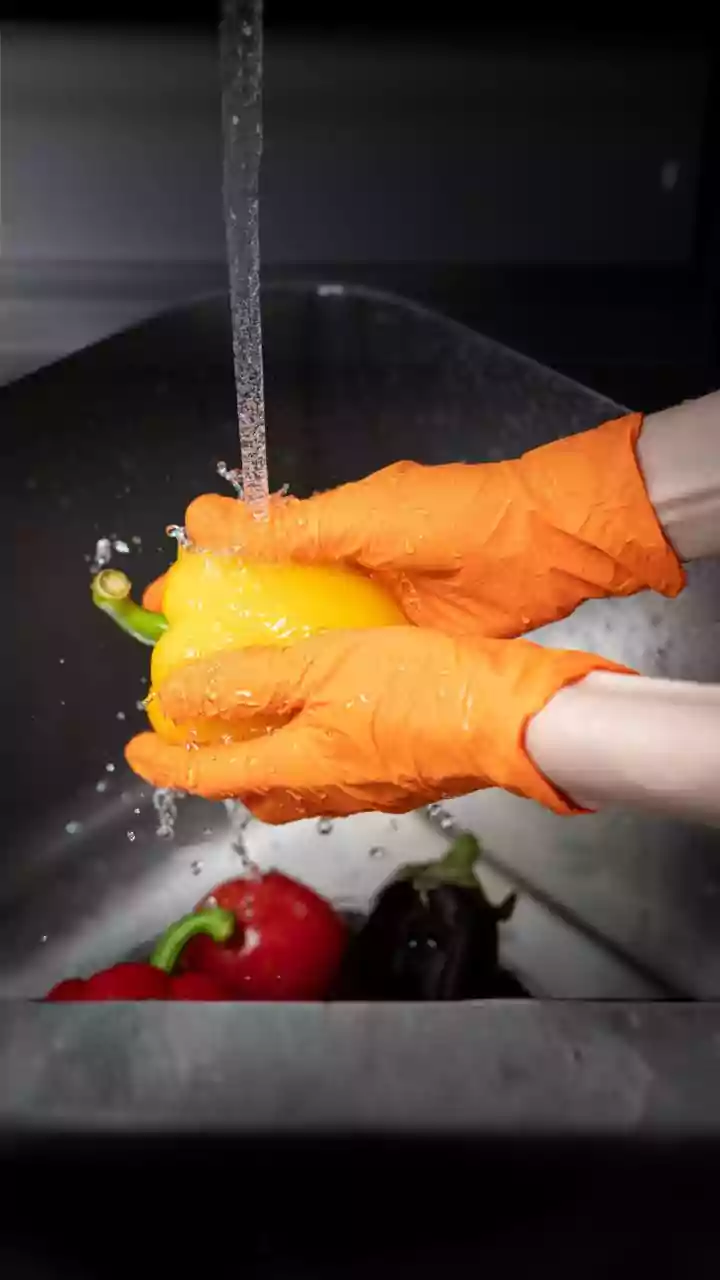
Effective storage is your best defence. Always use clean, dry, and airtight containers for all leftovers to protect them from moisture and contaminants. The FSSAI advises keeping kitchen surfaces, cutting boards, and utensils thoroughly clean and sanitized. It's also recommended to clean your refrigerator regularly, as mould can thrive in the damp environment of a fridge during monsoon. A key rule is to separate raw and cooked foods to prevent cross-contamination, which is a common source of foodborne illness.
The Art of Safe Reheating
Simply warming up leftovers isn't enough. To ensure safety, food must be reheated thoroughly until it is steaming hot all the way through, which is generally above 75°C. When reheating curries, soups, or dals, bring them to a boil for at least a minute. For rice, ensure it's heated until piping hot. Never reheat food more than once. If you only plan to eat a small portion of a leftover dish, take out only that amount and reheat it, leaving the rest safely in the fridge. Remember that food can be contaminated without any off-smell or bad taste, so when in doubt, it is always safer to discard it.