
Finding Your Perfect Planter
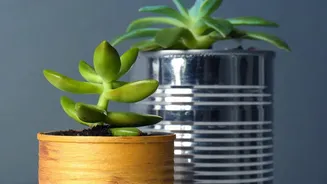
Almost any object that can hold soil can become a planter. Think beyond traditional pots and look for items with character. Vintage tea cups, old teapots, and ceramic bowls can bring a touch of whimsy to your decor. Tin cans from coffee or food products
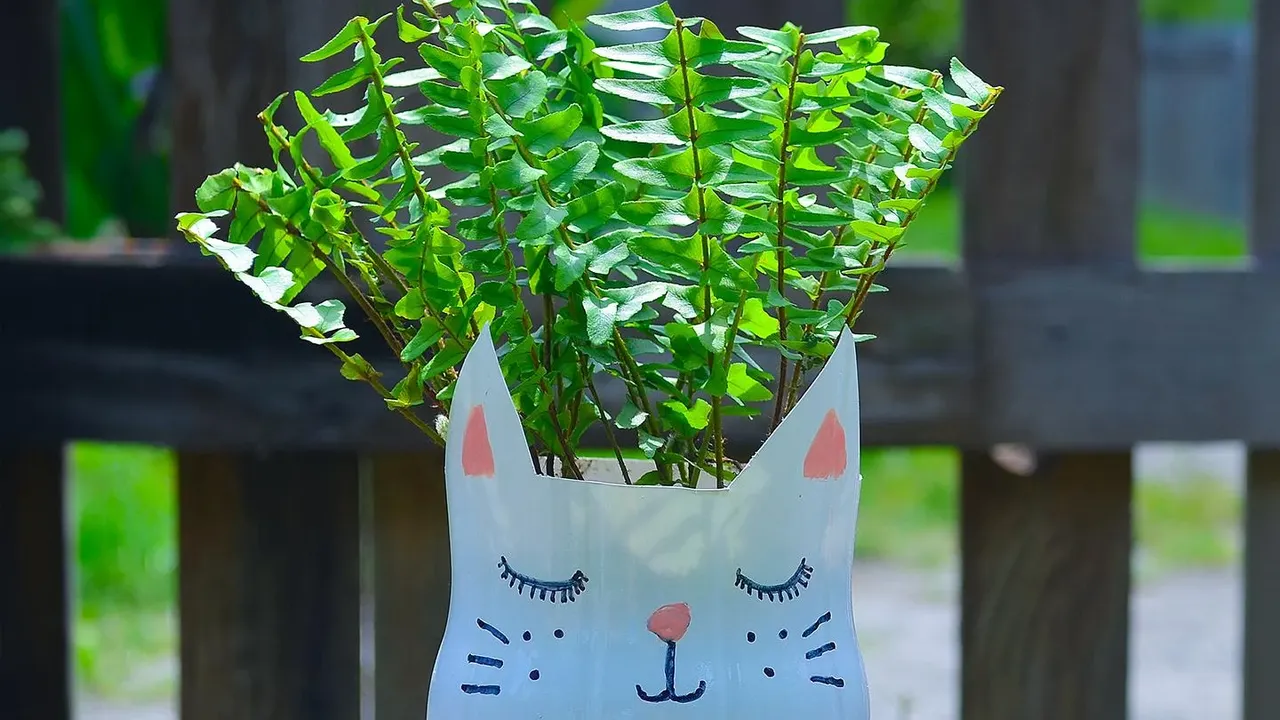
offer a rustic or industrial vibe. Even plastic milk jugs, glass jars, and wooden crates can be transformed into stunning homes for your plants. The goal is to find containers that not only fit your plant but also complement your room's aesthetic. This approach is not only cost-effective but also reduces waste by giving old items a new purpose.
The Golden Rule: Solving for Drainage
The single most important step in repurposing a container is ensuring proper drainage. Without it, water will pool at the bottom, leading to soggy soil and root rot, which is fatal for most houseplants. You have a few options. The simplest method is to drill several small holes in the bottom of your chosen container. If you're using something you don't want to drill, like a vintage ceramic piece, you can use it as a 'cachepot'. This means keeping your plant in its plastic nursery pot (which has holes) and simply placing it inside the decorative container. Remember to tip out any excess water that collects in the cachepot after watering.
Creating a Faux Drainage System
If you can't drill holes and don't want to use the cachepot method, you can create a drainage layer at the bottom of the container. Start with a one- to two-inch layer of materials like gravel, small rocks, or broken pottery shards. On top of this, you can add a thin layer of horticultural charcoal. This layer helps absorb excess moisture and filters the water. While this method can work, especially for drought-tolerant plants, it requires very careful watering, as the excess water still has nowhere to escape. It's generally considered a riskier option than drilling holes or using a cachepot.
Preparing Your Container
Before you add any soil or plants, it's crucial to clean your container thoroughly, especially if it previously held food or other products. Wash it with soap and hot water to remove any residue. If you're using a wooden container like a crate, you may want to line it with plastic sheeting or landscape fabric to protect the wood from water damage over time. For containers made from old plastic bottles, you can soften any sharp cut edges with a lighter to prevent damage to your plant's leaves. Taking a few moments to properly prepare your new planter ensures a healthier environment for your plant from the start.
Matching Plant to Planter and Style
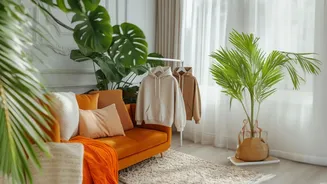
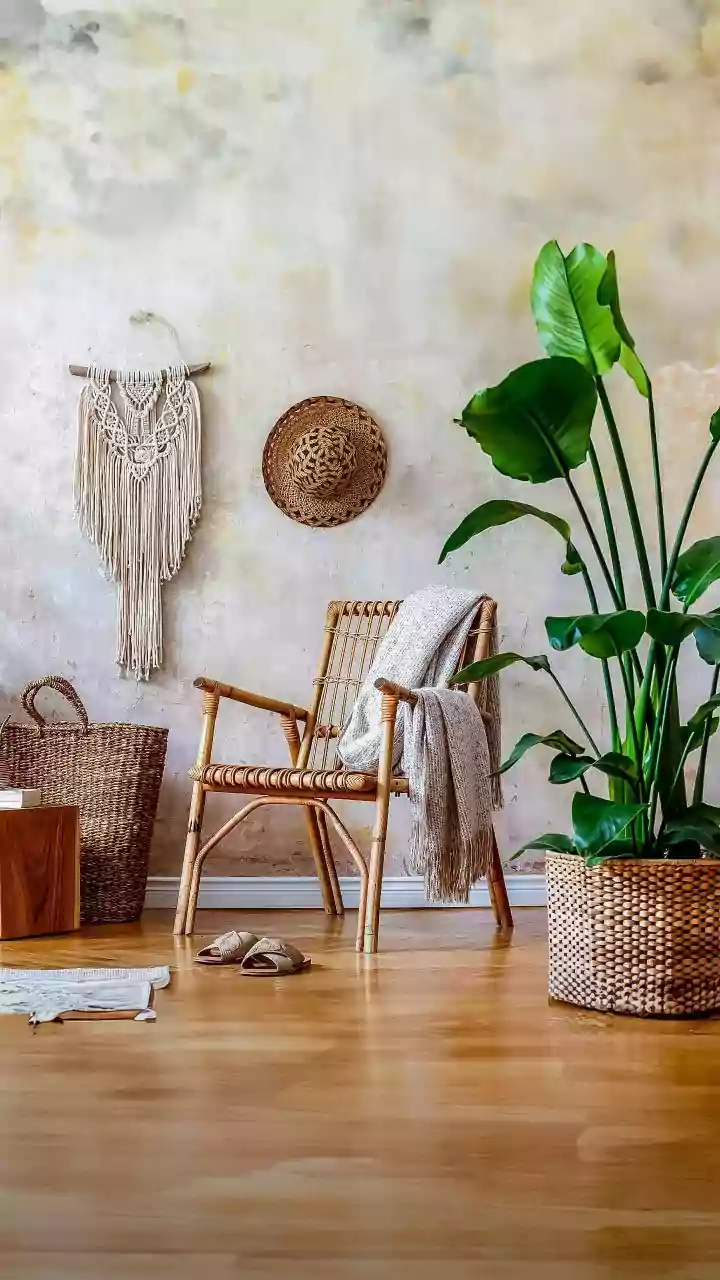
The final step is the creative part: pairing your plant, planter, and room. Moisture-loving tropical plants like ferns and calatheas do well in non-porous containers like plastic or glazed ceramics that retain moisture. Drought-tolerant succulents and cacti, which prefer to dry out between waterings, are great for smaller or shallower containers. Think about the overall look. A rusty old wheelbarrow or wooden crate can create a rustic focal point in a large room or outdoor space. Quirky items like old boots or toy trucks can house succulents and add a playful touch. A collection of painted tin cans on a kitchen windowsill can provide a cheerful home for herbs. Let your imagination guide you to create combinations that are uniquely you.