






When cold weather arrives, you likely switch to a richer face cream. But what about the rest of your skin? Extending that same level of care to your body is the key to preventing the tight, itchy, and flaky skin that defines winter for so many.
Understanding Winter's Toll on Skin
The primary
reason our skin suffers in winter is a drastic drop in humidity. Cold outdoor air holds less moisture, and indoor heating systems strip the air of what little moisture is left. This combination creates a perfect storm for dehydration, pulling water from your skin through a process called transepidermal water loss. Think of your skin's protective barrier as a brick wall, with skin cells as the bricks and natural lipids as the mortar. In winter, that mortar weakens, leading to cracks in the barrier, moisture loss, and increased sensitivity. This is why skin that feels fine in summer can become dry, irritated, and itchy when the temperature drops.
Start with a Gentler Shower Routine
A long, hot shower might feel like the ultimate comfort on a cold day, but it's one of the worst things for dry skin. The intense heat strips your skin of its natural protective oils, worsening dryness and irritation. Instead, opt for shorter, lukewarm showers, lasting no more than 10 minutes. Swap out harsh, stripping soaps for gentle, hydrating, and fragrance-free cleansers. Look for creamy body washes that contain moisturizing ingredients like ceramides, glycerin, or shea butter to cleanse without disrupting your skin's already fragile barrier.
Exfoliate, But Do It Gently
While it might seem counterintuitive to scrub at dry skin, gentle exfoliation is crucial. It removes the buildup of dead, flaky cells on the surface, allowing your moisturizer to penetrate more effectively. However, winter is not the time for aggressive scrubs. Over-exfoliating can further damage the skin barrier and cause more irritation. Opt for a gentle approach, such as a soft washcloth or a body wash with mild chemical exfoliants like lactic acid. If you prefer a physical scrub, choose one with fine, smooth particles like sugar, which is less abrasive than coarse salt. Limit exfoliation to once or twice a week, and always be gentle in your application.
Master the Art of Moisturizing
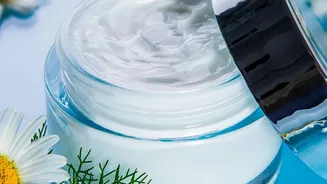
This is the most critical step. The key to effective moisturizing is both what you use and when you use it. Always apply moisturizer immediately after showering, while your skin is still slightly damp. This helps to trap and seal in the water that's on your skin's surface. In winter, lotions that come in a pump bottle may not be enough. You need to upgrade to a thicker cream or ointment that you scoop from a jar. Look for powerhouse hydrating ingredients on the label. Humectants like hyaluronic acid and glycerin draw moisture into the skin. Emollients like shea butter and ceramides help to repair the skin barrier and smooth its surface. Applying these rich formulas generously will create a protective shield that keeps moisture in and irritants out.
Protect Your Skin from the Environment
Your routine doesn't end with moisturizer. Simple environmental changes can make a huge difference. Using a humidifier in your home, especially in the bedroom, adds moisture back into the dry, heated air, which in turn helps your skin stay hydrated. The fabrics you wear also matter. Rough materials like wool can be abrasive against sensitive winter skin, so try to wear soft, breathable fabrics like cotton directly against your body. Finally, don't forget to protect exposed areas like your hands and lips when you go outside. Wear gloves and apply a nourishing lip balm to create a physical barrier against the cold wind.