



A Word of Caution First
While natural, fruit peels are not free from risks. It's crucial to always wash peels thoroughly to remove pesticides and bacteria. Whenever trying a new ingredient, perform a patch test by applying a small amount to your inner arm to check for irritation
or allergic reactions. This is especially important for winter skin, which can be more sensitive. Also, be aware that many home remedies lack extensive scientific backing, so results can vary.
Orange Peel: For a Brightening Boost
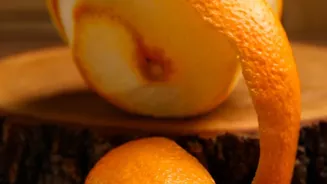
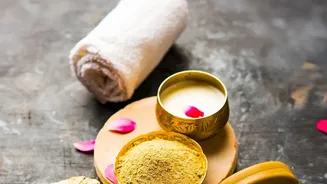
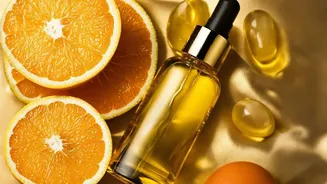
Orange peels are rich in Vitamin C, an antioxidant known for brightening skin, helping to fade dark spots, and promoting collagen production. The natural acids in the peel also act as a gentle exfoliant, helping to unclog pores. However, these same acids can be irritating, especially on dry winter skin. Never apply raw orange peel directly to your face. The safest method is to use dried, ground peel powder. Mix one tablespoon of orange peel powder with two tablespoons of yogurt or a tablespoon of honey to create a paste. Apply it for 10-15 minutes before rinsing. This mixture provides the benefits of the peel while the yogurt or honey offers a hydrating, soothing buffer.
Banana Peel: The Gentle Hydrator
If your primary winter concern is dryness and irritation, the humble banana peel might be your best friend. Loaded with potassium, moisture, and vitamins, banana peels can help hydrate and soften the skin. Advocates for this home remedy claim it can soothe inflammation and reduce puffiness. The method is simple: gently rub the inner, white side of a fresh banana peel on your clean face for a few minutes. Let the residue sit for 10-15 minutes before rinsing. This treatment is generally considered mild and is a low-risk option for adding a quick dose of moisture and calm to your winter skincare routine.
Pomegranate Peel: The Antioxidant Powerhouse
Often overlooked, pomegranate peels contain even more antioxidants than the fruit's seeds. These compounds help protect the skin from environmental damage and can slow signs of ageing. Using pomegranate peel powder in a face mask can help detoxify the skin and act as a natural moisturiser. To make a simple and effective mask, mix about one teaspoon of the dried powder with rose water or yogurt to form a paste. Apply it for about 15 minutes, and rinse off. Its astringent properties can also help tighten skin and minimise the appearance of pores.
Papaya Peel: The Natural Exfoliator
Dull winter skin is often the result of a buildup of dead skin cells. Papaya peel contains papain, a natural enzyme that works as a gentle exfoliant to dissolve these cells, revealing brighter skin underneath. This enzymatic action is often less harsh than physical scrubs. To try it, you can gently rub the fleshy side of a fresh papaya peel over your skin for a minute, let the residue sit for a few more minutes, and then rinse thoroughly. Because it is an active exfoliant, it's important not to leave it on for too long to avoid irritation and to follow up with a good moisturiser, which is a must in any winter routine.