


A Shift from Fast Furniture to Mindful Decor
A quiet revolution is reshaping the aesthetic of urban Indian homes, particularly those of Gen Z. This generation, born between 1997 and 2012, is moving away from mass-produced, transient decor and embracing pieces with soul and a story. For them, a home is more
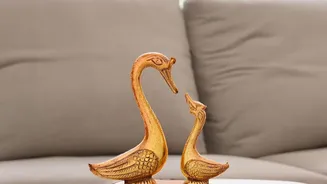
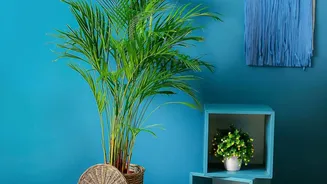
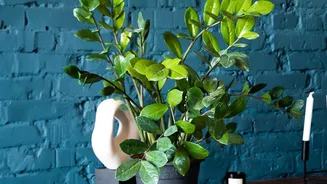
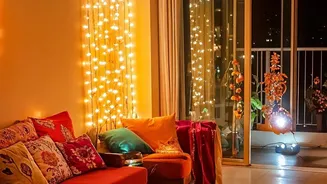
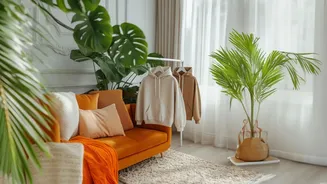
than just a living space; it's an extension of their identity and values. This has sparked a renewed interest in traditional Indian handicrafts, which offer a unique blend of authenticity, sustainability, and artistic expression. Instead of stark minimalism, there's a growing appreciation for curated spaces that feel personal and warm. This shift isn't just about aesthetics; it reflects a deeper desire for connection—to the environment, to cultural roots, and to the stories behind the objects they choose to live with.
Sustainability as a Core Value
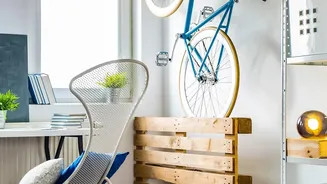
One of the biggest drivers of this trend is Gen Z's strong commitment to sustainability. This generation is highly conscious of its environmental impact and actively seeks out eco-friendly products. Indian handicrafts, by their very nature, often fit this brief perfectly. Materials like bamboo, jute, terracotta, reclaimed wood, and natural fibres are renewable, biodegradable, and require less energy to produce than synthetic alternatives. Choosing a handwoven jute rug, a bamboo lampshade, or terracotta pottery over plastic or mass-produced metal is a conscious decision to reduce waste and support a healthier planet. Many are willing to pay more for products that are ethically sourced and environmentally responsible, making traditional crafts a natural fit for their values.
Popular Crafts Making a Comeback
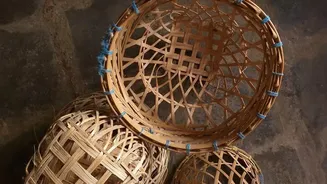
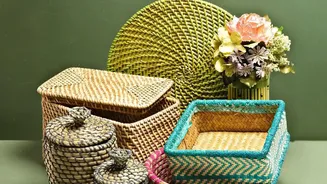
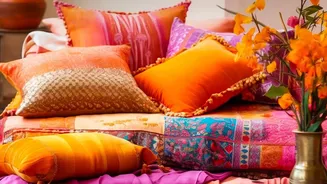
Several specific crafts are finding new life in modern apartments. Terracotta, the humble baked earth craft, is seeing a major revival. Its earthy tones bring warmth and a rustic charm to contemporary spaces, used for everything from planters and decorative vases to kitchenware. Bamboo and cane are also incredibly popular for their lightweight and versatile nature, crafted into furniture, lampshades, and storage baskets that add a natural, airy feel. Handwoven textiles like Khadi and fabrics with traditional block prints from Rajasthan are being used for cushion covers, throws, and wall hangings, adding texture and a pop of colour. Even upcycled items, where artisans transform discarded materials into beautiful decor, are gaining traction, aligning perfectly with the principles of a circular economy.
Connecting with Heritage in a Modern Way
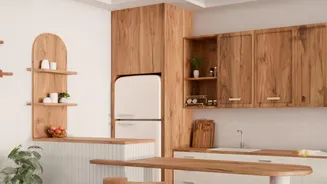
For many young Indians, incorporating handicrafts into their homes is a way of reconnecting with their cultural heritage, but with a contemporary twist. They aren't looking to create a museum-like space filled with antiques. Instead, they are skillfully blending traditional pieces with modern design. A hand-carved wooden jharokha might frame a modern art print, or a classic rosewood table might be surrounded by sleek, minimalist chairs. This approach allows them to honour craftsmanship and tradition without sacrificing a fresh, personal style. Digital platforms like Instagram and Pinterest have become visual libraries, helping them discover and reinterpret these crafts in ways that feel both globally relevant and deeply personal.
More Than Just an Aesthetic
Ultimately, the turn towards eco-friendly handicrafts is about more than just a passing trend. It signifies a move toward more conscious consumerism. By choosing these items, Gen Z is not only creating beautiful and unique living spaces but also supporting local artisans and preserving age-old skills. This choice provides sustainable livelihoods for craft communities, ensuring that traditions passed down through generations continue to thrive. Each handcrafted piece carries the imprint of its maker and a story of its origin, transforming a simple apartment into a home that is meaningful, responsible, and a true reflection of the owner's values.