



An Awakening of the Senses
Most travel plans in India are hastily cancelled at the first sign of a dark cloud. The monsoon is often seen as a season of inconvenience—of muddy roads, cancelled flights, and damp clothes. But for those willing to shift their perspective, it is a period
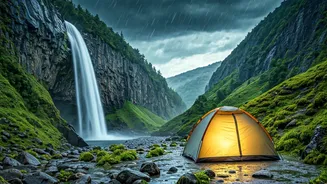
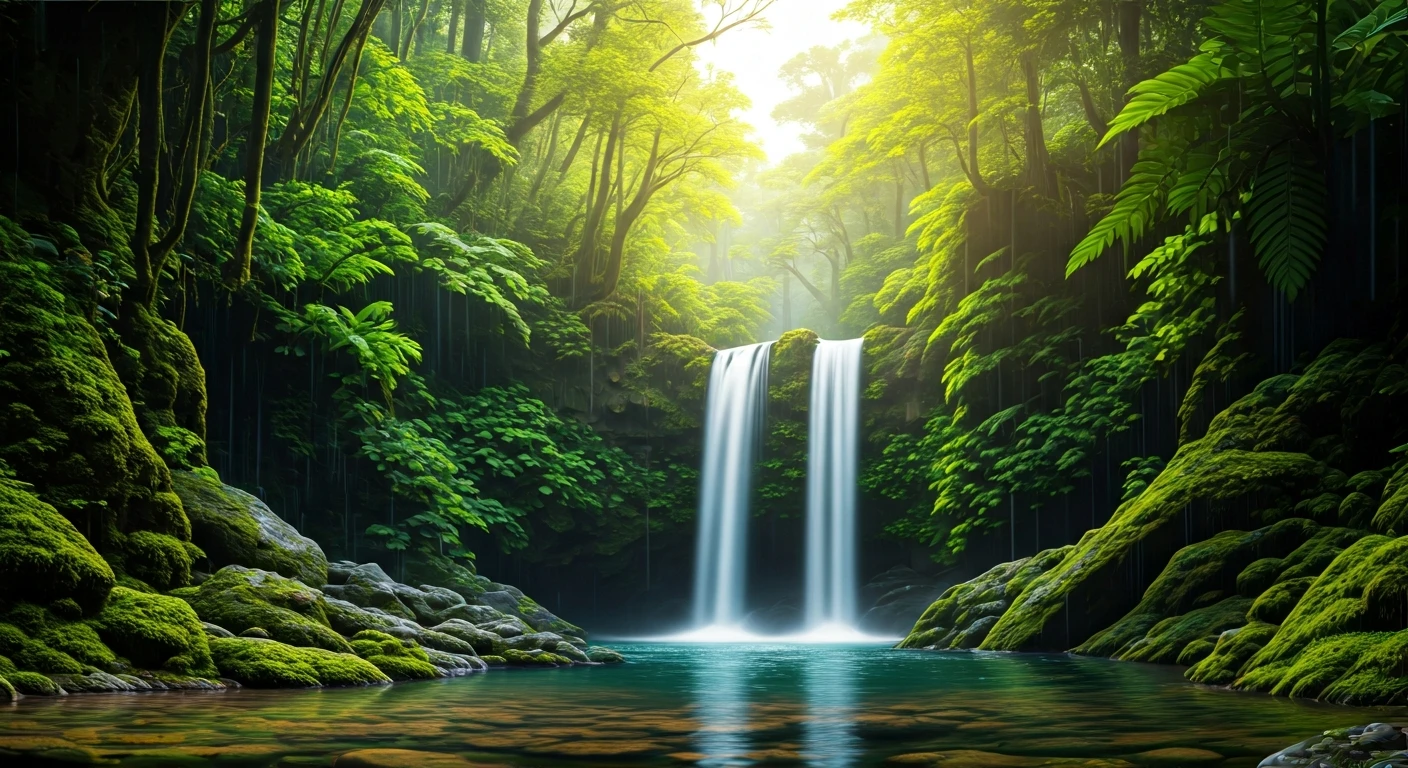
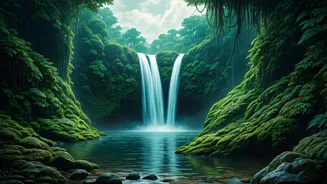
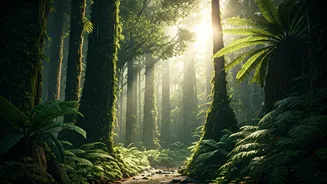
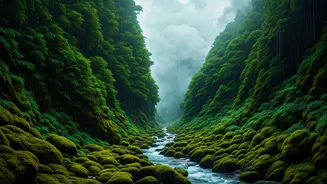
of profound transformation and sensory delight. The true magic unfolds not in the cities, but deep within our forests. The first rains release that intoxicating earthy scent, petrichor, which hangs heavy in the air. The landscape, parched and weary from the summer heat, explodes into a thousand shades of impossible green. The constant, rhythmic drumming of rain on leaves becomes a soothing soundtrack, punctuated by the chorus of croaking frogs and chirping insects. It's an immersive experience that no sunny day can replicate.
The Majestic Western Ghats
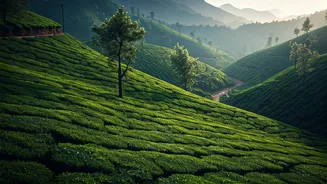
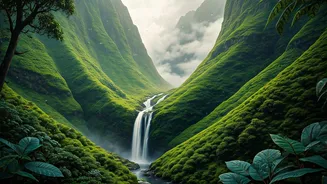
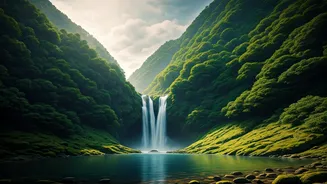
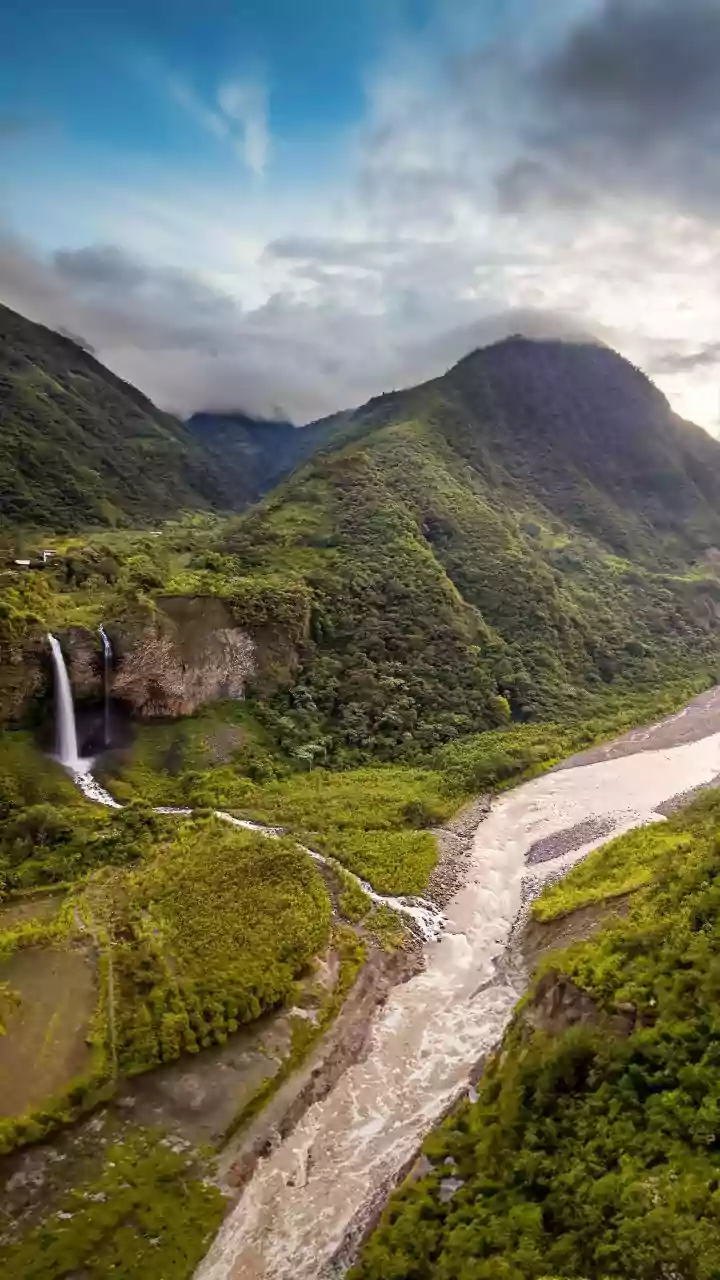
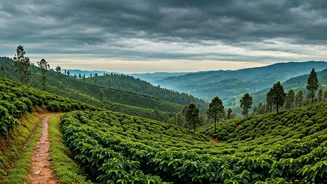
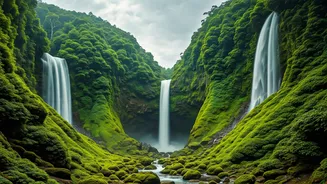
Perhaps no place showcases the monsoon's glory better than the Western Ghats. This UNESCO World Heritage site, stretching across states like Kerala, Karnataka, and Maharashtra, becomes a verdant paradise. Hill stations like Coorg and Wayanad shed their tourist-season skin and reveal a misty, ethereal charm. The coffee and spice plantations glisten with raindrops, and every stream swells into a gushing, energetic waterfall. Driving through Malshej Ghat in Maharashtra during the rains feels like moving through the clouds themselves, with dozens of waterfalls cascading directly onto the road. Treks that are popular but crowded in winter become solitary journeys into a lush wilderness, where the mist plays hide-and-seek with the mountains. The air is crisp, the views are dramatic, and the experience is nothing short of spiritual.
Meghalaya’s Living Landscapes
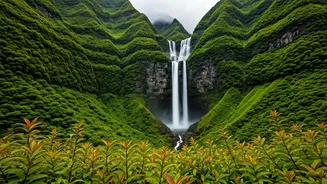
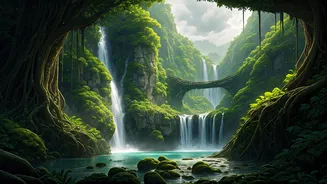
Further east, in the 'abode of clouds', the monsoon is not just a season; it's a way of life. Meghalaya, home to some of the wettest places on Earth like Cherrapunji and Mawsynram, offers a unique spectacle. This is where you can witness the famous living root bridges, marvels of bio-engineering by the Khasi tribes, in their full, moss-covered glory. The rain feeds the landscape, turning rivers into powerful torrents and creating stunning waterfalls like Nohkalikai and the Seven Sisters Falls. The entire region is draped in a permanent, moving mist, creating an atmosphere of mystery and wonder. Here, the rain isn't something to be escaped; it is the force that sculpts the land and defines its very character. Travelling here during the monsoon is to see nature at its most powerful and creative.
The Perks of Off-Season Peace
Beyond the sheer beauty, monsoon travel comes with a host of practical benefits. The biggest one? The lack of crowds. Popular destinations that are overrun during peak season become quiet, serene retreats. This allows for a more intimate and authentic connection with the place. You're no longer just a tourist in a long queue; you're a traveller experiencing a destination as the locals do. This 'off-season' status often translates into significant savings. Hotels and resorts, eager to fill rooms, offer attractive discounts. You can often stay at a premium property for a fraction of the winter price, enjoying luxury amenities with a stunning rainy backdrop. It’s the perfect recipe for a rejuvenating escape without breaking the bank.
Embracing the Downpour Smartly
Of course, a monsoon adventure requires a bit of preparation. The key is not to fight the rain but to embrace it with the right gear. A reliable waterproof jacket, quick-drying clothes, and sturdy, anti-slip footwear are non-negotiable. It’s also wise to pack a waterproof bag or cover for your electronics and a small medical kit with antiseptic for any potential scrapes. Be mindful of leeches on forest trails—tucking your trousers into your socks can help. Most importantly, stay flexible. Landslides can sometimes block roads, so having a buffer day in your itinerary is a good idea. Check local advisories before you travel and always prioritise safety, especially near swollen rivers and waterfalls.