







A recent move by the Food Safety and Standards Authority of India (FSSAI) has put the quality of packaged drinking water back in the spotlight. For millions who rely on bottled water daily, this raises important questions about what's really inside.
FSSAI's Role in Water Safety
The
FSSAI is India's primary food regulator, responsible for setting and enforcing the standards for most food and beverage products, including packaged drinking water. Its mandate covers everything from the source of the water to the final sealed bottle. The authority conducts tests for a wide range of parameters to ensure the water is safe for consumption. These include physical checks for colour and odour, microbiological tests for harmful bacteria, and, crucially, chemical tests for contaminants like heavy metals and pesticide residues. Since early 2026, FSSAI has implemented a new, stricter testing scheme that classifies packaged water as a 'high-risk' food category, requiring more frequent and thorough checks.
Chemicals of Concern: Bromate and PAHs
Recent regulatory attention has focused on specific chemical by-products that can appear during the water treatment process. One major chemical is bromate. It can form when ozone, a powerful disinfectant used to kill germs, reacts with naturally occurring bromide found in source water. While ozonation is an effective purification method, it must be carefully controlled to keep bromate levels in check. The International Agency for Research on Cancer (IARC) classifies bromate as a possible human carcinogen, and long-term exposure has been linked to kidney issues in animal studies. Another group of chemicals under scrutiny is Polynuclear Aromatic Hydrocarbons (PAHs). These can enter the environment from industrial pollution and incomplete combustion and are also associated with serious health concerns.
What the Latest Findings Revealed
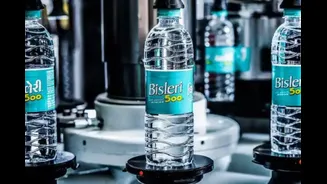
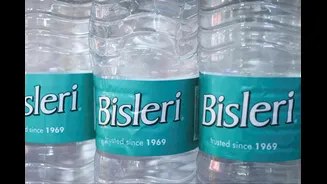
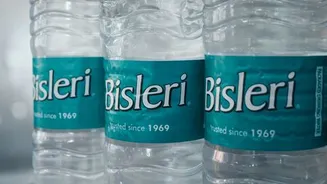
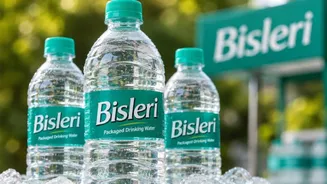
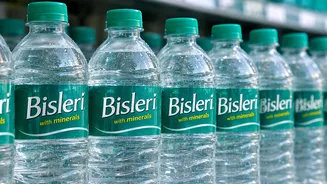
The latest discussions were triggered after FSSAI sanctioned prosecution against a major brand, Bisleri International, over a sample from its Goa facility. The sample, collected in September 2025, was initially found to have bromate levels of 12 micrograms per litre, which is above the permissible limit of 10 micrograms per litre. Following an appeal, a referral laboratory found bromate within limits but separately flagged the presence of PAHs, leading the regulator to declare the sample 'unsafe'. In response, FSSAI announced it would widen its scrutiny and collect samples from other major packaged water brands across the country to determine if this is an isolated incident or a broader industry issue.
Understanding New Compliance Rules
The regulatory landscape for packaged water has changed recently. In October 2024, FSSAI removed the requirement for a mandatory Bureau of Indian Standards (BIS) ISI mark for packaged water. However, this did not eliminate quality checks. Instead, from January 1, 2026, it was replaced by a new FSSAI-led testing scheme. This scheme mandates that manufacturers get their water tested regularly at FSSAI-notified, NABL-accredited labs and maintain detailed records. This places the responsibility squarely on the manufacturers to prove their products meet safety standards. So, while you may no longer see an ISI mark on every bottle, it doesn't mean the water is unregulated. The key identifier of a legitimate product now is the FSSAI license number.
How Consumers Can Stay Safe
While regulators do their part, consumers can also take steps to ensure the water they buy is safe. The most important habit is to check the packaging carefully. Always look for the FSSAI logo and the 14-digit license number printed on the label. You can instantly verify this number using FSSAI's online portal (FoSCoS) or even their WhatsApp chatbot service. Also, check the manufacturing and 'best before' dates, and ensure the bottle's seal is intact and not tampered with. If you find a product with a missing license number, a broken seal, or unclear labelling, it's best to avoid it and report it to the authorities. Relying on brand familiarity alone is not enough; active verification is the best way to protect your health.