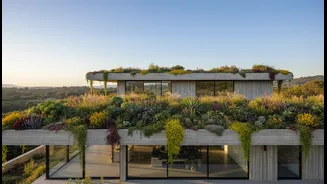









From Concrete Box to Green Oasis
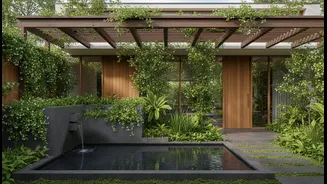
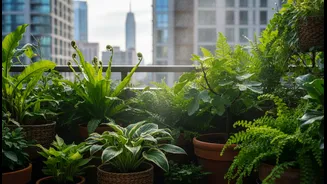
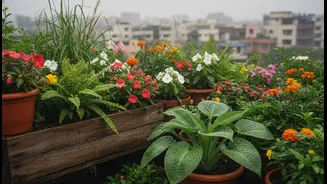
The aesthetic shift is the first and most obvious benefit. A bare concrete roof can be visually harsh, but with the addition of a garden, it becomes a lush, inviting space. The greenery softens the hard architectural lines, adding colour, texture, and life
that changes with the seasons. It transforms a purely functional structure into a visual retreat, a small piece of nature perched atop the urban landscape. This isn't just about hiding the concrete; it's about complementing it, creating a dynamic contrast between the built and natural environments that is visually appealing and adds significant character to a home.
A Natural Air Conditioner
In a country like India where cities often experience intense heat, a rooftop garden acts as a powerful, natural insulator. The layer of soil and vegetation shields the concrete roof from direct sunlight, preventing it from absorbing and radiating heat into the home below. This process, combined with the cooling effect of evapotranspiration from the plants, can significantly lower indoor temperatures. Research shows green roofs can reduce surface temperatures by as much as 30°C compared to conventional roofs. This translates to less reliance on air conditioning, leading to lower energy bills and a more comfortable living environment, especially during peak summer months.
Your Private Sanctuary for Well-being
Beyond the visuals and temperature control, a rooftop garden offers profound benefits for mental health. It provides a peaceful escape from the hustle and bustle of city life. Studies have consistently shown that exposure to green spaces can reduce stress, anxiety, and feelings of depression. Having a personal garden to tend to, or simply a green space to relax in, encourages a connection with nature that is often lost in urban settings. This can improve mood, enhance focus, and provide a sense of tranquility, turning your home into a true sanctuary.
More Than Just a Pretty Space
The benefits extend beyond the individual home to the wider environment. Rooftop gardens help combat the Urban Heat Island (UHI) effect, where cities are significantly warmer than surrounding rural areas. They improve air quality by filtering pollutants and producing oxygen. Furthermore, they play a crucial role in stormwater management by absorbing rainfall, which reduces runoff and eases the burden on city drainage systems, a critical function during heavy monsoons. A single rooftop garden contributes to creating a more resilient and sustainable urban ecosystem, supporting biodiversity by providing a habitat for birds and insects.
Getting Started: Key Considerations
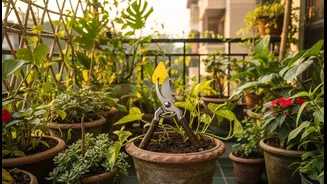
Transforming your roof into a garden requires some planning. The first step is a structural assessment to ensure the roof can bear the additional weight of soil, planters, and water. Professional waterproofing is non-negotiable to prevent leaks and structural damage. Proper drainage systems must be installed. Plant selection is also key; opt for species that are well-suited to your local climate, considering factors like intense sun and wind. In India, hardy plants like bougainvillea, hibiscus, lemongrass, and various succulents are excellent choices. Starting with lightweight pots and a simple irrigation system can be a great entry point.