

The Humble Hero of Indian Breakfasts
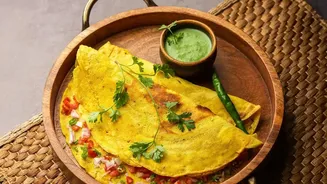
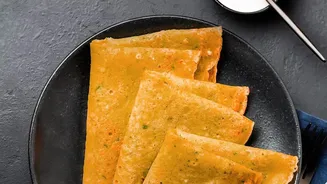
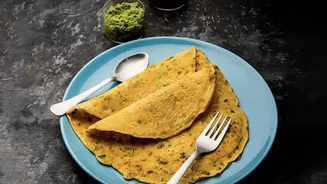
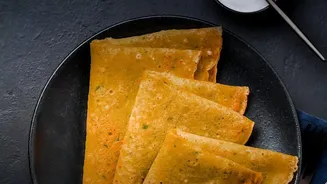
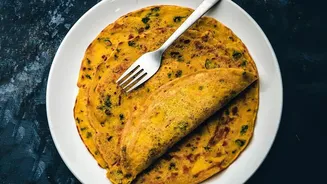
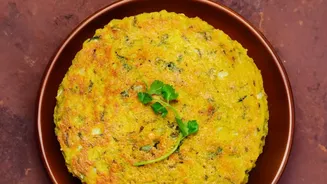
Known as chilla, cheela, or pudla in various parts of India, this savoury crepe is a household staple. While chillas can be made from various flours like besan (gram flour) or sooji (semolina), the version made from soaked and ground moong dal (split
and husked mung lentils) holds a special place. It’s naturally gluten-free and celebrated for its light texture and wholesome nature. The batter, created from lentils soaked for just a few hours, requires no fermentation, making it a quick and reliable option for busy mornings or an impromptu evening snack.
A Powerhouse of Nutrition
Moong dal chilla is more than just a tasty meal; it's a nutritional powerhouse. Moong dal is an excellent source of plant-based protein, which is essential for muscle repair and provides sustained energy. It's also rich in dietary fibre, which aids digestion, promotes a feeling of fullness, and can support weight management. With a low glycemic index, it helps in regulating blood sugar levels, making it a great choice for a balanced diet. Furthermore, these lentils are packed with essential minerals like potassium, magnesium, iron, and various B vitamins, contributing to overall heart health and vitality.
Crafting the Perfect Batter
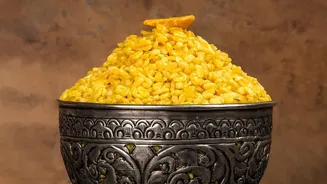
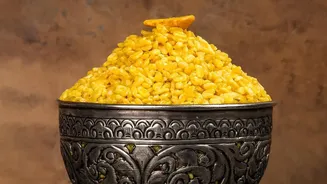
The secret to a great chilla begins with the batter. Start by rinsing one cup of yellow moong dal thoroughly and soaking it in water for at least three to four hours, or even overnight. Once soaked, the dal will swell in size. Drain the water completely and transfer the lentils to a blender. To the dal, add flavour-enhancing ingredients like a small piece of ginger, one or two green chillies, and cumin seeds. Blend these with a small amount of water until you achieve a smooth, pourable consistency, similar to that of a dosa batter. It's crucial not to make the batter too thin, as this will result in softer chillas, while a batter that's too thick will be difficult to spread.
The Secret to a Crispy Chilla
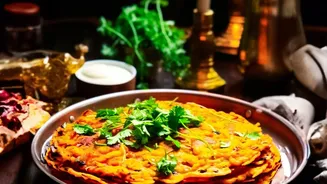
Achieving that coveted crispy texture is an art, but a simple one to master. First, ensure your tawa or non-stick pan is sufficiently hot before pouring the batter. A medium-high heat works best. For an extra crisp, some recipes suggest adding a tablespoon or two of rice flour or semolina (soji) to the batter. When you pour the batter, use the back of a ladle to spread it thinly in a circular motion. Drizzle a little oil or ghee around the edges and cook for a couple of minutes until the top appears set and the bottom is golden brown. Flip and cook the other side for another minute or two until you see golden spots. Cooking on a consistent medium heat helps develop that perfect crispness.
Variations and Delicious Fillings
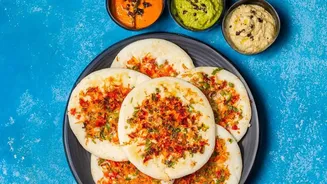
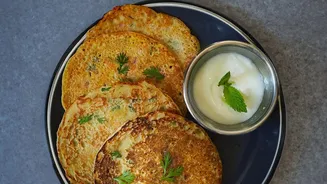
While a plain moong dal chilla is delightful on its own, it also serves as a versatile canvas for various additions. Finely chopped onions, tomatoes, grated carrots, and fresh coriander leaves can be mixed directly into the batter for added texture and nutrition. For a more substantial meal, you can add a filling just before folding the chilla. A popular choice is a simple stuffing of crumbled paneer seasoned with chaat masala. Other options include a medley of sautéed vegetables like capsicum and cabbage, a spicy potato mixture, or even shredded cheese for a modern twist.
How to Serve and Enjoy
Moong dal chillas are best served hot, straight off the tawa. They pair wonderfully with a variety of accompaniments. Classic pairings include green coriander-mint chutney, tangy tamarind chutney, or simply a bowl of plain curd. For a complete and protein-rich meal, you can serve them alongside a portion of paneer bhurji (scrambled paneer). Whether you're enjoying them as a light breakfast, a filling lunch, or a healthy evening snack with a cup of tea, these golden, crispy crepes are sure to become a favourite in your home kitchen.