





What Exactly Is NEAT?
Non-Exercise Activity Thermogenesis (NEAT) is the energy your body uses for everything you do that isn't formal exercise, eating, or sleeping. It covers a wide range of activities, from the energy spent walking to your car, doing household chores, typing
at your computer, and even fidgeting in your chair. While each action seems minor, their cumulative effect on your daily calorie burn can be substantial. Think of it as all the 'in-between' movement that keeps your body active and your metabolism ticking over, separate from a planned 30-minute run or weightlifting session.
Why NEAT Matters for Your Health
Increasing your NEAT is about more than just burning a few extra calories. A more active lifestyle, fueled by these small movements, contributes significantly to overall health. Research shows that prolonged periods of sitting can negatively impact enzymes crucial for fat metabolism. By simply breaking up sedentary time, you help your body manage blood sugar and insulin levels more effectively, which is particularly beneficial after meals. Higher levels of NEAT are linked to better weight management, a reduced risk of cardiovascular disease, and increased longevity. In fact, studies suggest that individuals with higher NEAT can burn hundreds of extra calories per day compared to their more sedentary counterparts.
Embrace the Standing Desk
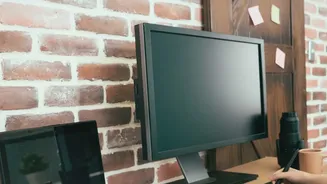
If you work a desk job, one of the most effective ways to increase NEAT is to stand more and sit less. Simply standing requires more muscle engagement for stability than sitting, which boosts your metabolism. A standing desk allows you to easily switch between sitting and standing throughout the day. If a dedicated standing desk isn't an option, try to find other opportunities to get on your feet. Make it a habit to stand up while taking phone calls or during meetings. The goal is to consciously reduce the long, uninterrupted hours spent in a chair.
Turn Chores into Opportunities
Household chores can be reframed as a great source of NEAT. Activities like vacuuming, scrubbing floors, carrying laundry baskets, and gardening involve twisting, reaching, and lifting, all of which expend energy. To maximize the benefit, you can intentionally make these tasks more active. For instance, take multiple trips to put away laundry instead of trying to carry it all at once, or choose to handwash some dishes before loading the dishwasher. Even simple acts like organizing a closet or weeding the garden contribute to your daily movement total.
Walk and Talk
Incorporate walking into activities you already do. Instead of sitting down for a phone call, pace around your home or office. If you need to speak with a colleague, walk over to their desk instead of sending an email. These small walking breaks add up significantly. You can also apply this to your commute by parking farther from your office entrance or getting off public transport one stop early to walk the remaining distance. Even a short walk after a meal can aid digestion and increase your energy expenditure.
Fidget with Purpose
It may sound trivial, but even small, spontaneous movements like fidgeting can increase your daily calorie burn. Tapping your feet, shifting your position in your chair, or stretching frequently are all examples of NEAT. While you might not consciously decide to fidget, you can create an environment that encourages it. Set a timer to remind yourself to stand up and stretch every 30 minutes. These 'movement prompts' help break the cycle of stillness and keep your metabolism active.