




The Shift from Restriction to Moderation
For years, the pre-festival health advice often involved a long list of 'don'ts'—no sweets, no fried snacks, no rich curries. This all-or-nothing approach frequently leads to feelings of deprivation, making it harder to maintain a positive relationship
with food. Nutrition experts now increasingly advocate for a more balanced strategy. The conversation is shifting from strict prohibition to mindful moderation. This approach acknowledges that festive foods are deeply tied to culture and emotion, and completely avoiding them is neither practical nor enjoyable. The goal is no longer to fear festive delicacies but to make conscious choices that allow for indulgence without the subsequent guilt and negative health impacts.
Why Portion Control is the New Mantra
Portion control is a simple yet powerful tool for navigating the festive season. Unlike complicated calorie counting, it's an intuitive way to manage intake. By being mindful of serving sizes, you can sample a variety of dishes without overeating. This prevents the common cycle of overindulgence followed by extreme restriction. Using smaller plates, for example, can psychologically guide you toward smaller servings. Another effective technique is the 'one-sweet rule', where you pick your absolute favourite mithai and savour it fully, rather than mindlessly tasting everything on offer. Experts note that even for dishes we can't resist, the first few bites often provide the most satisfaction, making a smaller portion just as enjoyable.
Building a Balanced Festive Plate
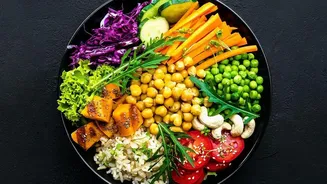
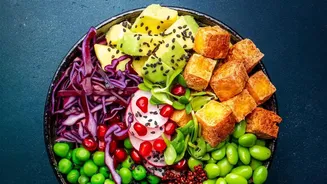
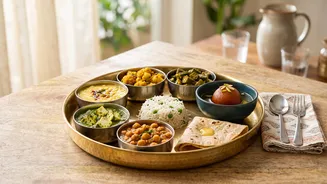
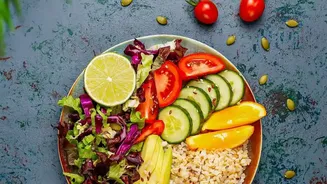
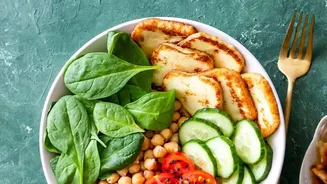
A practical way to implement portion control is by structuring your plate strategically. Nutritionists suggest a simple 'plate method' for a balanced meal. Fill half of your plate with vegetables or a fresh salad. These high-fibre options add bulk and aid digestion, helping you feel fuller. Dedicate one-quarter of the plate to a protein source like dal, paneer, chana, or lean meat. Protein increases satiety and helps prevent overeating later. The final quarter can be for carbohydrates such as rice, roti, or pulao. This method ensures you get essential nutrients while still leaving room to enjoy the festive flavours in moderation.
Mindful Eating for Greater Satisfaction
Beyond just how much you eat, how you eat plays a crucial role. The practice of mindful eating encourages you to pay full attention to your food—its taste, texture, and aroma. Eating slowly and chewing thoroughly gives your body time to register feelings of fullness, which can prevent you from getting a second helping you don't truly need. It's also wise not to arrive at a celebration feeling starved, as this often leads to overeating. Having a light, healthy snack like fruit, yoghurt, or a handful of nuts before heading to a party can curb extreme hunger and help you make more deliberate choices at the dinner table.
Smart Swaps and Post-Feast Recovery
While portion control is key, making small, healthy swaps can also enhance the nutritional value of festive meals without sacrificing taste. This could mean opting for baked or air-fried versions of snacks instead of deep-fried ones, or using natural sweeteners like jaggery in homemade sweets. Staying hydrated with water instead of sugary drinks is another simple but effective strategy. If you do happen to overindulge, the key is to avoid guilt and return to your regular routine the next day. Focus on light, home-cooked meals, plenty of water, and gentle physical activity like walking to help your body reset naturally.