






The Danger of a Humid Heatwave
During India's summer, we are accustomed to tracking dry heatwaves, but the most dangerous threat can often arrive cloaked in monsoon clouds. This is because of a crucial factor: humidity. High humidity during the monsoon season makes the air thick with
water vapour. Our primary cooling mechanism is sweating; as sweat evaporates from our skin, it takes heat with it. But when the air is already saturated with moisture, this evaporation process slows down dramatically or stops altogether. Your body continues to produce sweat, but it can't cool you down effectively. This is why a 35°C day with high humidity can feel far more dangerous than a 42°C day with dry air. This combination of heat and humidity puts immense strain on the body, which can lead to severe health issues.
Understanding Wet-Bulb Temperature
To accurately measure the stress of humid heat, experts are increasingly looking at a metric called wet-bulb globe temperature (WBGT). Unlike the standard temperature or even the heat index—which combines temperature and humidity in the shade—WBGT also accounts for wind speed and, crucially, direct sun exposure. It essentially measures the lowest temperature your skin can reach through sweating. As the wet-bulb temperature rises, the body's ability to cool itself diminishes. Once it reaches a certain threshold, even healthy individuals at rest can experience severe heat stress. Studies have shown that parts of India are already experiencing dangerous wet-bulb conditions, particularly during monsoon-break periods when temperatures rise amid high moisture. This makes understanding this metric vital for public safety.
Who Is Most at Risk?
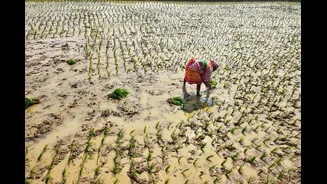
While humid heat affects everyone, some groups are particularly vulnerable. The elderly, infants, and young children have more difficulty regulating their body temperature. People with chronic health conditions, especially heart, lung, or kidney diseases, are also at higher risk because the heat puts extra strain on their organs. Outdoor workers, such as farmers, construction labourers, and street vendors, face prolonged exposure, significantly increasing their chances of suffering from heat-related illnesses. Their bodies are under constant stress to cool down in conditions where it is physically difficult to do so. Recognising this vulnerability is the first step toward community-wide prevention and care.
Practical Steps for a Safer Monsoon
Staying safe during a humid heatwave requires a different approach than simply staying in the shade. The National Disaster Management Authority (NDMA) and other health bodies recommend several strategies. Prioritise ventilation at home by opening windows to create cross-breezes, especially during cooler parts of the day. Wear lightweight, loose-fitting cotton clothing to allow whatever little evaporation is possible. Adjust your daily schedule to avoid strenuous activity during the peak heat hours, typically from noon to 4 p.m. It is also wise to eat lighter, smaller meals, as heavy foods can increase your body's metabolic heat. Staying hydrated is critical, but don't just drink water; ensure you are replenishing electrolytes lost through sweat with things like oral rehydration solutions (ORS), coconut water, or nimbu pani. Be alert for early signs of heat stress like headaches, dizziness, muscle cramps, or excessive sweating.