




The Spectacle of 2026
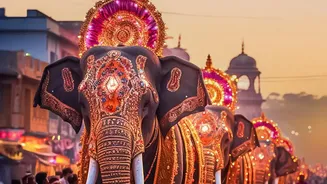
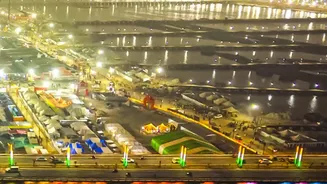
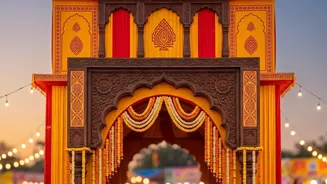
The Pushkar Mela for 2026 is officially scheduled from November 17th to November 24th, transforming the desert landscape into a vibrant hub of activity. These dates are not arbitrary; they are determined by the Hindu lunar calendar, designed to culminate
on Kartik Purnima, the auspicious full moon night on November 24th. In the days leading up to the main event, the fairgrounds swell with the arrival of traders, pilgrims, and tourists from around the globe. The initial days focus heavily on the livestock trade, while the latter half shifts towards cultural events and religious observances.
The Great Livestock Trading
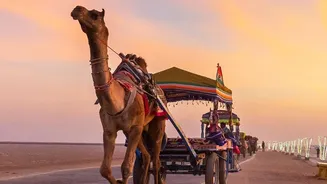
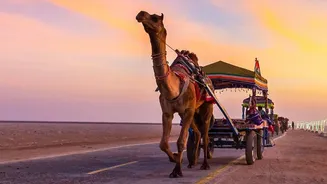
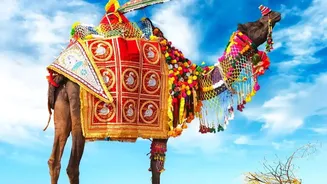
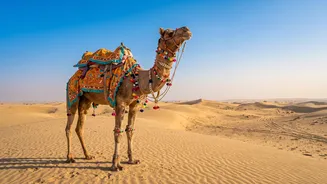
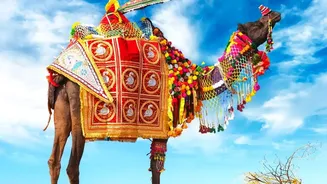
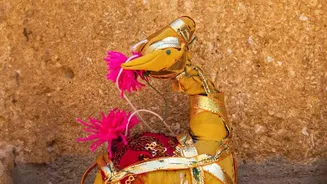
At its heart, the Pushkar Mela is one of the world's largest camel fairs, a tradition rooted in the practical needs of desert life. For centuries, herders from across Rajasthan and neighbouring states have gathered here to trade camels, horses, and cattle. Even today, the fair is a critical event for these communities. Tens of thousands of animals are bought and sold in a flurry of negotiation that has remained largely unchanged for generations. Visitors can witness camels adorned in colourful tassels and intricate decorations, a visual testament to the owner's pride and a key part of events like camel beauty pageants and dances.
A Sacred Pilgrimage
The fair's timing is inextricably linked to its profound religious significance. According to Hindu mythology, the sacred Pushkar Lake was created when the god Brahma dropped a lotus flower to the earth. The town is home to one of the world's very few temples dedicated to Brahma. The fair culminates on Kartik Purnima, a day when it is believed that taking a holy dip in the lake's waters can wash away sins and grant salvation. As the full moon approaches, thousands of pilgrims throng the 52 bathing ghats that ring the lake, performing rituals, offering prayers, and floating lamps on the water in an evening spectacle known as Maha Aarti.
A Cultural Kaleidoscope
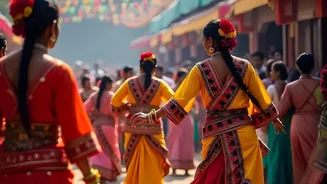
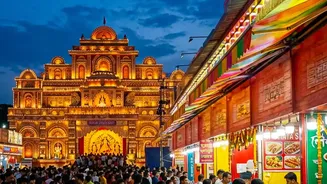
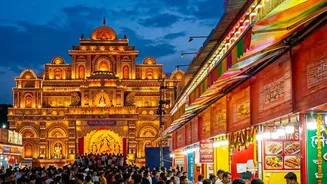
Beyond the trading and the prayers, the Pushkar Mela is a non-stop cultural festival. The air fills with the sound of traditional Rajasthani folk music, with performances by hereditary musician communities like the Langas. The fairgrounds host a dizzying array of competitions and events, from the quirky 'longest moustache' competition and turban-tying contests to more strenuous tug-of-war matches and kabaddi games. There are also vibrant displays of Kalbeliya and Ghoomar folk dances, puppet shows, and bustling handicraft bazaars selling everything from silver jewellery to embroidered textiles.
An Enduring Tradition
The Pushkar Mela's unique appeal lies in this seamless blend of the sacred and the spectacular. It is a place where a herder who has just sold his camels will bathe on the same ghat as a pilgrim who has travelled hundreds of miles. This fusion of commerce, faith, and festivity is what has made the event famous worldwide. While it has grown into a major tourist attraction, with modern additions like hot air balloon rides, it has not lost its original soul. The fair remains a living, breathing exhibition of Rajasthan's enduring cultural and spiritual heritage.