








Beyond the One-Page Resume
For decades, the single-page resume has been the key that unlocks the interview room. It’s a concise summary of your education, experiences, and skills. But in a hyper-competitive job market where thousands of graduates have similar qualifications, a flat
document struggles to capture your true potential. This is where a dynamic portfolio comes in. Think of your resume as the trailer and your portfolio as the full movie. The resume lists your skills; the portfolio proves them. It’s a curated collection of your work, projects, and achievements that provides tangible evidence of your abilities, creativity, and problem-solving skills. HR leaders are increasingly looking for candidates who can demonstrate their value, not just list it. A well-crafted portfolio does exactly that, giving you an immediate edge over a stack of identical-looking CVs.
What Makes a Portfolio 'Dynamic'?
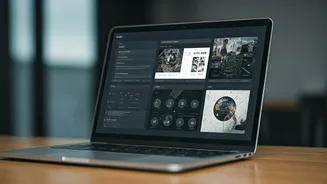
The word 'dynamic' is key. This isn't about printing out your projects and putting them in a folder. A dynamic portfolio is a living, digital-first entity that evolves with your career. It’s 'dynamic' because it can be updated in real-time with new skills, projects, and testimonials. It’s multi-format, incorporating everything from code snippets and design mockups to writing samples and presentations. Unlike a PDF resume you email once, a portfolio is often a public link (on platforms like LinkedIn, Behance, GitHub, or a personal website) that recruiters can explore at their own pace. This interactivity allows them to dive deep into the work you’re most proud of, offering a much richer and more engaging picture of who you are as a professional than any bullet point ever could.
Show, Don't Just Tell: Key Components
So, what goes into a powerful portfolio? The goal is to provide proof of your skills. For a tech graduate, this could be links to your GitHub repositories, a description of a coding project you built (including the problem you solved), or a demo of a simple app. For a marketing student, it might include a sample social media campaign you designed, a blog post you wrote, or a market research presentation you created for a college project. Design and communication graduates can showcase visual work, writing samples, or video projects. Don’t forget to include context for each piece: What was your role? What was the goal? What was the outcome? Including testimonials from professors, internship managers, or clients adds a powerful layer of social proof and credibility.
Choosing Your Digital Home
Where your portfolio lives is almost as important as what’s in it. You need a platform that is professional, easy to navigate, and appropriate for your field. For many, a well-optimised LinkedIn profile is the perfect starting point. The 'Featured' section allows you to pin your best work right at the top of your profile. For creative professionals like designers and artists, platforms like Behance or Dribbble are industry standard. For developers and software engineers, a clean GitHub profile is non-negotiable. For those who want maximum control over their personal brand, investing time in building a simple personal website using tools like Carrd, Wix, or WordPress can pay huge dividends. Choose one primary platform and direct recruiters there from your resume and other social profiles.
Maintenance Is Key: The 'Living' Document
A portfolio is not a 'set it and forget it' task. Its power lies in its currency. Make it a habit to update your portfolio every quarter or after completing a significant project, internship, or certification. Did you learn a new software? Add a small project demonstrating your proficiency. Did you receive positive feedback on a presentation? Add a summary and perhaps a testimonial. Regularly pruning older, less relevant work is also important to ensure your portfolio always showcases your best and most current self. This habit not only keeps you ready for unexpected opportunities but also encourages a mindset of continuous growth and self-reflection, which is one of the most valuable assets you can have in your career.