




What Exactly is Ambali?
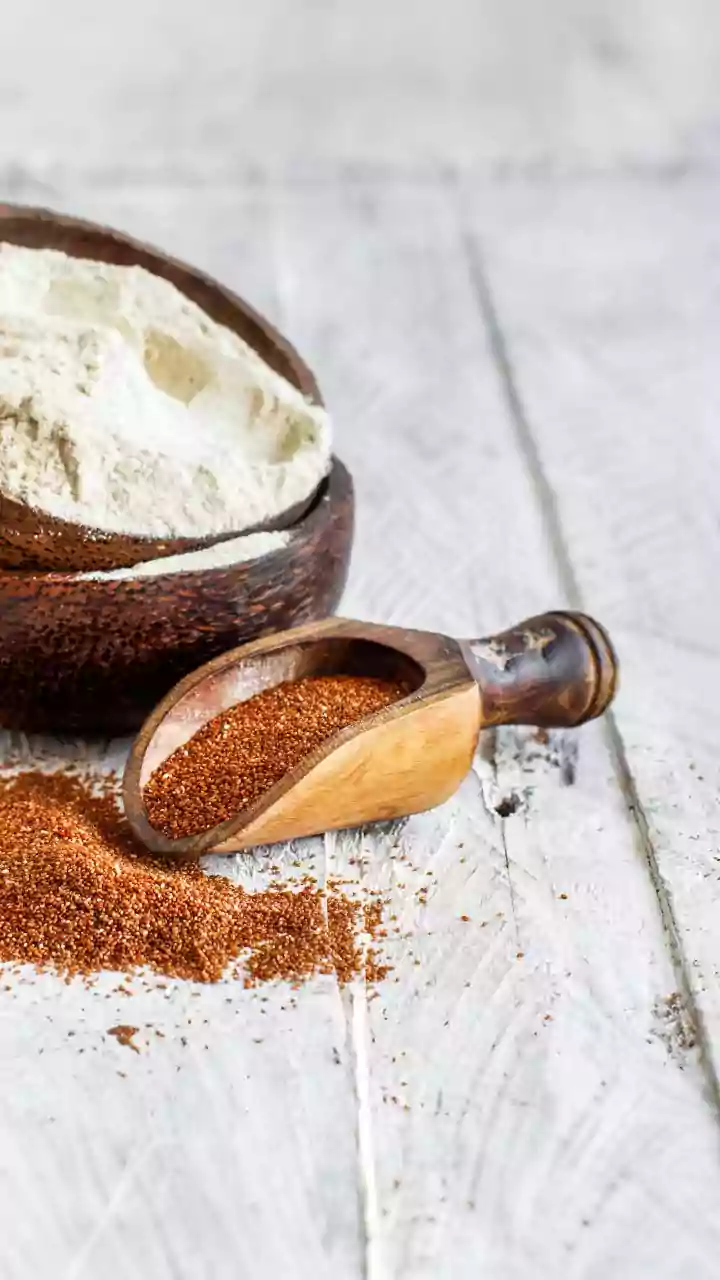
At its heart, Ambali is a simple, nutritious beverage made from finger millet, known as ragi. It is traditionally prepared by cooking ragi flour into a porridge, which is then allowed to ferment, typically overnight. This natural fermentation process
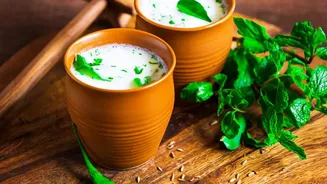
gives the drink its characteristic mild, sour taste. Historically a staple in states like Karnataka, Tamil Nadu, and Andhra Pradesh, this gruel was the original energy drink for farmers and labourers, providing sustained energy for a hard day's work under the sun. It's often served chilled and seasoned with buttermilk, salt, and finely chopped shallots or green chillies.
The Probiotic Powerhouse
The modern resurgence of Ambali is largely due to its impressive health credentials, which science is now beginning to validate. The key is the fermentation. This process turns the simple millet porridge into a rich source of natural probiotics—the beneficial bacteria that are crucial for a healthy gut. In a world increasingly obsessed with gut health, Ambali stands out as a homegrown alternative to Western favourites like kefir and kombucha. Beyond its probiotic benefits, ragi itself is a nutritional powerhouse. It is naturally gluten-free, rich in calcium, iron, and dietary fibre, which helps in managing blood sugar levels and promoting a feeling of fullness.
From Rural Staple to Urban Elixir
So, how did this rustic drink make the leap to stylish city cafes? Its journey is part of a larger movement towards rediscovering and celebrating India's indigenous ingredients and culinary traditions. Health-conscious urbanites are actively seeking local, sustainable, and nutrient-dense options, and Ambali fits the bill perfectly. While the soul of the drink remains the same, its urban avatar often gets a contemporary makeover. Cafes are serving it in chilled glasses, sometimes infused with herbs like mint or sweetened with jaggery, to appeal to modern palates. This modern presentation makes the traditional beverage more approachable for a younger audience that values both authenticity and aesthetic appeal.
A Taste of Authenticity and Wellness
The flavour profile of Ambali is unique and refreshing. It has an earthy base from the ragi, with a distinct tangy, sour note from the fermentation. Traditionally served savoury, this cooling drink is perfect for hot weather, helping to hydrate the body and replenish electrolytes. Ayurvedic tradition also considers ragi to have cooling properties, making Ambali a time-tested remedy for beating the summer heat. Its low calorie count, typically between 80-100 calories per glass, adds to its appeal as a light yet filling beverage. The drink's high fibre content also aids in digestion and can contribute to weight management.
More Than Just a Trend
The rise of Ambali in urban spaces is more than just a fleeting wellness trend; it signifies a deeper cultural shift. It represents a growing pride in India’s rich food heritage and a move away from relying solely on imported superfoods. By putting drinks like Ambali, Sol Kadhi, and Kanji on their menus, cafes are not just serving a beverage; they are serving a story of tradition, health, and identity. This revival connects a new generation to the wisdom of their ancestors, proving that sometimes the most effective health solutions are not found in a lab but have been in our own kitchens all along.