





The Trouble with Sugary Sodas
It’s easy to overlook the impact of what we drink, but regularly consuming sugar-sweetened beverages can take a toll on your health. These drinks are a major source of added sugars in our diet, offering plenty of calories with little to no nutritional
benefit. Studies have consistently linked daily soda intake to an increased risk of significant health problems. These include weight gain, poor blood sugar control, and a higher likelihood of developing type 2 diabetes. Furthermore, the high sugar content can lead to inflammation and increased levels of bad cholesterol, contributing to a greater risk for heart disease. Even the acids present in these fizzy drinks can be detrimental, potentially leading to dental erosion and kidney issues over time. Making a conscious decision to reduce or eliminate these drinks is a powerful first step toward better overall wellness.
The Traditional Choice: Kokum Coolers
Before carbonated drinks became ubiquitous, India had its own repertoire of traditional coolers, with kokum sherbet being a star. Derived from the Garcinia indica fruit, native to the Western Ghats, kokum is celebrated for its cooling properties. It has long been used in Ayurveda as a digestive aid, helping to soothe acidity and improve appetite. Modern research highlights its rich profile of antioxidants, particularly garcinol and hydroxycitric acid (HCA), which help combat cellular damage. Studies suggest these compounds may also possess anti-inflammatory and cardioprotective benefits. Best of all, a homemade kokum cooler is both delicious and incredibly simple to prepare.
Simple Kokum Sherbet Recipe
You can create a concentrate that will last for weeks in the refrigerator. Start by soaking about one cup of dried kokum peels in two cups of warm water for a couple of hours until they soften. Once soft, you can blend the kokum and the soaking water into a smooth paste. Strain this mixture through a sieve to get a smooth liquid. In a pan, create a simple sugar syrup by boiling a cup of sugar with a cup of water until the sugar dissolves. Add the strained kokum liquid to the syrup. Flavour it with a teaspoon of roasted cumin powder and a pinch of black salt. Let it simmer for about five to ten minutes until it thickens slightly. Cool the concentrate completely before storing it in a clean, airtight glass bottle. To serve, simply mix two to three tablespoons of the concentrate into a glass of chilled water, stir well, and enjoy.
Nutrient-Packed Smoothies
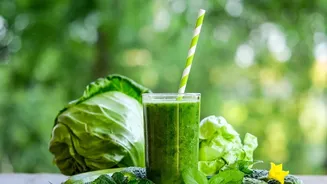
A smoothie is more than just a drink; it's a meal in a glass. It’s a fantastic way to replace a sugary soda with something that provides sustained energy, fibre, vitamins, and minerals. The key to a great smoothie is using frozen fruit, which creates a thick, creamy texture without watering down the flavour like ice can. A good starting point is a 2:1 ratio of frozen fruit to liquid. You can use Indian staples like mango and banana as a base, and for liquid, choose from water, milk, almond milk, or coconut water. To boost the nutritional value and make it more filling, consider adding a scoop of Greek yogurt for protein, a handful of spinach (you won't taste it!), or a tablespoon of chia seeds for fibre and healthy fats.
Versatile Homemade Smoothie Ideas
The beauty of smoothies is their versatility. For a classic tropical flavour, blend one cup of frozen mango chunks, half a frozen banana, half a cup of plain yogurt, and one cup of water or coconut water. If you prefer berries, try a mix of frozen strawberries and blueberries with spinach, a scoop of protein powder, and almond milk. Don't be afraid to experiment with different combinations. Adding a spoonful of nut butter can provide healthy fats and make your smoothie more satisfying, while a dash of lime juice can brighten the flavour of fruit-heavy blends. Within minutes, you have a wholesome and delicious drink that actively contributes to your health.
The Comfort of Herbal Teas
Herbal teas are a fantastic zero-calorie, hydrating option that can be enjoyed hot or cold. They come with a wide array of health benefits depending on the herbs used. Tulsi (Holy Basil) tea, for example, is a revered adaptogen in Ayurveda that helps the body manage stress. Studies have shown it can help soothe tension, support the immune system, and aid in detoxification. Another popular and potent choice is a simple ginger and lemon tea. Ginger is well-known for its ability to aid digestion, reduce nausea, and fight inflammation, while lemon provides a healthy dose of vitamin C. This combination can also help relieve stress and support weight management. Brewing these teas at home is as easy as steeping the fresh ingredients in hot water for a few minutes.