
A Memory from Safdarjung Road
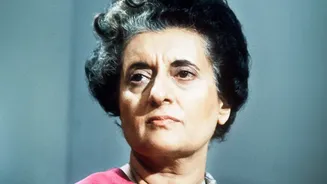
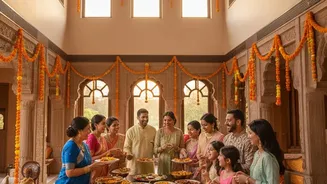
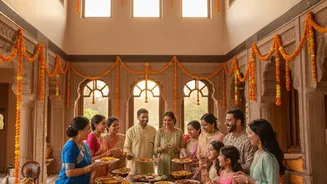
In a recent conversation with her daughter Priyanka and granddaughter Miraya, Sonia Gandhi revisited fond memories of celebrating Diwali at 1, Safdarjung Road, the former residence of her mother-in-law, Indira Gandhi. She described a time when the festivities
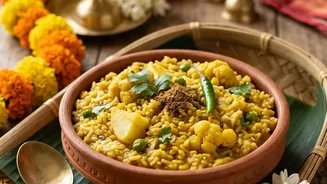
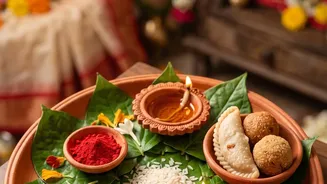
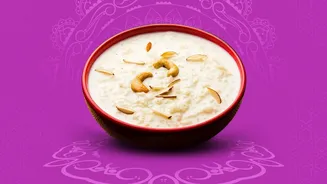
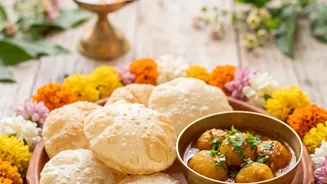
were illuminated not by electric lights, but by countless diyas placed carefully around the garden, pond, and verandas. Amidst these recollections of a beautifully lit home and trips to Chandni Chowk for firecrackers, a distinct culinary memory stood out. "On festivals, we always used to have Kashmiri food and that sweet rice," she recalled, adding a detail that speaks volumes about the endurance of tradition: "which we still make, by the way." This simple statement transforms a nostalgic detail into a living legacy, a flavour that has journeyed with the family through generations.
The Significance of Kashmiri Tehar
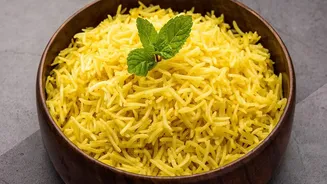
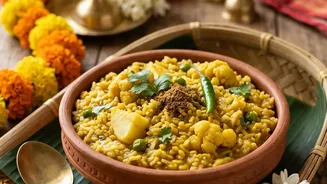
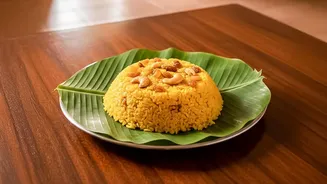
While Sonia Gandhi did not name the specific dish, her description points towards a beloved preparation from Kashmir, likely 'Tehar' or 'Tahri', a yellow rice dish that holds deep cultural and spiritual significance. Though there are many regional variations, in Kashmiri Pandit households, Tehar is more than just food; it's an offering, a prayer, and a form of thanksgiving. Made with rice, turmeric, and enriched with ghee or mustard oil, it is traditionally prepared on auspicious occasions like birthdays and festivals. The vibrant yellow from the turmeric is considered a symbol of good fortune and prosperity. Often, after a puja, the rice is offered as 'naveed' (prasad) and distributed among family and even offered to birds, embodying a spirit of gratitude and community. Its preparation by both Hindu and Muslim communities in Kashmir also makes it a symbol of the region's composite culture.
Embracing a New Culture Through Cuisine
The Gandhi family's connection to this dish is rooted in their Kashmiri Pandit heritage through Jawaharlal Nehru. For Sonia Gandhi, an Italian who moved to India after her marriage to Rajiv Gandhi in 1968, embracing such traditions was a significant part of her journey into a new family and a new country. She has often spoken about how much she learned from her mother-in-law, Indira Gandhi, who she said showered her with affection and taught her about Indian culture and values. In a household where she was learning to speak Hindi and wear a sari, food became a powerful bridge. Mastering family recipes and participating in festive culinary traditions is a universal way of assimilation, and the continued presence of this Kashmiri rice at her family's Diwali celebrations highlights a deeply personal adoption of her husband's heritage.
Food as a Living Tradition
The fact that the sweet rice is 'still' made in the Gandhi household is perhaps the most poignant part of the memory. It illustrates how food traditions become heirlooms, passed down not in a box but on a plate. They are carriers of identity, connecting children and grandchildren to ancestors they may have never met. For a public figure often viewed through a political lens, this small anecdote offers a relatable, humanising glimpse into her private life. It speaks of a young bride learning the ways of a new home, a motherly figure passing on her heritage, and the quiet endurance of culture within the four walls of a home. It's a reminder that beyond the headlines and the history books, belonging is often built one meal, one festival, and one cherished recipe at a time.