

A National Shift in Snacking
The way India snacks is undergoing a significant transformation. Driven by a growing consciousness around health and wellness, consumers are increasingly scrutinising ingredient labels and nutritional information. This isn't a niche trend confined to
metros; it's a nationwide movement. Reports indicate that for a vast majority of Indians, health has become a primary driver when choosing a snack. This shift is fueled by rising concerns about lifestyle diseases like diabetes and obesity, prompting people to seek out options that nourish rather than simply indulge. The post-pandemic era, in particular, has accelerated this awareness, making consumers more mindful of the long-term implications of their dietary choices.
The Rise of 'Better-for-You' Alternatives
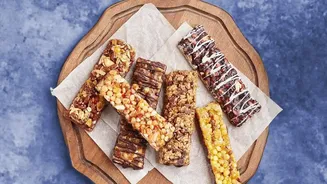
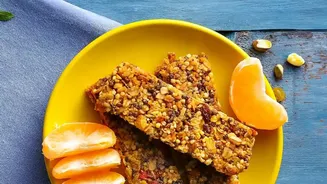
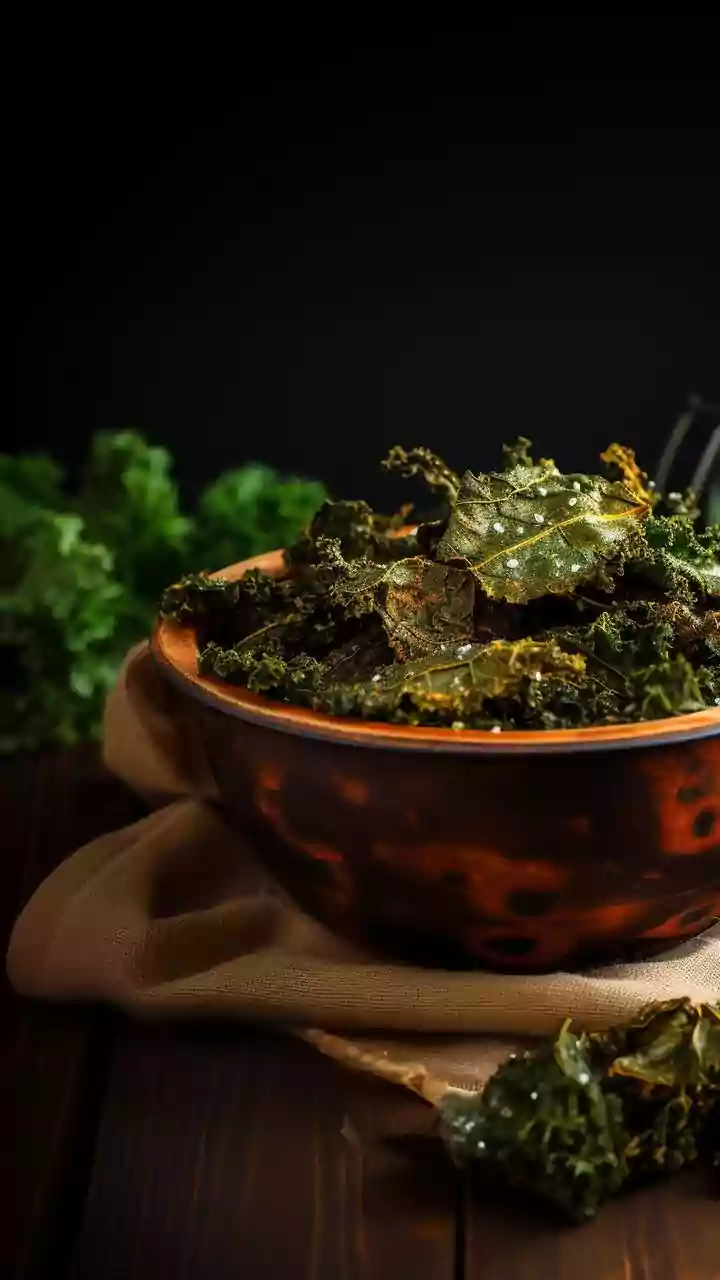
Enter the 'better-for-you' snack category, which is projected to grow substantially. This segment includes a diverse range of products designed to be both healthy and convenient. We're seeing millet-based chips and puffs replacing potato chips, baked and air-fried versions of traditional fried namkeens, and an explosion of protein bars and granola bars. Ancient grains like ragi, jowar, and bajra, long a part of India's culinary heritage, are being rediscovered and presented in modern, convenient formats. These products often boast 'clean labels,' meaning they are free from artificial preservatives, refined sugar, and unhealthy fats, appealing directly to the informed consumer.
Traditional Snacks Get a Modern Makeover
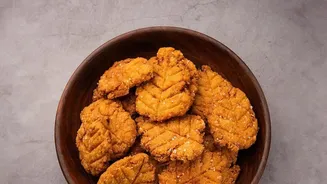
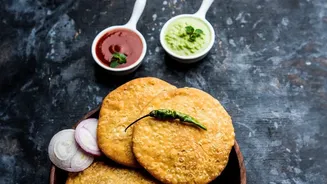
This trend isn't just about new products; it's also about reinventing the old. Legacy and new-age brands are innovating to make traditional Indian snacks healthier without compromising on their beloved, familiar tastes. Think of baked samosas, masala vadas made with less oil, and even classic sev and gathiya fried in healthier oils like avocado oil. Even besan-based snacks, which have always been naturally rich in protein, are now being marketed to highlight this benefit. This approach strikes a balance, preserving cultural flavours while upgrading the product for a more health-aware audience.
The D2C and Quick Commerce Disruption
The growth of healthy snacking is also powered by new business models. Direct-to-consumer (D2C) brands have emerged as major players, quickly responding to consumer demands for clean-label and innovative products—often faster than legacy FMCG giants. These brands, born online, are adept at telling their story and building communities around ingredient transparency. Furthermore, the boom in quick commerce platforms has made these snacks more accessible than ever. Snacks and beverages are a massive category on these 10-minute delivery apps, allowing for impulse buys and accelerating the adoption of healthier options.
So, Are Biscuits Disappearing?
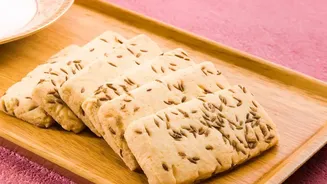
This brings us back to the original question. While the healthy snack market is growing rapidly, it's not a simple case of replacement. It's more of a diversification. The biscuit is not disappearing from the Indian tea-time tray, but it is now sharing that space with a host of new contenders. The healthy biscuits market itself is also seeing strong growth, with a push towards whole-grain, low-sugar, and high-fibre options. Consumers aren't abandoning biscuits entirely; they're expanding their snack repertoire. Price sensitivity remains a factor, as many healthier options come at a premium, which can limit their reach in semi-urban and rural areas. Legacy brands are also adapting, launching their own healthier biscuit lines to compete.