





The Real Story of Ageing Muscle
We often think of ageing as something that simply happens to us—a few more wrinkles, a bit less energy. But at a cellular level, it's a much more complex process. This is often referred to as 'molecular' or 'biological' ageing. Unlike your chronological
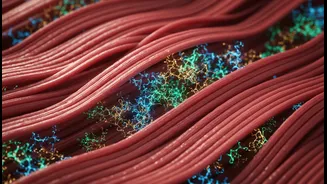
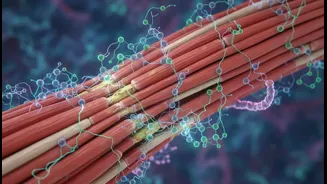
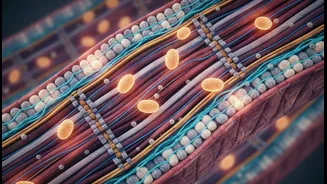
age, which is just a count of birthdays, your biological age reflects the health of your cells and tissues. Key indicators of this are what scientists call epigenetic clocks, which measure chemical changes to your DNA that influence how your genes work. As we get older, our muscles naturally begin to lose mass and strength, a process accelerated by declines in cellular repair mechanisms. Studies have shown that a key driver of this decline is an imbalance in protein production and a reduced ability for muscle cells to clear out damaged components and recycle them. Essentially, the cellular 'quality control' system becomes less efficient. This is the foundation of molecular ageing in our muscles.
The Power of Consistent Movement
This is where exercise, specifically consistent exercise, becomes a powerful intervention. It's considered by many experts to be the closest thing to an anti-ageing pill. Regular physical activity has been shown to slow down, and in some cases even reverse, epigenetic ageing. Think of it as turning back your body's biological clock. Consistent training, whether it's aerobic exercise like brisk walking or resistance training with weights, helps maintain this youthful state at a molecular level. It does this in several ways: by reducing chronic inflammation, which is a major driver of age-related disease; by preserving the length of telomeres, the protective caps on our chromosomes; and by improving the function of mitochondria, the powerhouses of our cells. Furthermore, long-term exercise activates protective genes that help muscle cells repair themselves, keeping them strong and resilient. The key is the regularity, which creates a cumulative effect, training your body to be more efficient at repair and maintenance over the long haul.
Why Short Challenges Can Fall Short
The fitness industry is filled with popular 6, 8, or 12-week challenges promising rapid transformations. While these can be great for a motivational kickstart, they often fail to deliver sustainable, long-term benefits for molecular ageing. The primary issue is their short-term focus. Habit formation takes time, often longer than the duration of the challenge itself, meaning many people revert to old habits once the structured program ends. This creates a yo-yo effect that doesn't allow for the deep, cellular adaptations that come from consistent effort. A sudden, dramatic increase in exercise can also lead to burnout or injury, shocking the system rather than coaxing it into a new, healthier state. These challenges often promote a 'one-size-fits-all' approach and focus on external results, neglecting the internal, biological changes that truly define healthy ageing. For fighting molecular ageing, the goal isn't a sprint to a finish line; it's developing a sustainable pace for life.
Building a Sustainable Habit
Shifting the focus from short-term intensity to long-term consistency is the first step. The goal is to build a routine that becomes an integral part of your life, not a temporary project. Start by finding activities you genuinely enjoy. You are far more likely to stick with something that doesn't feel like a chore. The recommendation for adults is typically 150 minutes of moderate-intensity aerobic activity and two days of muscle-strengthening activity per week. This doesn't have to happen all at once. If you've been sedentary, start slowly. Even short walks or simple chair exercises can be a foundation. The aim is to gradually increase the duration and intensity as your body adapts. Consistency doesn't mean perfection; it means not letting a missed day turn into a missed week. It's about playing the long game, where the reward isn't just looking better for a season, but functioning better for a lifetime, with healthier, more resilient muscles at every age.