








What Exactly Is Provenance?
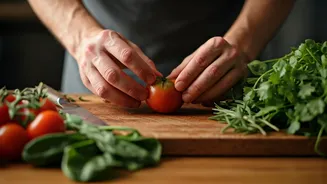
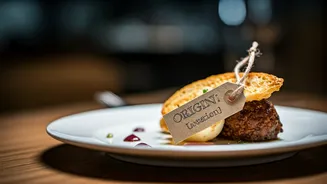
In the dining world, 'provenance' refers to the origin of your food—where it came from and how it got to your plate. It’s a concept that goes far beyond simply being 'local'. It encompasses the entire journey of an ingredient: where it was grown or raised,
who the farmer or producer was, and the methods they used. This focus on a transparent supply chain provides a backstory for your meal. Diners are no longer just eating a fish; they're eating a barramundi sustainably caught by a specific fishing collective. This shift answers a growing curiosity among consumers who want to feel more connected to their food and assured of its quality and ethical journey.
The Appeal of a Story on a Plate
Why has this become such a powerful hook? Because a good story enhances the entire dining experience. Knowing the origin of ingredients builds a sense of trust and authenticity. In an age of mass production, provenance offers a connection to something real and tangible. It taps into a desire for transparency, especially regarding sustainability, animal welfare, and supporting local economies. For many diners, a meal becomes more memorable and valuable when they know the carrots were sourced from a nearby organic farm or that the cheese is from a small, family-run creamery. This emotional connection is what transforms a simple dinner into a rich narrative experience, with some studies showing consumers believe food with a story is tastier.
From Hyperlocal to Heritage in India
This trend is gaining significant traction in India, where the farm-to-table concept saw a 60% increase in 2023. Restaurants are championing this movement in diverse ways. In Mumbai, Masque is renowned for its ingredient-driven tasting menus, sourcing from local farmers and foraging trips. The Table, another Mumbai pioneer, gets produce from its own farm in Alibaug. In Delhi, Elina Vara was founded out of a desire for organic, unadulterated food, using crops cultivated on its own farm. This movement also celebrates heritage. Kappa Chakka Kandhari in Chennai and Bengaluru, for example, focuses on Kerala’s micro-cuisines by sourcing ingredients hyper-locally from their native regions to ensure authenticity, like the Chengalikodan nendran banana from Thrissur. This approach doesn't just promise freshness; it preserves culinary traditions and supports local agricultural ecosystems.
Challenges Behind the Curtain
Despite its appeal, a focus on provenance is not without its hurdles. For restaurants, a major challenge is supply variability. Local, small-scale farms are subject to weather and seasonal changes, which can lead to inconsistent product availability. This requires chefs to be highly creative and flexible, often changing menus multiple times within a season. Cost can also be a factor, as small-batch, high-quality ingredients may be more expensive than those from large distributors. Restaurants must then communicate this value to customers, who might be surprised that their favourite tomato dish is unavailable in the off-season. For the diner, the challenge is discerning genuine commitment from clever marketing, as 'provenance-washing' can sometimes be used to justify higher prices without true substance.
The Future on Your Plate
Provenance is set to become even more ingrained in our dining culture. Technology will play a bigger role, with diners using QR codes on menus to access detailed information about a product's journey from farm to table. This push for 'transparent dining' aligns with a broader consumer shift toward health-conscious and ethical choices. As restaurants continue to innovate, expect to see even more detailed stories, celebrating not just the place but also the people and practices behind your food. This isn't just about knowing where your food comes from; it's about understanding and appreciating the full value of what’s on your plate.