






The Annual Problem of Toxic Air
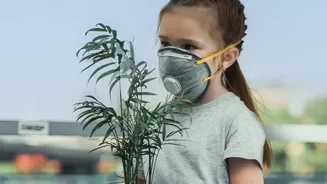
Each year, as winter approaches, Delhi and the National Capital Region (NCR) face a severe public health emergency in the form of toxic air. This November is no different. With the Air Quality Index (AQI) frequently reaching 'Severe' levels, authorities
have once again implemented the Graded Response Action Plan (GRAP). This has led to advisories for citizens to remain indoors and, crucially, a shift to online or hybrid classes for younger students to protect them from the harmful effects of pollution. While these steps are necessary to safeguard vulnerable lungs from particulate matter like PM2.5, they create a secondary problem that plays out within the four walls of home.
The Confinement and Isolation Trap
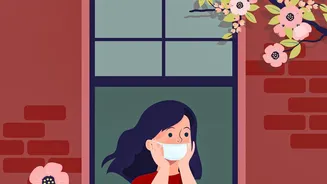
For children, being forced indoors is more than just an inconvenience; it's a disruption of their fundamental developmental needs. Outdoor play is not simply a leisure activity. It is essential for physical health, sensory development, and learning to navigate social situations. The sudden loss of park visits, sports, and casual play with friends creates a void. This restriction can be particularly distressing for children who may not fully grasp why their world has suddenly shrunk. Experts note that this lack of physical activity, combined with reduced exposure to sunlight and fresh air, can directly impact mood and energy levels, laying the groundwork for emotional distress.
When Screens Become the Only Window
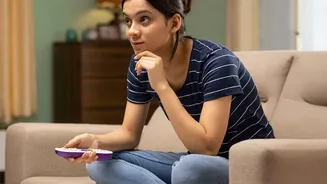
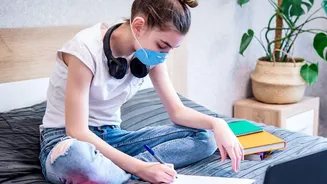
Online classes have become the default solution for educational continuity, but they come at a cost. The increased screen time is a major concern for child development experts. Research has consistently shown a link between excessive screen exposure and mental health challenges in children, including heightened anxiety and depression. Screens can overstimulate a child's developing nervous system and disrupt sleep patterns, both of which are key contributors to anxiety. Furthermore, virtual interactions, while better than nothing, lack the nuance and depth of face-to-face contact, potentially leading to feelings of social isolation and a dependency on devices for coping with boredom or unease.
The Signs of Anxiety in Children
Anxiety in children doesn't always look like overt worry. Parents should be aware of a range of symptoms, which can be both emotional and physical. Common signs include increased irritability, sudden emotional outbursts or tantrums, and difficulty concentrating. Many children internalise their stress, leading to physical complaints like frequent stomach aches, headaches, or fatigue. Changes in daily patterns are another red flag. This can manifest as trouble falling asleep, frequent nightmares, or significant shifts in appetite. Some children may become more withdrawn and avoid activities they once enjoyed, while others might become excessively clingy or seek constant reassurance.
How Parents Can Help Mitigate the Effects
While parents can't control the air quality, they can actively shape their child's indoor environment to be more supportive. Establishing a clear and predictable daily routine is crucial; it provides a sense of stability when the outside world feels chaotic. This schedule should build in dedicated screen-free time for family activities like board games, reading together, or cooking. Encouraging indoor physical activity is also vital, whether it's through dancing, yoga, or creating simple obstacle courses. Most importantly, maintaining open lines of communication is key. Encourage children to talk about their feelings without judgment and validate their frustrations about being stuck inside. Reminding them that this situation is temporary can provide a sense of hope and resilience.