



The Shravan Diet Philosophy
Shravan, which in 2026 falls from late July to late August for most of North India, is a period of devotion often marked by fasting or specific dietary choices. The focus is on 'sattvic' foods—those that are pure, light, and easy to digest. According
to Ayurveda, the monsoon season, or 'Varsha Ritu', naturally weakens our digestive fire ('agni'). A sattvic diet, which traditionally avoids onion, garlic, meat, and heavy spices, helps reduce the digestive load, prevents bloating, and promotes mental clarity. Eating seasonally available produce is a cornerstone of this practice, as these foods are at their nutritional peak and perfectly suited to the body's needs during this time.
Bottle Gourd (Lauki)
Lauki is a quintessential monsoon vegetable and a staple in Shravan kitchens. Composed of over 90% water, it is incredibly hydrating and cooling for the system. It's also very light on the stomach and easy to digest, making it an ideal food for fasting days. Rich in dietary fibre, Vitamin C, and other essential minerals, lauki helps maintain energy levels without feeling heavy. It can be prepared simply as a light sabzi using sendha namak (rock salt) and cumin, or turned into a comforting soup. Its subtle flavour makes it a versatile ingredient that absorbs the mild spices allowed during the fast.
Gourds Galore: Ridge, Pointed, and Snake Gourd
The monsoon brings a variety of gourds, each offering unique textures and benefits. Ridge gourd (turai), pointed gourd (parwal), and snake gourd (chichinda) are all excellent choices for Shravan. These vegetables are low in calories but high in fibre and essential nutrients. Ridge gourd is known for its cooling properties, while pointed gourd is praised for its vitamin-rich profile that is good for digestion. Like lauki, they are sattvic in nature and can be cooked into simple, nourishing dishes that align with fasting principles. A simple stir-fry or curry with minimal spices allows their natural, mild sweetness to shine through.
Potatoes and Yams (Aloo and Suran)
Potatoes and yams are classic comfort foods that are permitted during Shravan fasts and provide a great source of carbohydrates for energy. Whether it's the regular potato, sweet potato (shakarkandi), or elephant foot yam (suran), these root vegetables are filling and versatile. They can be boiled and tossed with cumin and green chillies, mashed for tikkis made with vrat-friendly flour, or cooked into a simple curry to be eaten with kuttu ki puri (buckwheat flatbread). While they are more calorie-dense than gourds, they provide sustained energy, which is particularly helpful on days when you are observing a strict fast.
Seasonal Fruits: Pears, Plums, and Peaches
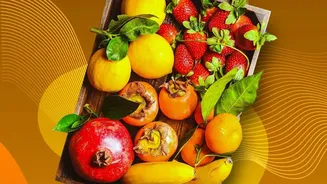
Fruits are a cornerstone of any Shravan diet, providing natural sugars for instant energy, along with vital vitamins and fibre. While bananas and apples are available year-round, the monsoon season brings its own special treats. Pears (nashpati), plums (aloo bukhara), and peaches (aadu) are at their juiciest and most flavorful during this time. Pears are particularly high in fibre and Vitamin C, which helps boost immunity during a season known for colds and infections. These fruits can be eaten on their own as a snack, added to a fruit chaat (using rock salt), or blended into a smoothie with yogurt to make a fulfilling and hydrating meal.
Corn (Bhutta)
The sight and smell of roasted corn on the cob is synonymous with the Indian monsoon. Corn is not only delicious but also a permissible and nutritious food for the Shravan season. It is a good source of fibre and complex carbohydrates, offering a slow release of energy. While street-side bhutta often comes with spices and lemon juice that may not be vrat-compliant, you can easily prepare it at home. Simply roast the corn over an open flame or boil it until tender. Eaten plain or with a light sprinkle of sendha namak, it makes for a satisfying and wholesome snack that captures the essence of the season.