
Everyone knows the classic Japan trip: the electric energy of Tokyo, the timeless temples of Kyoto, the delicious street food of Osaka. But for travellers willing to step just beyond this 'Golden Route', a deeper, more diverse Japan awaits.
Naoshima: The Art Island
Imagine an
entire island transformed into a contemporary art museum. That's Naoshima, a small island in the Seto Inland Sea that has become a world-renowned destination for art lovers. Once a declining industrial hub, it was reimagined through the Benesse Art Site project, which invited famous architects and artists to create works that blend with the natural landscape. Here, you can find museums designed by the master architect Tadao Ando, like the Chichu Art Museum, which is built mostly underground to preserve the scenery. The island is dotted with outdoor sculptures, most famously Yayoi Kusama’s iconic 'Pumpkin'. Beyond the major museums, the Art House Project has converted empty houses in residential areas into permanent art installations, embedding creativity into the fabric of the community. It's an essential stop for anyone interested in art, architecture, and seeing a unique example of regional revitalisation.
Koyasan: The Spiritual Mountain
For a truly immersive cultural experience, consider an overnight stay at a Buddhist temple on Mount Koya, or Koyasan. This secluded temple town is the heart of Shingon Buddhism and a UNESCO World Heritage site. The journey itself, involving a train, a steep cable car, and a bus, feels like a pilgrimage. Around 50 temples on the mountain offer 'shukubo', or temple lodgings, to visitors. This isn't a typical hotel stay; you sleep in a simple tatami room, eat 'shojin ryori' (traditional vegetarian Buddhist cuisine), and are invited to join the monks for their morning prayer service and meditation sessions. One of the most magical experiences is a night tour of Okunoin Cemetery, Japan's largest cemetery, where a 2-kilometre path is lit by stone lanterns, leading to the mausoleum of Kobo Daishi, the founder of Shingon Buddhism. It’s a peaceful, spiritual, and deeply memorable escape from the bustle of the cities.
The Kiso Valley: A Walk Through Time
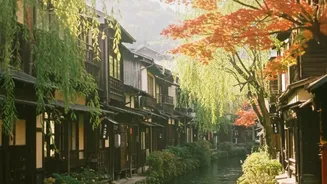
Step back into the Edo period by walking a portion of the Nakasendo Trail, one of the ancient highways that connected Kyoto and Edo (modern-day Tokyo). The trail winds through the scenic Kiso Valley, and some of its sections and 'post towns' (where travellers once rested) have been beautifully preserved. The most popular hike is the 8-kilometre stretch between the towns of Magome and Tsumago. This walk takes you through forests, past waterfalls, and alongside charming farmhouses on a well-maintained path that is suitable for most fitness levels. The towns themselves, with their dark wood buildings, traditional inns, and absence of modern power lines, feel like a living museum. It offers a tangible connection to Japan's feudal past and a refreshing dose of nature.
Yakushima: The Enchanted Forest
A subtropical island off the southern coast of Kyushu, Yakushima is a nature lover's paradise and a designated UNESCO World Natural Heritage site. It's famous for its ancient cedar trees, known as 'Yakusugi', some of which are over 1,000 years old. The island's lush, moss-covered forests were a direct inspiration for the Studio Ghibli film 'Princess Mononoke'. Hiking is the main activity here, with trails to suit all levels. The Shiratani Unsuikyo Ravine offers several well-maintained paths that wind through the mystical, green landscape. Beyond the forests, the island boasts dramatic waterfalls like the 88-metre Ohko-no-taki, abundant wildlife including deer and monkeys, and coastal hot springs. For those seeking raw, powerful nature, Yakushima is an unforgettable destination.
Shikoku: The Pilgrim's Path
Shikoku, the smallest of Japan's four main islands, is often overlooked by international tourists but offers a wealth of rugged nature and deep-rooted culture. It is most famous for the 88 Temple Pilgrimage, a 1,200-kilometre circular route that follows in the footsteps of the monk Kobo Daishi. While completing the entire pilgrimage on foot takes months, many visitors tackle shorter sections by car, bus, or bicycle. The journey connects you to the island’s stunning coastline, mountainous interior, and the profound sense of history embedded in its temples. Even if you're not undertaking the pilgrimage, the island offers attractions like the dramatic Iya Valley with its vine bridges and the vibrant city of Takamatsu. A visit to Shikoku is a chance to see a side of Japan that remains profoundly traditional and connected to its natural environment.