



The Double Cleanse as Decluttering
In J-Beauty, the ‘double cleanse’ is a foundational ritual. It involves using an oil-based cleanser to remove makeup and impurities, followed by a water-based cleanser to purify the skin. This two-step process ensures a truly deep clean that prepares
the skin for everything that follows. In your home, this translates to a two-step approach to decluttering. The first ‘cleanse’ is tackling the visible surface clutter: mail on the counter, clothes on a chair, shoes by the door. This immediately creates a sense of space and calm. The second, deeper ‘cleanse’ is about what’s inside your drawers, cupboards, and closets. It’s a more intentional process of sorting, organising, and letting go of items that no longer serve a purpose. Just as a clean face is the perfect canvas for skincare, a decluttered space is the essential foundation for a Zen home.
Layering Essences Becomes Layering Textures
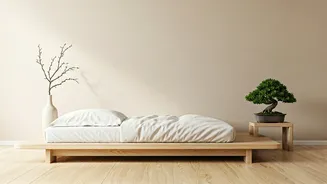
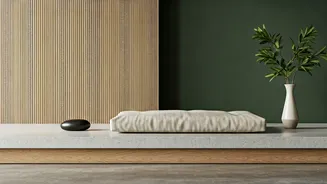
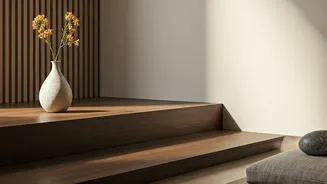
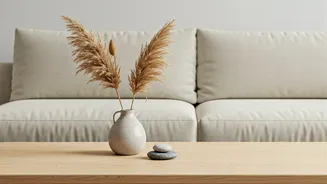
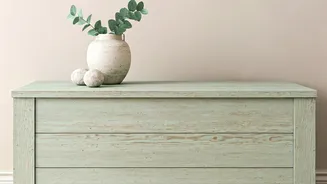
A hallmark of many J-Beauty routines is the art of layering. After cleansing, multiple lightweight, hydrating products like essences and serums are gently patted into the skin. This method builds deep, lasting hydration without feeling heavy. You can apply this same principle to your home by layering textures. Instead of a riot of clashing colours, a minimalist Zen aesthetic derives its richness from a thoughtful combination of materials. Think of a smooth, cool marble tabletop paired with a rough-hewn ceramic vase. Imagine soft, crinkled linen bedding on a simple wooden bed frame, with a chunky knit throw draped over the corner. This interplay of textures—smooth, rough, soft, hard—adds visual interest and a tactile sense of comfort that feels luxurious and inviting, all while maintaining a simple, neutral colour palette.
Quality Ingredients Become Natural Materials
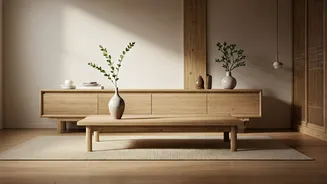
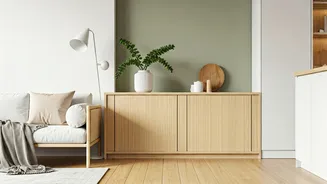
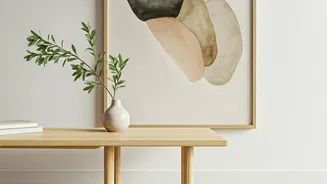
J-Beauty champions high-quality, often natural ingredients that are gentle and effective—think green tea, rice bran, and camellia oil. The philosophy is about choosing fewer, better things that truly nourish the skin. This directly translates to the materials you choose for your home. A Zen-inspired space prioritises natural, durable, and honest materials. Instead of plastic and synthetics, opt for light woods like bamboo, oak, or ash for furniture and flooring. Choose natural fibres like cotton, linen, and wool for textiles. Incorporate elements of stone, clay, and paper (like in a traditional shoji screen or a delicate lamp). These materials not only look beautiful but also connect the space to the natural world, fostering a sense of grounding and tranquillity that is central to the Zen philosophy.
The Ritual of Skincare as Daily Home Rituals
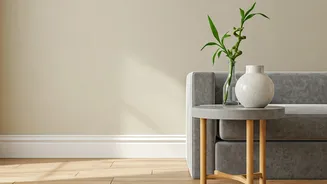
A J-Beauty routine is more than just applying products; it's a mindful ritual. It’s a moment of quiet self-care at the beginning and end of each day. This emphasis on ritual is perhaps the most powerful lesson for home styling. Creating a Zen home is less about how it looks and more about how you live within it. Cultivate small, intentional home rituals. This could be the simple act of lighting a stick of calming sandalwood incense each morning, the practice of mindfully brewing a pot of green tea in the afternoon, or arranging a single flower stem in a vase. These small acts transform your home from a mere dwelling into a personal sanctuary—a space that actively supports your well-being and encourages moments of peace in a busy life.
Wabi-Sabi: The Beauty of Imperfection
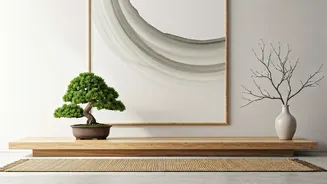
At the heart of Japanese aesthetics is the concept of wabi-sabi—finding beauty in imperfection, impermanence, and incompleteness. It's about appreciating the crack in a ceramic bowl, the weathered patina on a wooden table, or the asymmetry of a hand-thrown pot. This principle stands in direct contrast to the Western pursuit of flawless perfection. In your home, this means embracing items with character and history. Choose a handmade ceramic mug over a mass-produced one. Don’t be afraid of natural materials that age and change over time. This mindset releases you from the pressure of maintaining a perfect, magazine-ready home and instead invites a sense of warmth, authenticity, and soulful beauty into your space. It’s a celebration of life as it is, not as it ‘should’ be.