
A New Travel Mindset Emerges
The perception of the monsoon as a travel-unfriendly season is rapidly changing. Recent data shows a remarkable spike in interest for monsoon travel, with domestic vacation searches on platforms like Airbnb increasing by nearly 40% year-on-year. Experts
in the travel industry note that the monsoon is no longer considered an off-season but a celebrated prime season. This trend is largely driven by a desire for more authentic and immersive experiences, with travellers actively seeking destinations where the rain enhances the natural beauty. Younger travellers, in particular, are opting for several short trips, or 'micro-cations', throughout the year instead of one long holiday, and the monsoon provides a perfect opportunity for these quick, spontaneous breaks.
The Allure of Greener Landscapes and Fewer Crowds
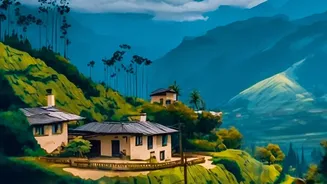
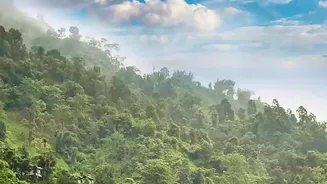
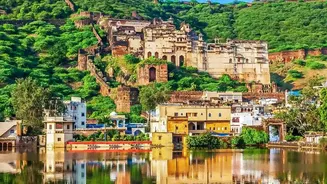
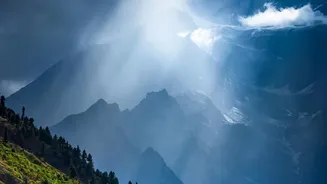
One of the biggest draws of monsoon travel is the dramatic transformation of the landscape. Regions that are dry and dusty for much of the year burst into vibrant shades of green, and waterfalls cascade with renewed power. Destinations across the Western Ghats, like Lonavala, Mahabaleshwar, and Coorg, become lush paradises, with mist-covered hills and overflowing lakes. This natural spectacle is complemented by a significant practical advantage: fewer tourists. Popular monuments and scenic viewpoints are far less crowded, allowing for a more peaceful and personal experience. This quieter atmosphere enables travellers to connect more deeply with the destination, whether it's enjoying a quiet cafe or having an empty walking trail all to oneself.
Significant Savings and Unique Experiences
Travelling during what was traditionally the low season brings substantial financial benefits. Many hotels and airlines offer significant discounts to attract visitors, making luxury stays more affordable. Beyond the savings, the monsoon unlocks unique activities. It is considered the best time for Ayurvedic treatments in places like Kerala, as the humid climate is believed to make the body more receptive to therapies. For food and nature lovers, it's a prime time to visit tea plantations in Munnar or Darjeeling, which are at their most vibrant. Even a destination like Goa, famous for its beaches, reveals a different side during the rains, with a focus on its lush green villages, overflowing waterfalls, and serene paddy fields.
Where Travellers Are Heading
While classic hill stations remain popular, travel patterns show a growing interest in non-metro destinations. Searches for such locations have surged by over 40%, with travellers drawn to the slower pace of life and rich local culture. Popular destinations seeing a spike in interest include Coorg, known for its misty coffee estates; Udaipur, where the lakes are full and romantic; and Wayanad, which hosts a three-day monsoon festival. The mountains of Uttarakhand and Himachal Pradesh also see significant visitor numbers, while destinations in the northeast like Shillong and Cherrapunji showcase their famed rainfall in spectacular fashion. This diversification of destinations shows that travellers are not just tolerating the rain, but actively choosing locations where the monsoon is the main attraction.