



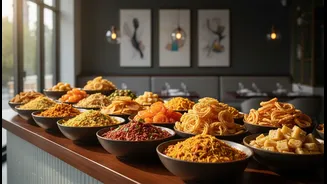


From Diaspora Craving to Global Ambition
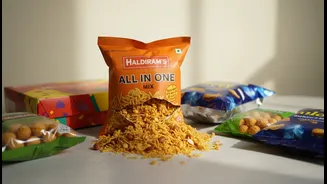
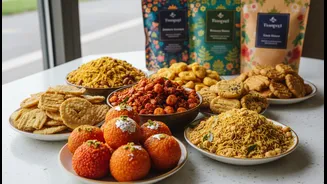
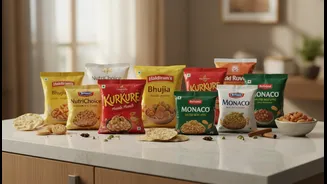
For decades, the primary market for Indian snack brands abroad was the diaspora—the millions of Indians overseas craving a taste of home. Companies like Haldiram's and Bikaji built their initial export businesses by catering to this specific, loyal customer
base. Their products filled the ethnic aisles of specialty grocery stores in cities with large Indian populations, offering the authentic, uncompromising flavours people missed. This diaspora demand created a solid foundation, proving the viability of an international market. Today, these brands export to dozens of countries, with Haldiram's alone reaching over 80 nations. However, the strategy is shifting from serving a niche to capturing the mainstream.
The Leap into Mainstream Supermarkets
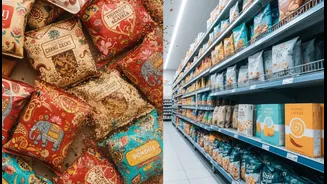
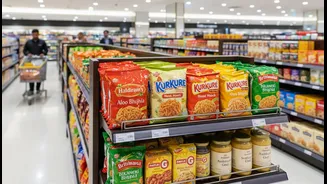
The new frontier for these brands is the general consumer. The goal is to move from the 'international foods' section into the main snack aisle, sitting alongside global giants. This transition is already underway. In Australia, for instance, one distributor has been successfully moving brands like Haldiram's from ethnic stores into mainstream retail, with products like samosas and naans becoming everyday items. This success has created a model for expansion into other markets, including Europe. Similarly, Bikaji products are now found in major retail chains like Walmart. This move reflects a broader trend of growing mainstream interest in ethnic and ready-to-eat foods. This shift is backed by serious investment, such as Bikaji's recent $2.9 million infusion into its US subsidiary to establish local manufacturing and strengthen its supply chain.
The Fine Art of Local Adaptation
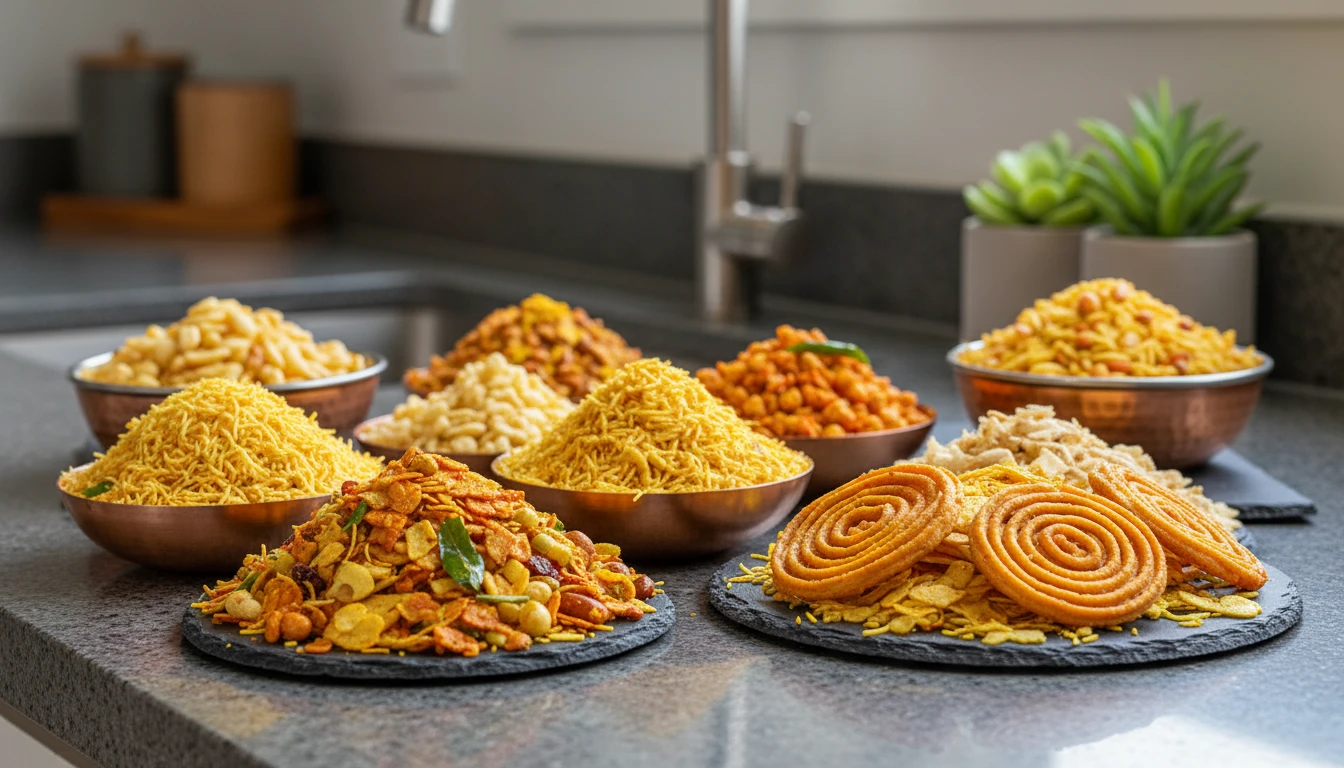
Winning over a global audience requires more than just placing products on new shelves; it demands adaptation. While the diaspora market thrives on authenticity, new consumers may have different palates. Companies are learning to strike a delicate balance. This can involve creating product lines with reduced spice levels, introducing new fusion flavours, or developing packaging that appeals to local aesthetics. For example, a brand might launch a cheese-flavoured murukku or a less fiery version of a popular namkeen. This strategy of fusing Indian products with foreign characteristics is crucial for growth. The aim is to make Indian flavours accessible and appealing without losing the core identity that makes them unique.
Navigating Global Challenges
The path to global dominance is not without its hurdles. One of the most significant challenges is navigating complex and stringent international food safety regulations. Indian exporters frequently face scrutiny over issues like pesticide residues and microbiological contaminants, with hundreds of products being flagged or rejected by bodies like the European Union. Adhering to different standards in every country requires robust quality control and transparent supply chains, which can be difficult to maintain. Beyond compliance, there is intense competition from established local and international snack companies that have massive marketing budgets and deep-rooted distribution networks. Building brand trust among foreign consumers who may not be familiar with Indian brands is a slow and expensive process.
The Ripple Effect on the Indian Market
The global push is creating waves back home. The success of legacy brands is inspiring a new generation of entrepreneurs and food businesses in India. They see a proven path to international markets and are increasingly thinking globally from day one. This trend is accelerating innovation within the domestic market as well. As companies experiment with flavours, packaging, and health-focused products for international consumers, many of these innovations find their way back to Indian shelves. The result is a more dynamic and competitive snack market in India, with a greater variety of products catering to evolving tastes, including a growing demand for healthier, clean-label options.