



The Gentle Art of Steaming
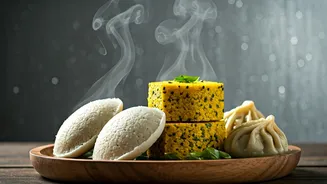
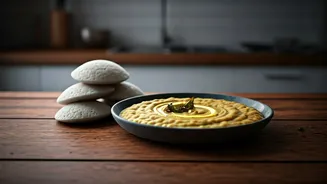
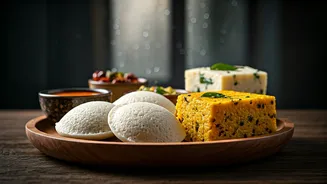
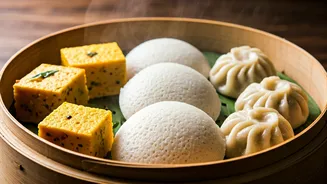
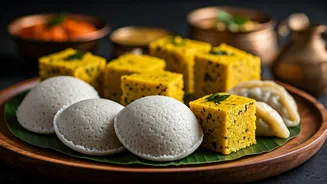
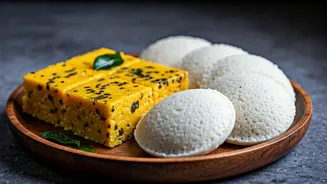
For generations, kitchens across India have harnessed the power of steam. From the soft, fluffy idlis of the south to the spongy, savoury dhoklas of the west, steaming has been a cornerstone of our culinary heritage. Unlike frying, which submerges food
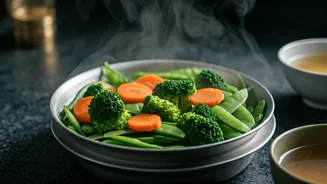
in hot oil, steaming cooks food gently with hot vapour. This method does more than just cook; it preserves. It locks in the food's natural moisture, flavour, and, most importantly, its nutrients. Vitamins like B and C, which are often lost with high-heat cooking, are better retained. This makes steamed food lighter on the stomach, easier to digest, and significantly lower in calories and fat—a trifecta of benefits that modern, health-conscious consumers are finding increasingly hard to ignore.
A Return to Our Roots
This renewed interest is not just about counting calories. It’s also about a deeper connection to our roots and a growing appreciation for regional cuisines. For many, these steamed dishes are the taste of home. They are the breakfast staple prepared by a grandmother or the special treat during a festival. Consider the simple perfection of Kerala’s puttu, a steamed cylinder of ground rice and coconut, or the delicate flavours of Bengal’s bhapa pitha, sweet rice cakes steamed in banana leaves. In a fast-paced world, these foods offer a sense of comfort and nostalgia. They represent a slower, more mindful way of eating that feels both authentic and nourishing. As we explore the vast diversity of India’s culinary landscape, we are rediscovering these gems that were always there, waiting for their moment to shine again.
From Street Food to Gourmet Menus
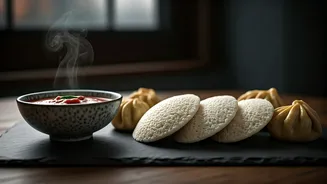
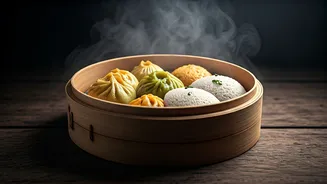
The resurgence is visible everywhere, from bustling street-side stalls to the menus of high-end restaurants. Momos, the beloved steamed dumplings from the Himalayan region, have long been a street food king. But now, they share the stage with a wider array of steamed marvels. In Gujarat and Maharashtra, patra—colocasia leaves layered with a spiced gram flour paste, rolled, steamed, and then sliced—is finding new fans. In Himachal Pradesh, siddu, a soft steamed bread stuffed with walnuts or poppy seeds, is being celebrated for its unique taste and texture. Chefs are not just reviving these dishes; they are reinventing them. We are seeing millet idlis, quinoa dhoklas, and momos filled with everything from paneer tikka to chocolate, proving that traditional techniques can be a canvas for modern creativity.
Why Now? The Perfect Storm
So, why is this happening now? It’s a perfect storm of factors. The post-pandemic era has accelerated a global shift towards wellness and immunity-boosting foods. People are more educated about what they eat and are actively seeking healthier alternatives. The rise of food-focused social media has also played a crucial role, allowing home cooks and chefs to showcase regional specialties to a national audience. A beautifully plated dish of Khandvi or a perfectly steamed Paturi can go viral, sparking curiosity and demand. This digital word-of-mouth, combined with a genuine desire for wholesome food, has created the ideal environment for these traditional steamed bites to reclaim their rightful place in the Indian diet.